

Howdy!

Aircraft Maintenance Website Design: How MRO Companies Should Present Capabilities and RFQs

Sergiy Kravchuk

Sergiy Kravchuk

Sep 06, 2026
Share this article
Aircraft Maintenance Website Design: How MRO Companies Should Present Capabilities and RFQs
Aviation website strategy

Aircraft Maintenance Website Design for Clear Capabilities and Better RFQs

Aircraft maintenance website design should help aviation buyers confirm what an MRO can support before they contact sales. The site organizes capabilities, platform coverage, locations, approvals, and RFQ requirements into a clear path that also supports search visibility.
Capabilities Present maintenance, inspection, repair, avionics, interiors, structures, and specialty services clearly.
Coverage Show supported aircraft, engines, components, and locations when relevant.
RFQ Path Collect enough information to route an inquiry and start a sales conversation.
Search Visibility Create structured service pages for search, paid landing pages, and AI answers.
Aircraft Maintenance Website Design for Clear Capabilities and Better RFQs
Quick answer

What should an aircraft maintenance website do?

An effective MRO website should let visitors confirm whether the company supports a maintenance need, see where the work is available, and submit an RFQ with useful context. It should connect technical information with a simple conversion path and clear search signals.
01

Confirm fit

Show services, supported platforms, locations, and current approvals or credentials the company chooses to publish.
02

Reduce friction

Use useful RFQ fields, clear next steps, and routing by service, aircraft, component, or location when needed.
03

Build confidence

Support claims with specific capability language, facility information, and visible contacts.
04

Support discovery

Use crawlable service pages, descriptive headings, internal links, and technical SEO so search systems understand the offer.
MRO website architecture

Aircraft Maintenance Website Design Starts With Capability Structure

The central challenge in MRO website design is information architecture. Visitors may arrive with a specific aircraft, engine, inspection, repair, component, or AOG-related need, so the site must lead them to the right capability without requiring internal terminology. Good aircraft repair website design turns a complex service catalog into a clear buyer-focused hierarchy.
Explore Custom Website Development
The best structure depends on the MRO business model, facility network, service mix, and information the company is prepared to publish.
Aircraft Maintenance Website Design Starts With Capability Structure

Capabilities first

Build pages around services people actually evaluate, not one long capabilities list.

Aircraft and engine coverage

Create coverage pages when a platform has enough service depth to justify them.

Location context

Explain which facilities or mobile teams support each service and provide the correct contact path.

Approval context

Part 145 website design should present certification or approval information carefully and only from current company records.

RFQ readiness

Connect each high-intent service page to an inquiry path that preserves context.

Search reuse

A clear capability library can support SEO, paid landing pages, internal links, and sales outreach.
Selected work Selected work

Selected Web Fly Projects

Featured case

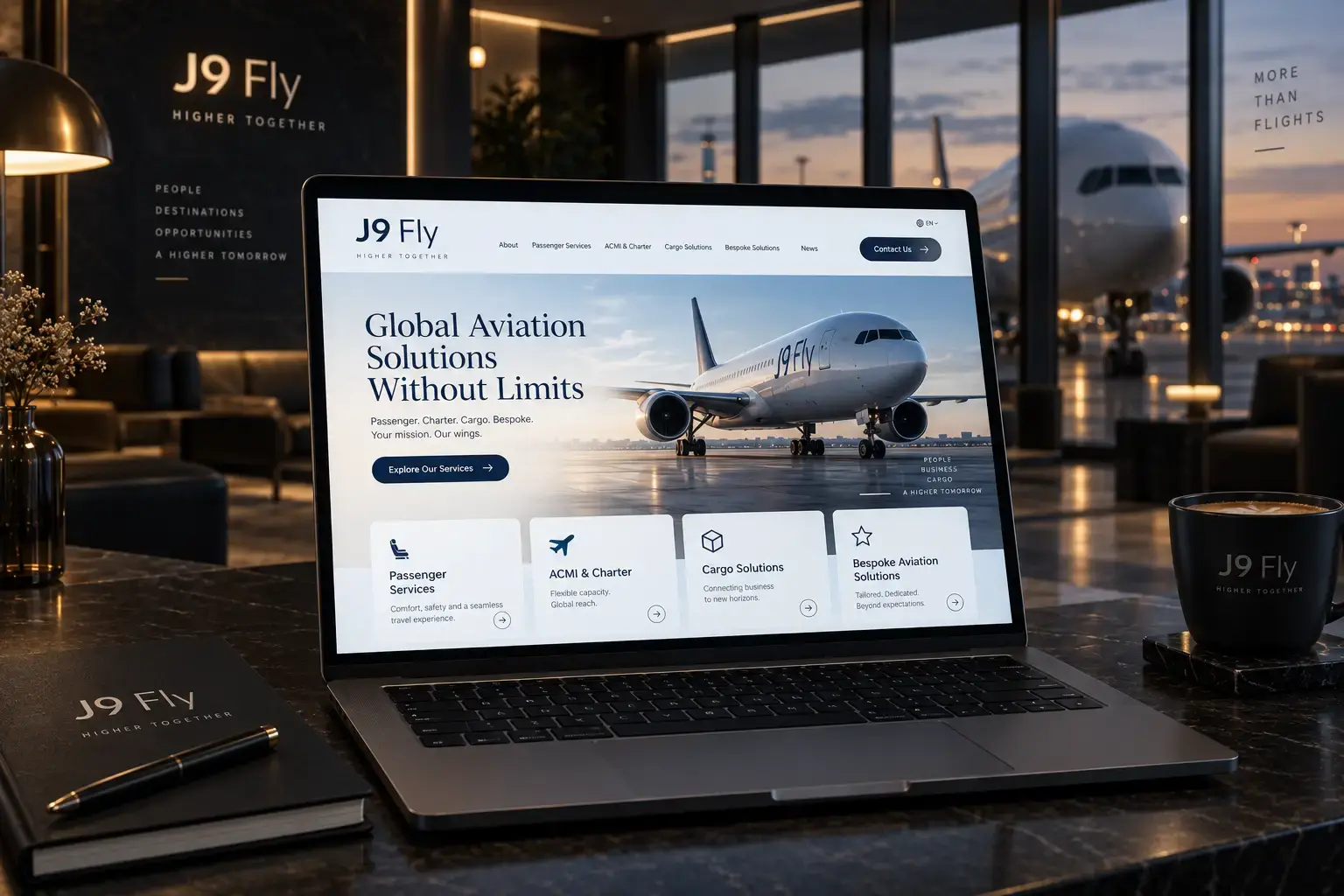
Aviation Website Design & Development for J9 Fly

Custom aviation website design and aviation website development for J9 Fly, built with Laravel Botble, bilingual content, responsive layouts, and editable CMS sections.

Core website requirements

Key Elements of Effective MRO Website Design

A high-performing maintenance website should answer vendor-selection questions, reduce capability uncertainty, and make RFQs easier for prospects and internal teams.
Content

Capability pages

Explain the service, relevant platform coverage, location context, and RFQ requirements.
  • Clear scope
  • Coverage details
  • Location context
  • Direct RFQ path
Conversion

Qualified RFQ forms

Use aircraft, service, location, timing, and scope fields only when they improve routing.
  • Service selector
  • Aircraft or component
  • Timing
  • Short scope
UX

Mobile usability

Capability lists, phone actions, and forms must remain readable and practical on phones and tablets.
  • Readable lists
  • Tap-friendly actions
  • Short forms
  • Fast pages
SEO

Search-friendly architecture

Publish meaningful services as crawlable pages instead of hiding key details in images or PDFs.
  • One main topic
  • Logical links
  • Descriptive headings
  • Indexable text
Trust

Verifiable trust

Use current facility details, relevant credentials, proof assets, and accurate contacts.
  • Specific language
  • Current facts
  • Visible contacts
  • Proof assets
Analytics

Conversion measurement

Track RFQ submissions, phone clicks, contact actions, and high-intent service engagement.
  • RFQ events
  • Phone clicks
  • Campaign tracking
  • Service-page review
Website checklist

Aircraft Maintenance Website Design Checklist

Before rebuilding an MRO site, review technical content and the conversion path. These checks expose gaps that make a capable provider harder to evaluate.
Architecture

Can visitors reach the right capability quickly?

Navigation should reflect how prospects search for maintenance support, not only the internal organization.
  • Primary capability categories
  • Aircraft or platform cross-links
  • Location context
  • No PDF-only core service
Content

Does each service page answer buying questions?

Explain scope, supported platforms when relevant, location, practical process context, and what to provide in an RFQ.
  • Clear definition
  • Coverage details
  • Next-step guidance
  • No unsupported promises
Technical SEO

Can search engines crawl the important pages?

Check indexability, canonical tags, metadata, internal links, sitemap inclusion, mobile rendering, and heading structure.
  • Indexable pages
  • Unique metadata
  • Clean URLs
  • Internal links
Conversion

Is every high-intent page connected to an action?

Place a relevant RFQ, contact, or consultation action where the buyer naturally needs the next step.
  • Relevant CTA
  • Short RFQ path
  • Phone access
  • Submission confirmation
Development process

How We Plan Aviation Maintenance Website Development

A strong MRO website is easier to build when content, UX, SEO, technical requirements, and lead routing are planned together.
01 Step
Discovery

Map the business and sales process

Identify core services, facilities, priority markets, sales contacts, and RFQ routing.
02 Step
Structure

Build the capability architecture

Decide which services need dedicated pages and how aircraft, engines, components, locations, and capabilities should connect.
03 Step
UX

Design high-intent templates

Balance technical detail with readable sections, proof assets, CTAs, and mobile usability.
04 Step
SEO

Develop content and SEO

Refine service copy, metadata, headings, internal links, image alt text, and search intent.
05 Step
Launch

Configure RFQs, QA, and tracking

Test forms, routing, analytics, mobile layouts, links, indexability, redirects, and launch behavior before promotion.
Common problems

What Helps an MRO Website Convert, and What Gets in the Way

Most maintenance website problems come from unclear service structure, missing decision information, weak RFQ paths, or hard-to-interpret pages.

What to do

Use specific capability language
Name the maintenance, repair, inspection, avionics, component, structural, interior, or specialty work buyers need to evaluate.
Connect services to supported platforms
Where relevant, link capabilities to aircraft, engines, components, and locations in both directions.
Create contextual RFQ paths
Let prospects move from a service page directly into an inquiry flow that preserves what they were viewing.
Publish current trust information
Keep contacts, facility details, team information, and any published approvals accurate and visible.

What to avoid

One giant capabilities page
A long list of unrelated services is difficult to scan, optimize, and connect to a focused CTA.
Generic aviation language
Broad claims do not tell a buyer whether the MRO can support the actual maintenance requirement.
PDF-only technical content
Core capability details hidden only in files are harder to discover, update, link, and reuse.
Unverified regulatory claims
Do not publish certification scopes or operational claims without current company support.
Practical page examples

Five High-Value Pages for an Aircraft Repair Website

The exact page set varies, but these examples show how an MRO can turn a broad capability list into pages with clearer search intent and RFQ context.
1
Scheduled maintenance page Explain scope, supported aircraft when applicable, facility context, planning considerations, and the RFQ path.
2
Aircraft or platform support page Consolidate multiple services for a meaningful aircraft family and link to each relevant capability.
3
Engine or component service page Describe supported work, evaluation details, and the correct quote route without overstating capability.
4
AOG or mobile support page If offered, make coverage context, contact options, and required inquiry details easy to find on mobile.
5
Facility or RFQ landing page Use a location page for facility-specific capabilities or a focused RFQ page, depending on buyer intent.
Website help options

Choose the Right Next Step for Your MRO Website

The right service depends on whether the main issue is website structure, technical visibility, service content, or the platform.
Option
Timeline
Estimate
Action
Custom website development
For a new website, major redesign, capability architecture, CMS implementation, or RFQ workflow.
Based on scope
Custom quote
Technical SEO review
For indexing, crawlability, metadata, internal linking, performance, migration, or technical visibility issues.
After review
Project-based estimate
Organic SEO and content
For stronger capability pages, search-focused content, internal linking, and ongoing optimization.
Monthly or project format
After consultation
Search and AI visibility

How MRO Website Content Can Be Easier for AI Systems to Understand

AI Visibility does not replace technical SEO or helpful content. It depends on clear, crawlable information that connects the company, services, platforms, locations, and expertise.

Define capabilities clearly

Use direct language that explains what the service is, who it is for, and any relevant coverage context.

Connect related entities

Link aircraft, engine, component, location, and service pages where the relationship is real.

Answer buying questions

Include practical answers about supported work, location, RFQ requirements, process, and next steps.

Keep important facts in HTML

Do not rely only on images, brochures, or PDFs for information you want search systems to understand.

Strengthen technical consistency

Use clean canonical URLs, headings, metadata, sitemaps, mobile rendering, and accurate structured data.
Frequently asked questions

Aircraft Maintenance Website Design FAQ

These questions cover practical issues MRO companies face when planning a redesign, capability pages, RFQ forms, SEO, or aviation maintenance website development.
What should an aircraft maintenance website include?
It should include clear capability pages, supported aircraft or component information when relevant, location details, current contact information, trust elements, and a direct RFQ path. The exact structure depends on the MRO's services, facilities, sales process, and information it chooses to publish.
How should an MRO website present capabilities?
Organize capabilities around distinct services that buyers can understand and search for, then connect them to relevant aircraft, engines, components, and locations. Avoid placing every service on one long page or relying only on downloadable lists.
What information should an aircraft maintenance RFQ form collect?
Collect information that helps route the request, such as contact details, service need, aircraft or component context, location, timing, and a short scope. Add more fields only when they improve qualification enough to justify the friction.
Does a Part 145 website need a special design?
Part 145 website design does not require a special visual style, but certification and approval information should be handled carefully. Publish only current, company-supported information and keep regulatory facts separate from promotional wording.
Can SEO help an MRO company generate more qualified inquiries?
SEO can improve discovery when the site has meaningful service pages, strong technical foundations, useful content, and clear internal links. Results depend on competition, website condition, search demand, location, authority, and execution, so rankings or lead volume are not guaranteed.
Should an MRO build separate landing pages for Google Ads?
Often yes when campaigns target a specific capability, aircraft segment, location, or buyer need that deserves a focused message and RFQ path. The landing page should match ad intent, load quickly, and track conversions.
Plan an Aircraft Maintenance Website Around Real Buyer Decisions
What to do next

Plan an Aircraft Maintenance Website Around Real Buyer Decisions

If your MRO website makes capabilities difficult to verify, sends visitors to a generic contact page, or poorly supports search and paid campaigns, start with a structured review. Web Fly can map the service architecture, improve technical SEO, build RFQ flows, and develop a conversion-focused website for aviation buyers.

Contact Web Fly

Website review

Identify gaps in capability structure, mobile UX, content, internal linking, RFQ flow, and technical SEO.

Custom development

Create a scalable CMS structure for services, platform pages, facilities, content, and landing pages.

SEO and conversion

Connect organic visibility, Google Ads-ready pages, analytics, and clear inquiry paths.