What does aviation website design include?
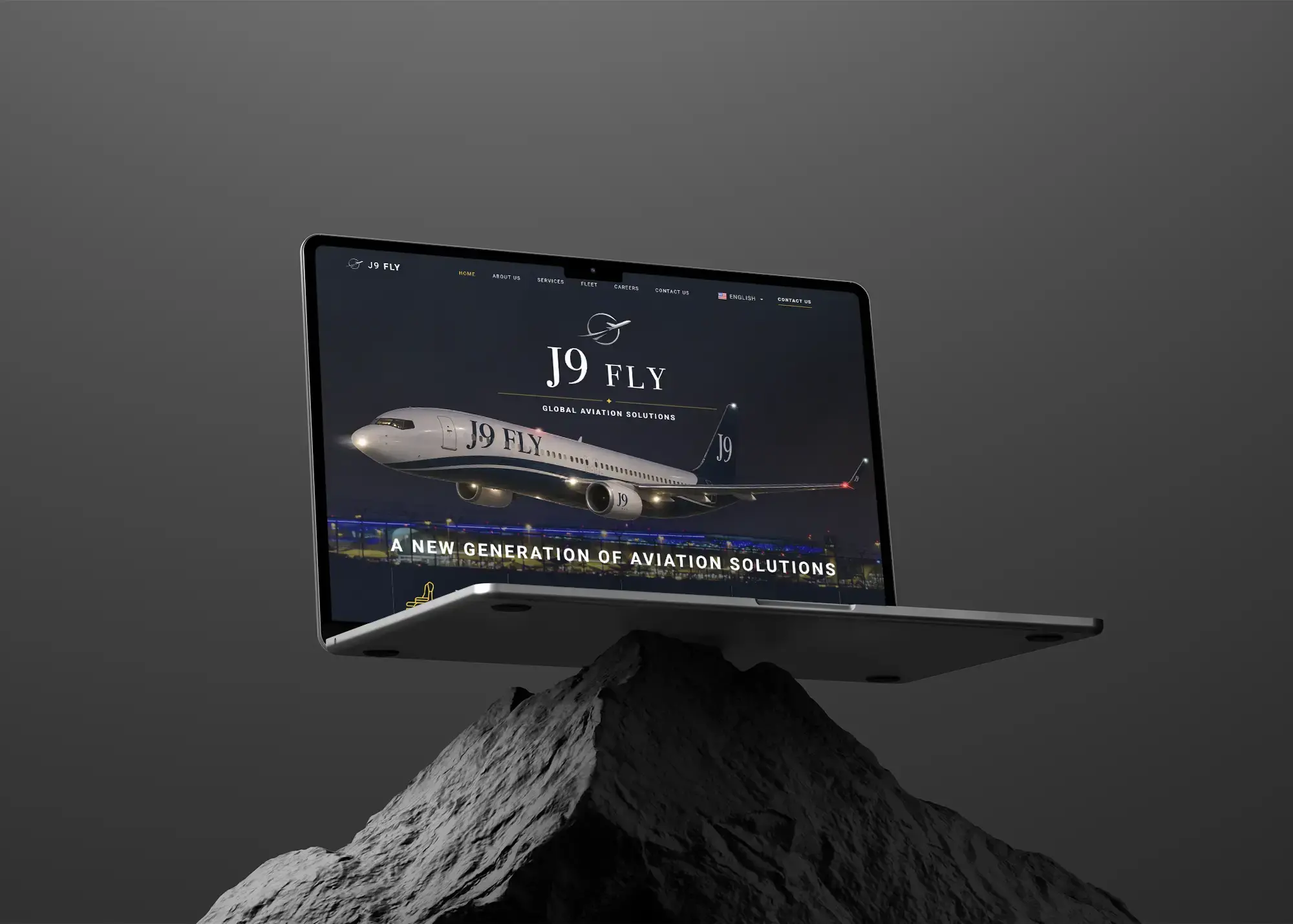
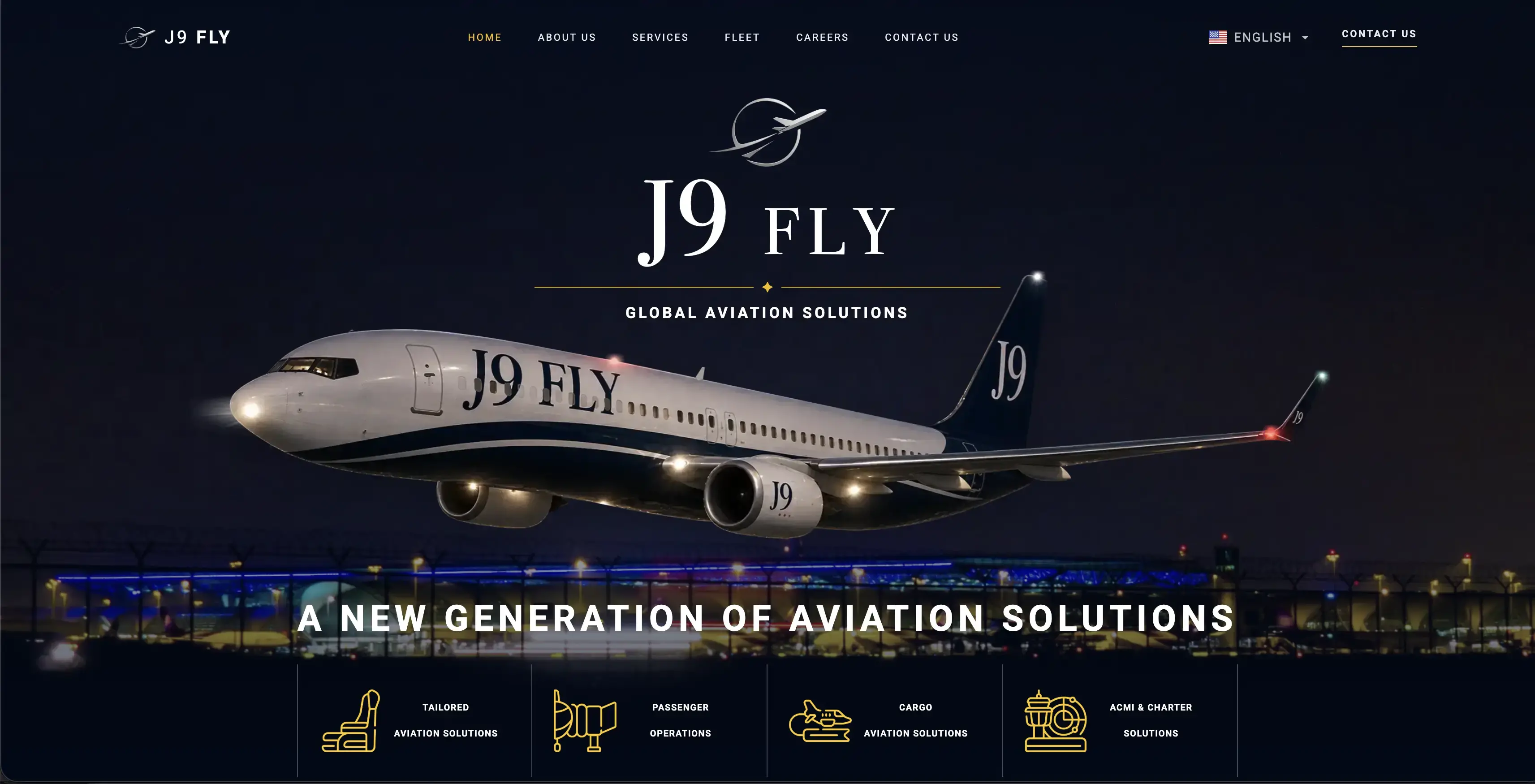
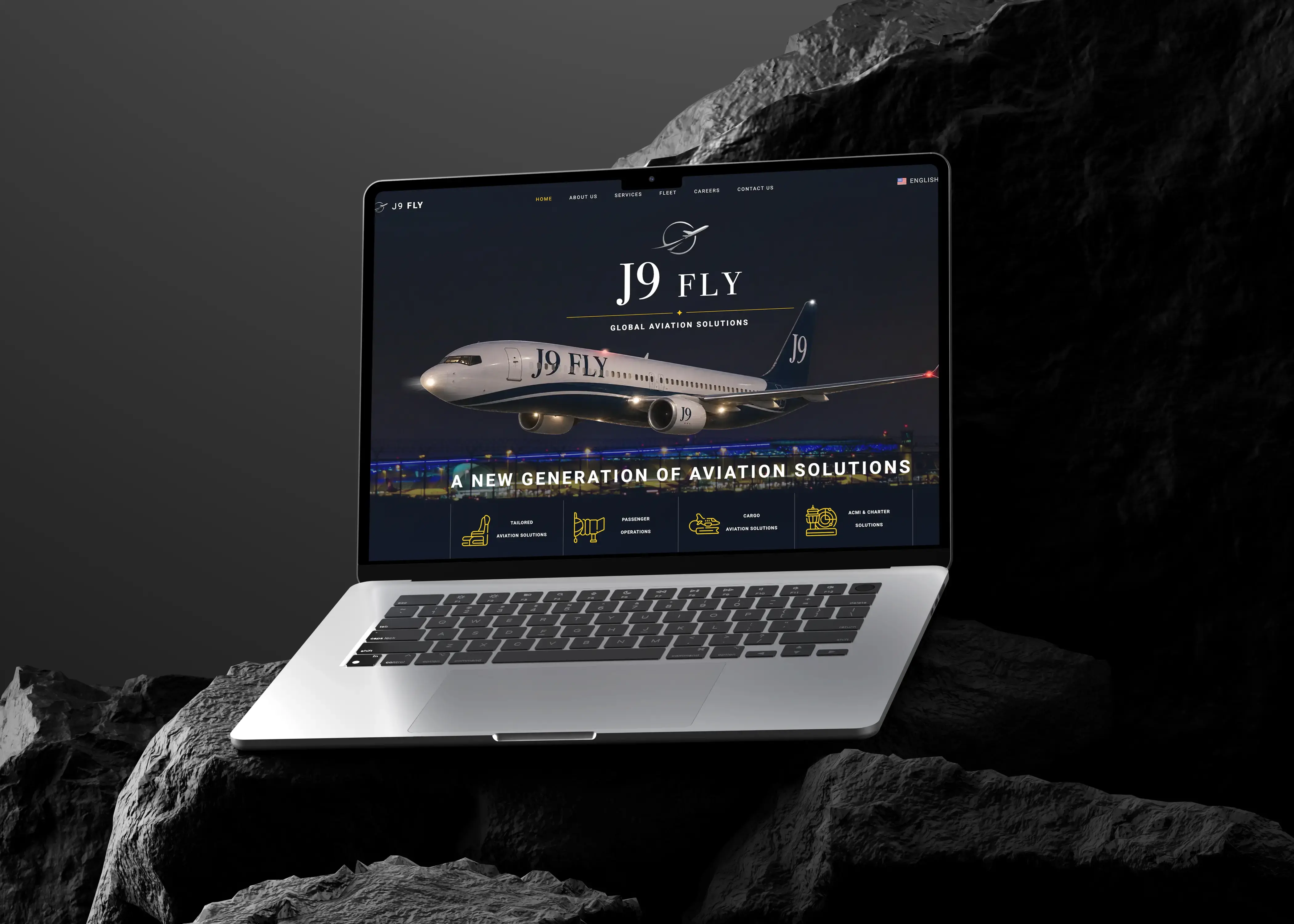
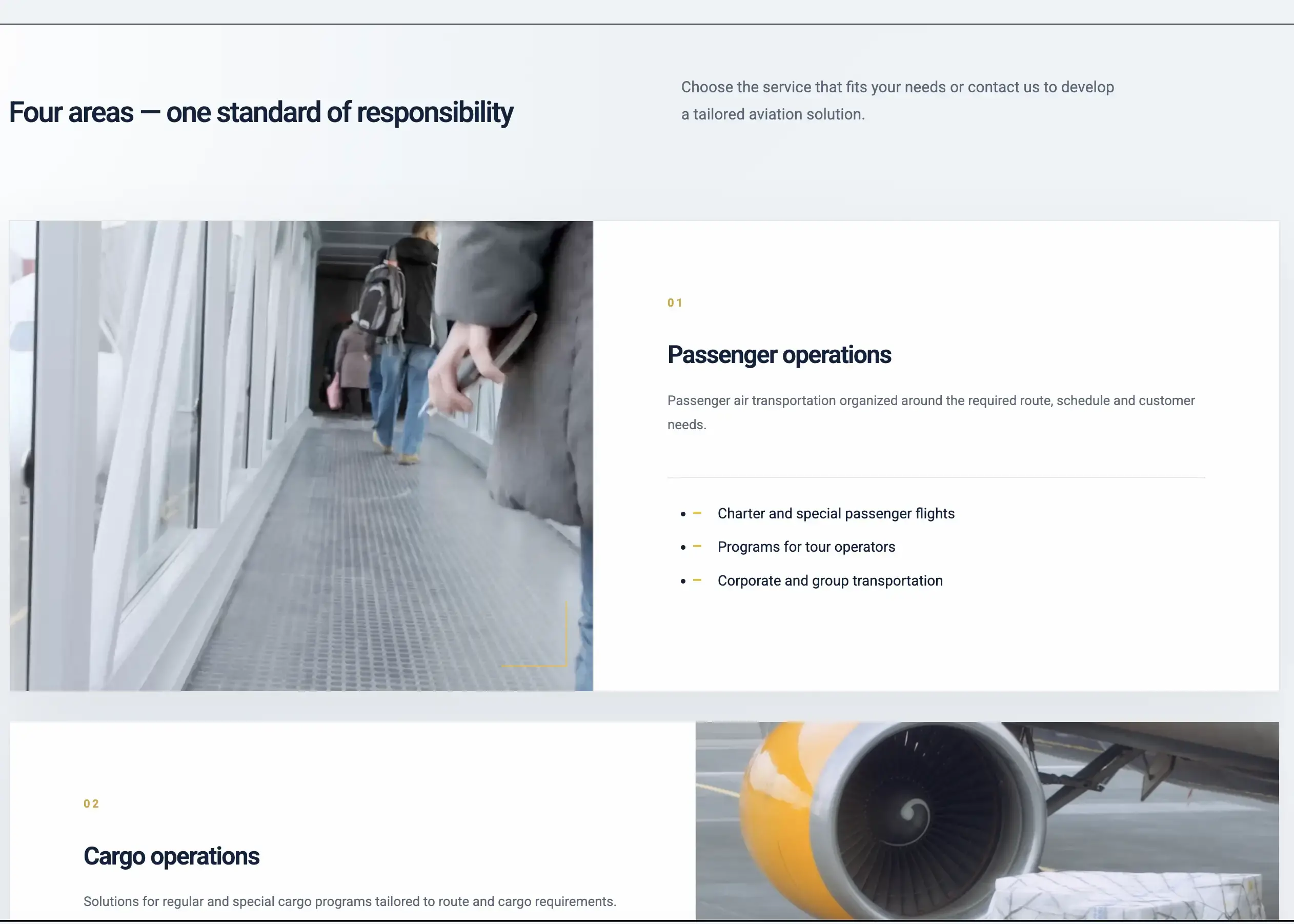
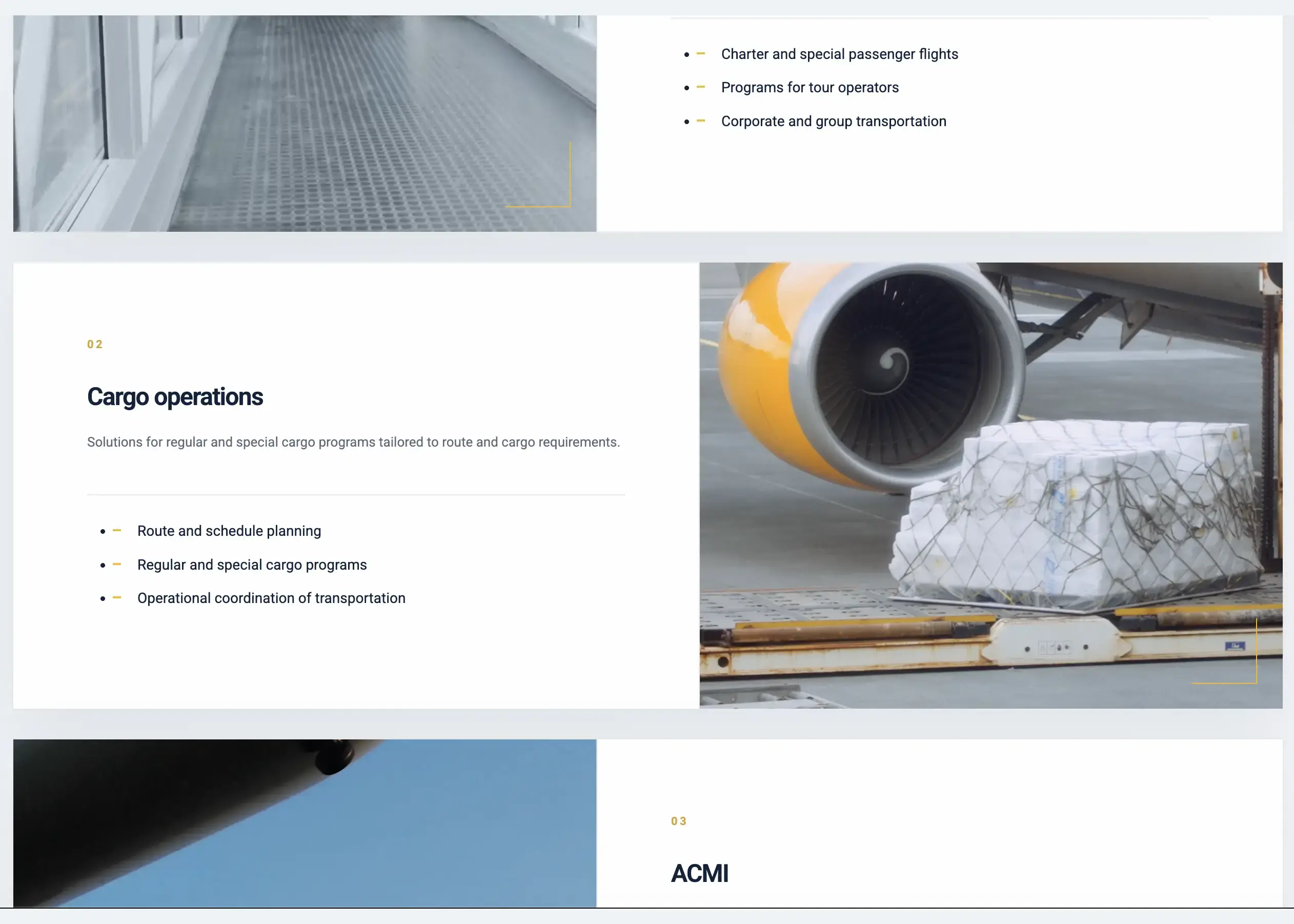
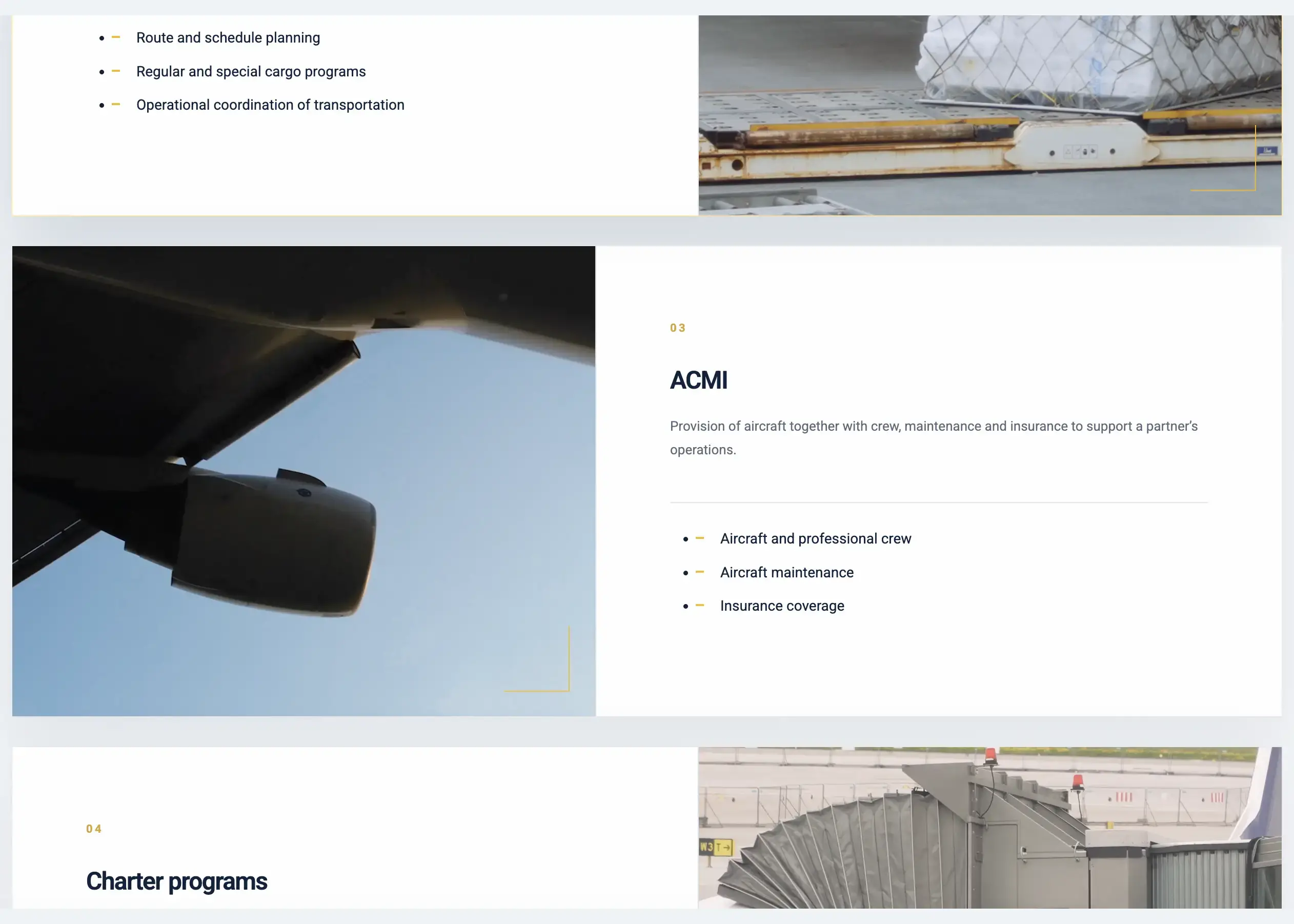
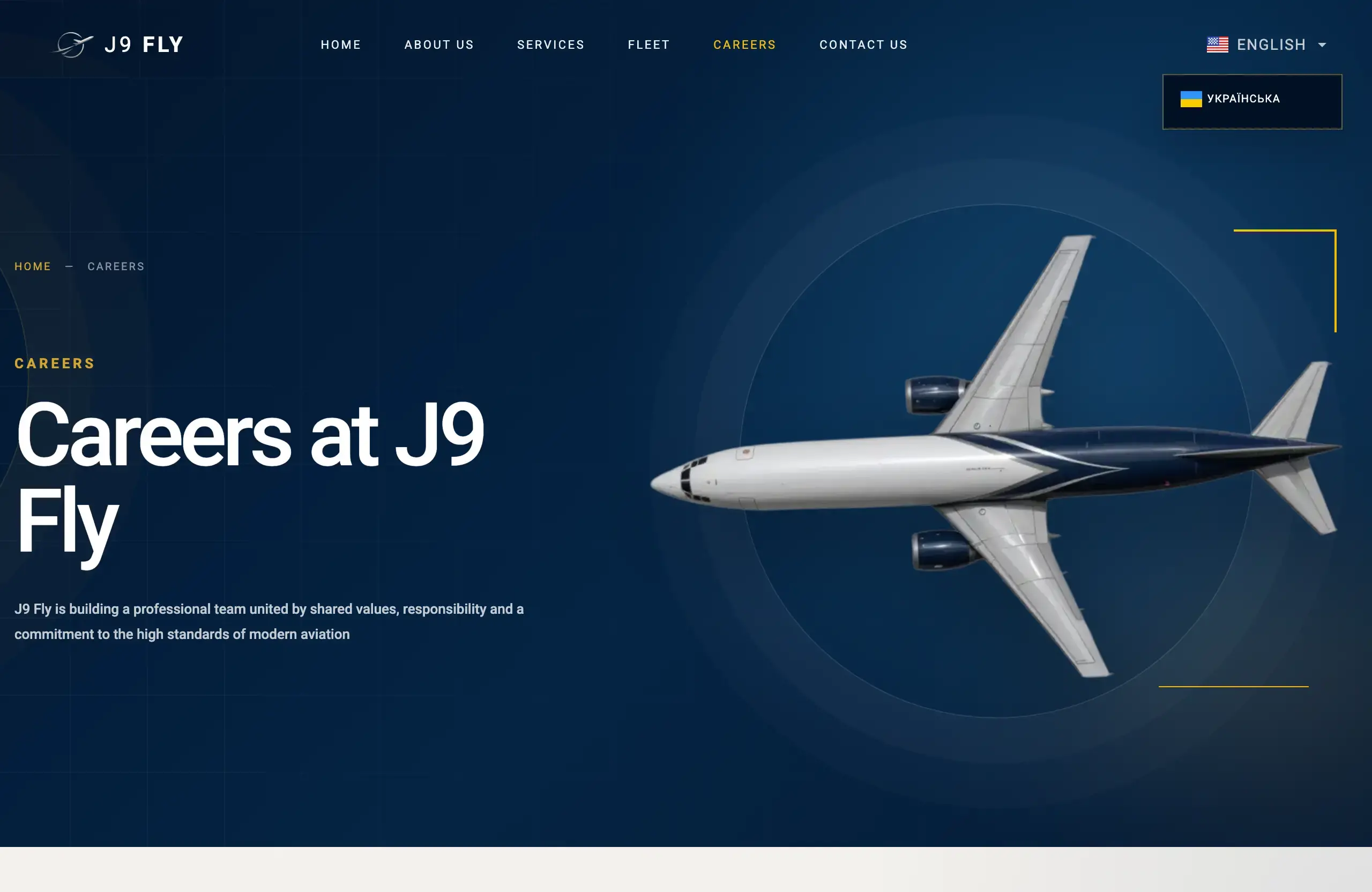
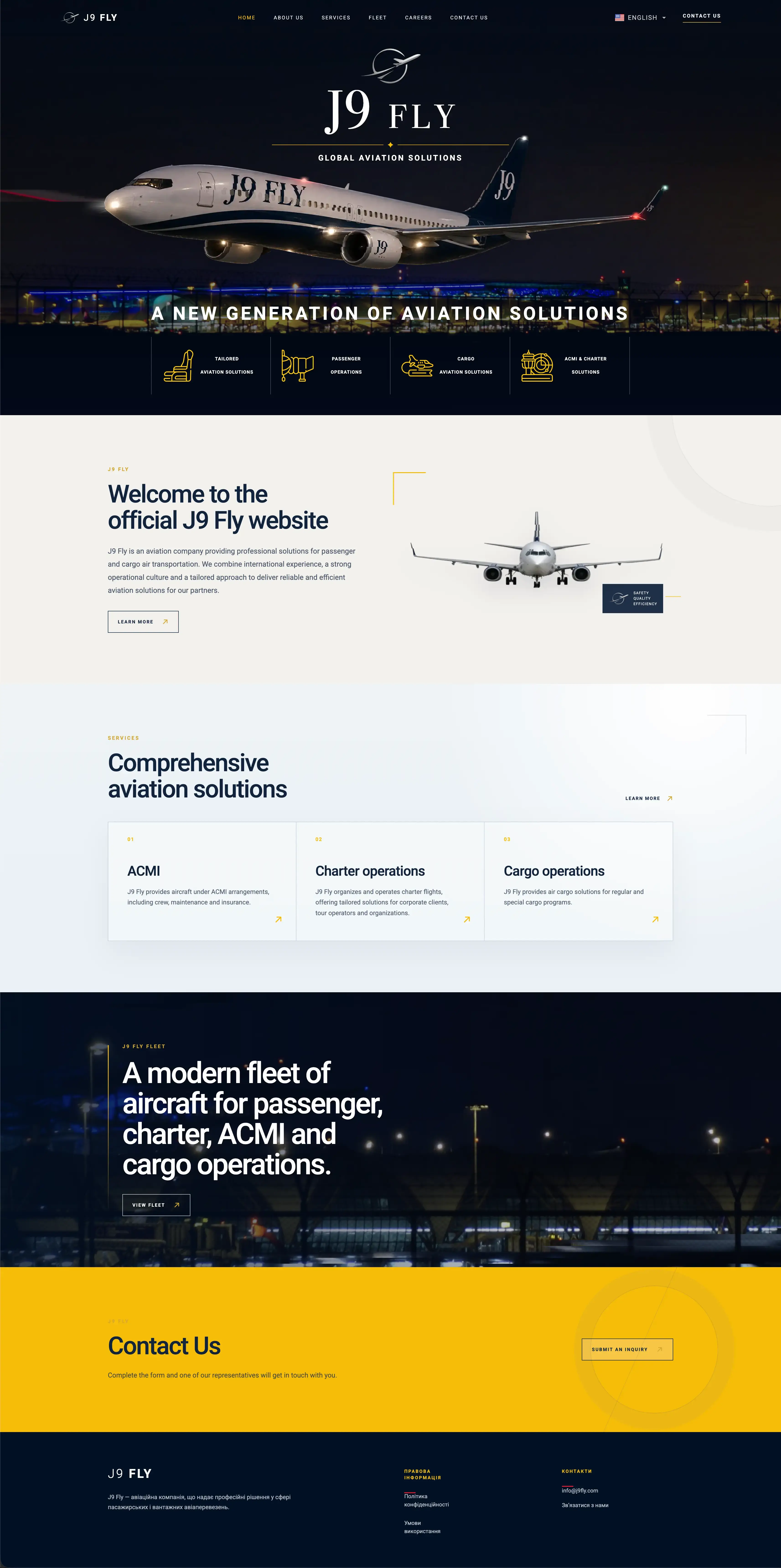
Aviation website design can include visual direction, page architecture, responsive layouts, navigation, service presentation, calls to action, image strategy, content hierarchy, and conversion-focused user experience. The exact structure depends on whether the business is an airline, flight school, FBO, airport, charter operator, MRO, aircraft broker, or another aviation company.
What does aviation website development include?
Aviation website development turns the approved design and business requirements into a working website. It can include CMS development, reusable page sections, multilingual content, responsive behavior, forms, media management, technical SEO foundations, integrations, and custom functionality required by the aviation business.
Why was Laravel Botble used for the J9 Fly website?
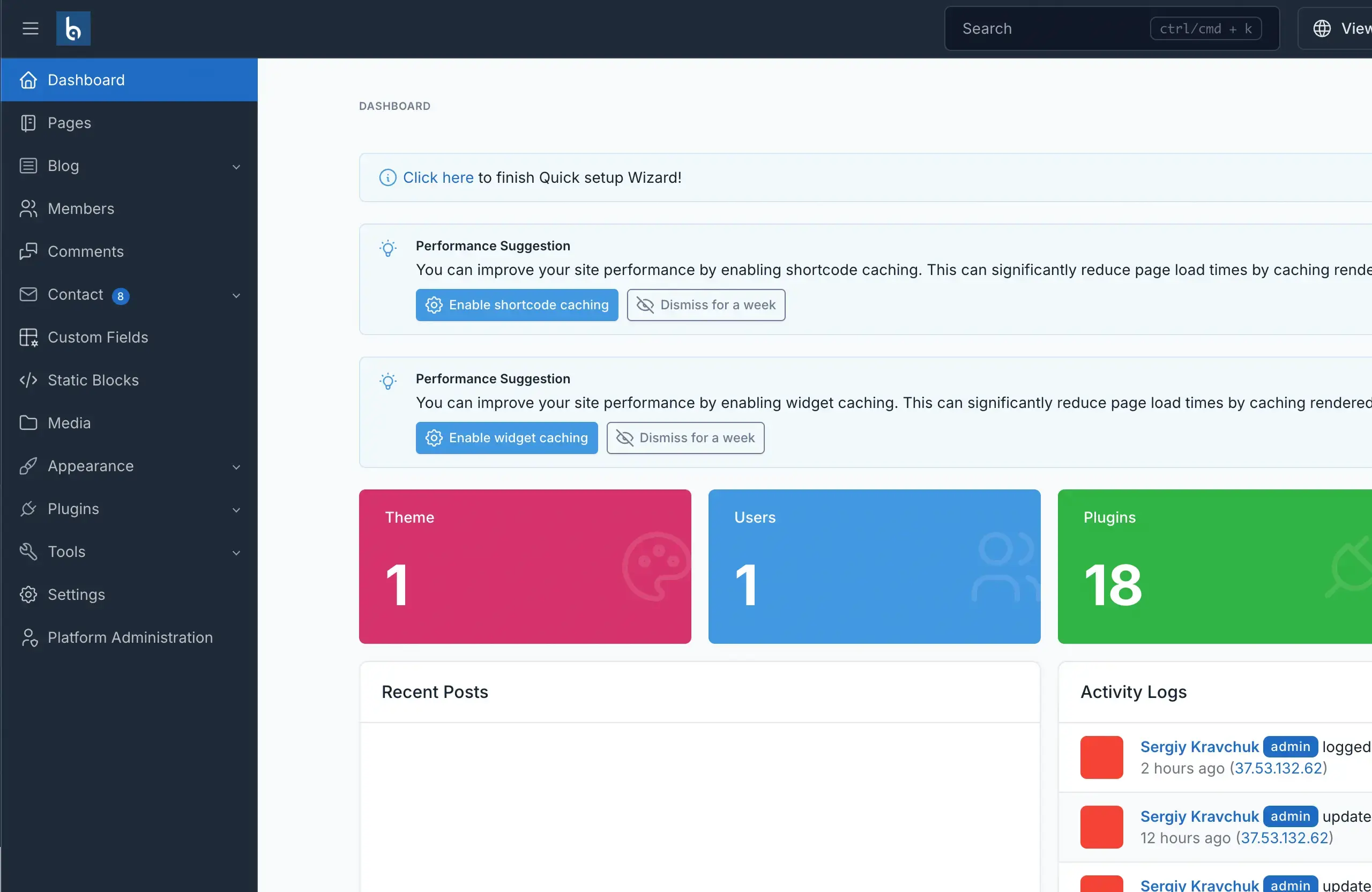
Laravel Botble provides a flexible CMS foundation while allowing custom front-end and project-specific development. For J9 Fly, it made it possible to create an aviation-focused interface while keeping important content manageable from the administration area.
Can an aviation website support multiple languages?
Yes. A multilingual aviation website can provide separate localized content while maintaining consistent navigation, design, service structure, and brand presentation. J9 Fly was structured for Ukrainian and English content, and the same approach can be extended when a project requires additional markets.
Do you provide airline website design for charter and cargo companies?
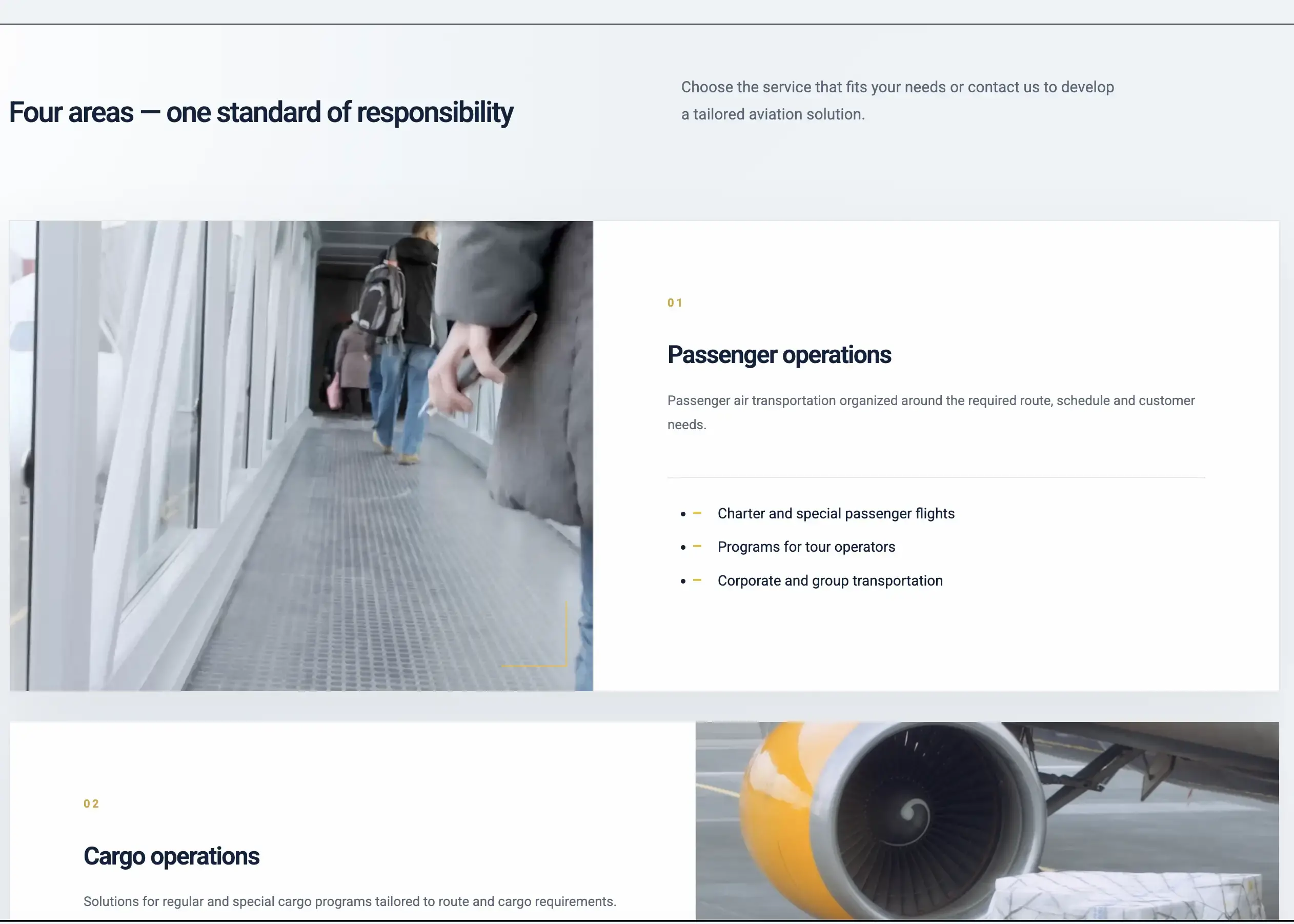
Yes. Airline website design can be adapted to passenger services, charter operations, ACMI services, cargo aviation, and companies combining several aviation business models. The website structure should reflect the actual services rather than forcing every aviation company into the same template.
Can you build websites for flight schools, FBOs, and private airports?
Yes. The same aviation web design process can be adapted to flight schools, helicopter schools, aviation academies, FBOs, private airports, regional airports, flying clubs, MRO companies, aircraft sales businesses, and other aviation organizations. Each niche should have its own content structure and conversion path.
Is responsive aviation web design important?
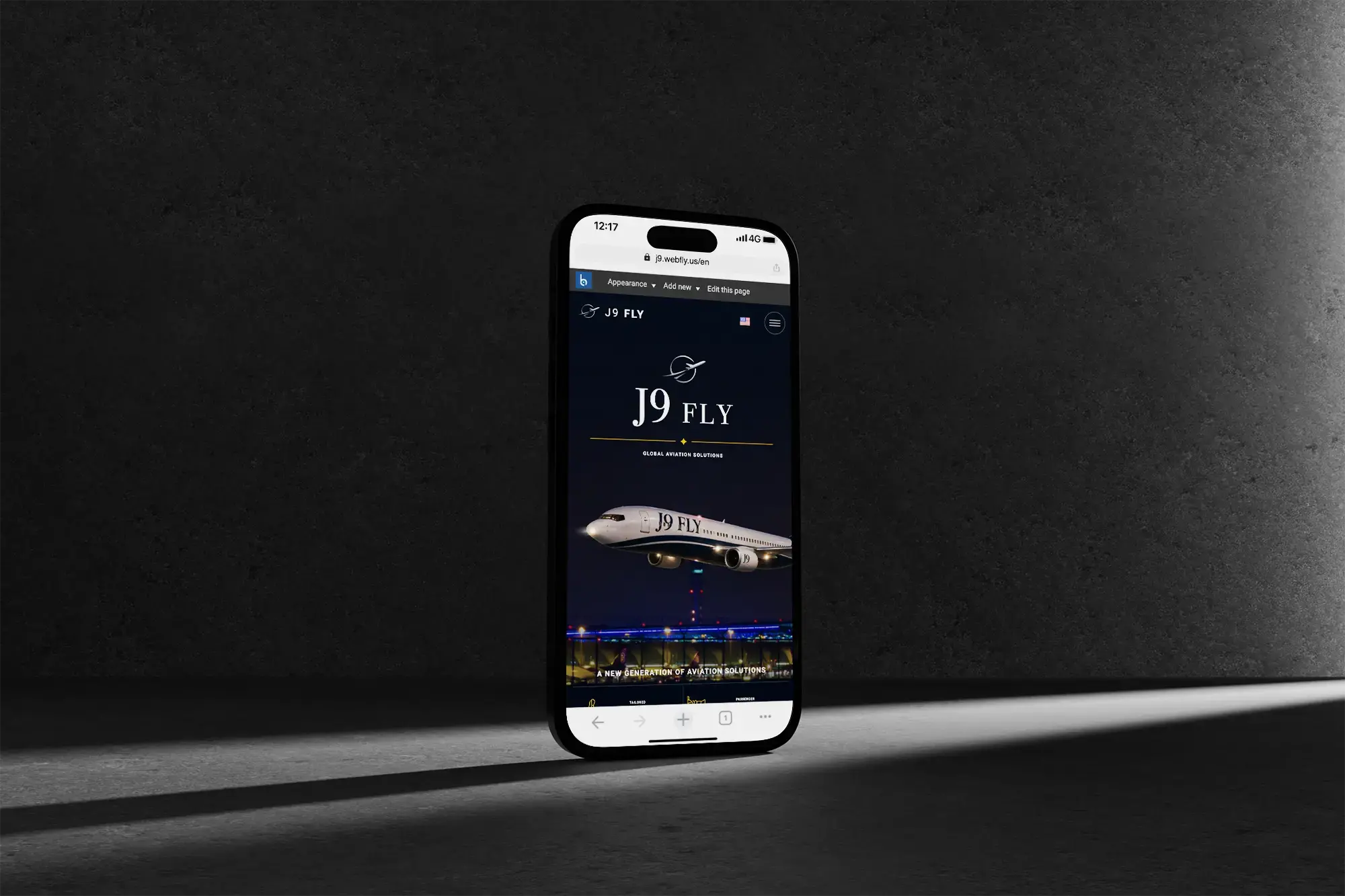
Yes. Aviation customers use websites from many device types and situations, so responsive aviation web design should keep navigation, service information, forms, contact actions, and important visual content usable across desktop, tablet, and mobile screens.
Can aviation SEO be considered during website development?
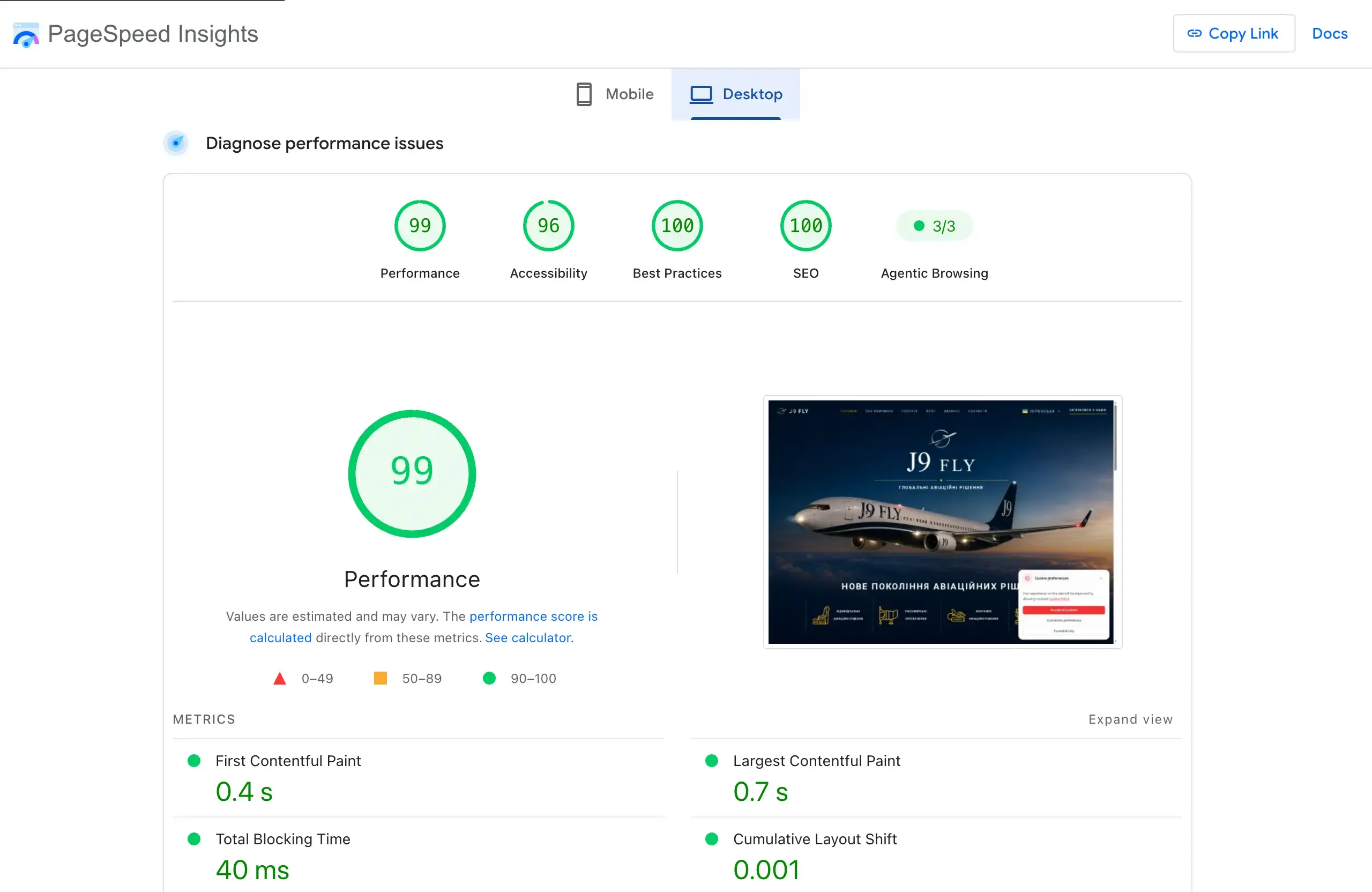
Yes. Aviation SEO is easier to expand when the website already has clean page architecture, logical headings, useful content, metadata, descriptive images, crawlable links, and room for dedicated service and article pages. SEO strategy can then target specific search intents without overloading the main corporate page.
Can the client update aviation website content without a developer?
Routine content can be made editable through the CMS. Depending on the project, this may include headings, descriptions, service blocks, images, calls to action, page metadata, and other structured fields while more complex development changes remain controlled in code.
Can an existing aviation website be redesigned instead of rebuilt from zero?
Yes. An existing website can be audited first to determine which parts should be retained, redesigned, migrated, or rebuilt. For established sites, URL structure, existing rankings, content, redirects, analytics, and technical SEO should be considered before launch so a visual redesign does not create avoidable search or usability problems.