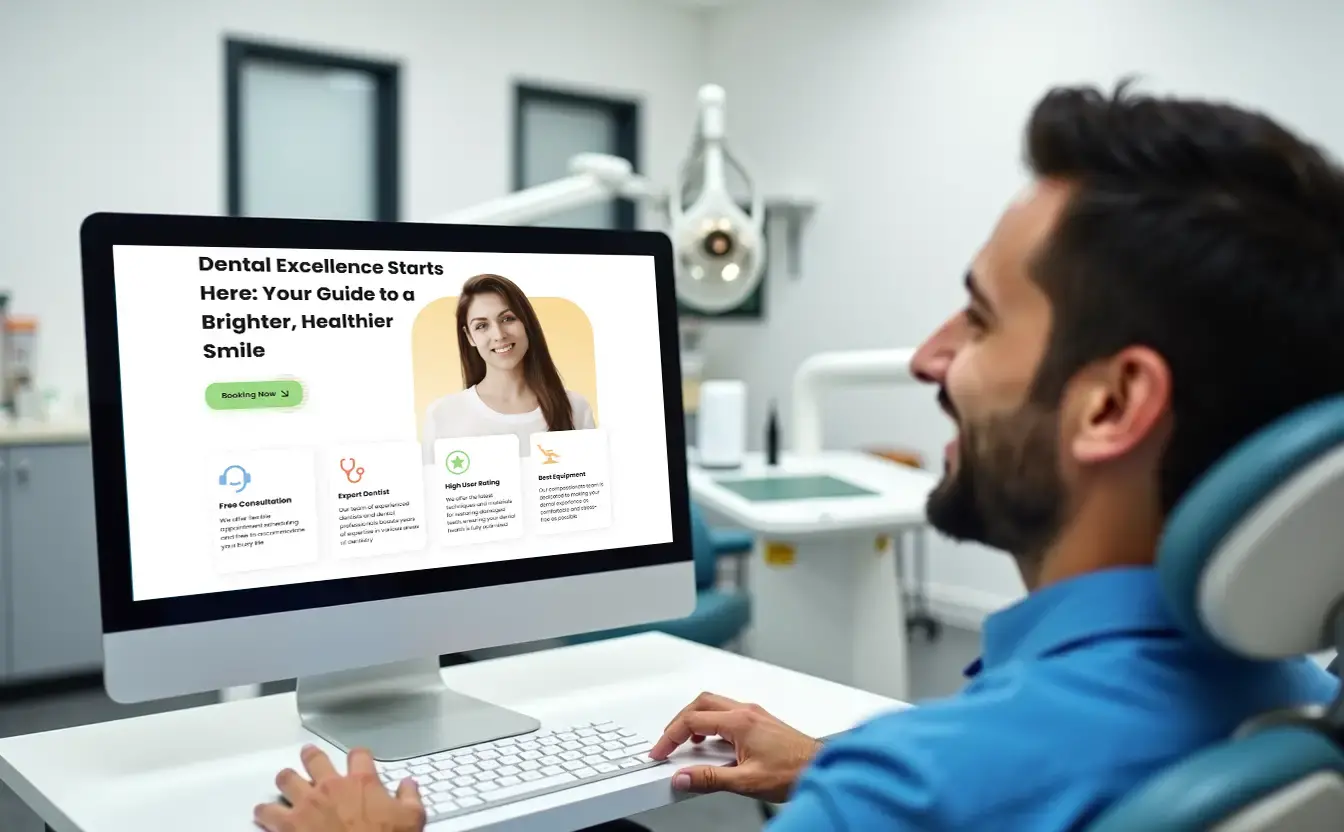
Replace your outdated site with expert website development for dentists tailored to attract patients and grow your practice today!
Website Development for Dentists
In a highly competitive market, having a strong online presence is essential for dental practices looking to attract and retain patients. Website development for dentists focuses on creating a professional, user-friendly, and functional website tailored to meet the specific needs of dental practitioners. A well-crafted website not only represents your practice but also serves as a powerful tool to communicate with potential and existing patients.
Whether you’re a solo practitioner or part of a larger clinic, your website is often the first impression patients have of your practice. By incorporating effective design elements, intuitive navigation, and search engine optimization, a dental website can establish credibility, improve patient engagement, and drive appointment bookings.
This article explores the key strategies, features, and benefits of website development for dentists while providing actionable insights to help dental professionals achieve a robust and successful online presence. From selecting the right dental website designer to implementing essential functionalities, this guide ensures your practice stays ahead in a competitive landscape.
The Importance of Professional Website Development for Dentists
In the healthcare sector, and particularly in dentistry, a professional online presence plays a pivotal role in establishing trust, attracting patients, and enhancing practice efficiency. Here, we explore why professional website development for dentists is essential and how it can revolutionize the way your practice connects with patients.
Why a High-Quality Website is Critical for Dental Practices
A high-quality dental website acts as a digital front door for your practice, serving as the first interaction many patients have with your services. In today’s patient-driven market, dental practices must convey professionalism, reliability, and care through their websites. Key reasons for prioritizing a high-quality website include:
- First Impressions Matter: Patients often judge the quality of care based on the professionalism of your website. A well-designed website can instill confidence in your expertise.
- Increased Accessibility: Your website ensures patients can learn about your services, hours, and location 24/7.
- Competitive Advantage: Many patients compare practices online before making decisions. A high-quality website gives you a competitive edge.
- Showcasing Specialties: Highlight your unique treatments and technologies to stand out in the market.
Benefits of a Custom Dental Website
Custom dental websites are tailored to meet the specific needs of a practice, helping to maximize patient engagement and operational efficiency. Unlike generic templates, a custom-built site offers:
- Unique Branding: A custom website reflects your practice’s personality and values, helping build trust and recognition.
- Optimized Patient Interaction: Features such as online appointment scheduling, secure patient forms, and chat functionality make patient interactions seamless.
- Scalability: As your practice grows, a custom site can adapt to new services, locations, or technologies.
- Enhanced Performance: With professional development, custom websites ensure faster loading times, mobile responsiveness, and better SEO performance.
By partnering with an experienced dental website designer, practices can create a site that aligns with their goals and resonates with their target audience.
How Websites Enhance Patient Experience and Trust
A well-designed dental website does more than provide information; it improves the overall patient experience. Here’s how:
- User-Friendly Design: Intuitive navigation allows patients to find what they need—whether it’s booking an appointment, learning about a treatment, or accessing contact details—without frustration.
- Educational Content: Providing informative articles, FAQs, and videos about dental care helps patients feel empowered and informed.
- Professional Visuals: High-quality images, videos, and modern design aesthetics convey professionalism and attention to detail.
- Online Reviews and Testimonials: Displaying positive patient feedback fosters trust and builds your reputation.
- Secure Features: Ensuring data security for patient forms and communication builds confidence in your practice’s commitment to privacy.
By focusing on these aspects, website development for dentists becomes a vital investment in building trust, enhancing patient satisfaction, and fostering long-term loyalty.
Essential Features for a Dentist’s Website
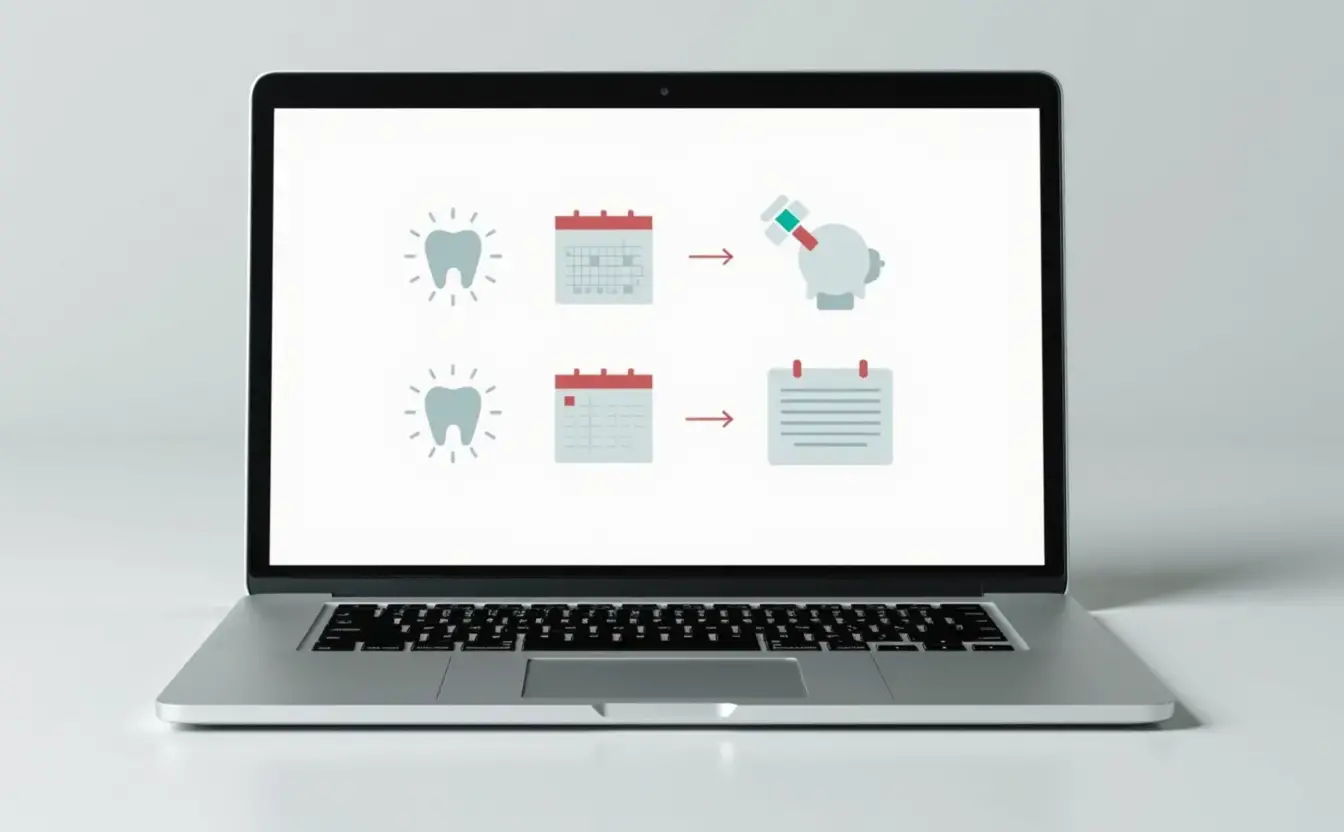
Creating a successful dental website requires more than just an attractive design. The functionality, usability, and security of the website are just as crucial as its appearance. To attract new patients and provide an outstanding online experience, website development for dentists should include these essential features.
User-Friendly Navigation
User-friendly navigation is at the core of any effective dental website. A well-structured site ensures patients can quickly find the information they need without frustration. Key elements of user-friendly navigation include:
- Clear Menu Structure: Organize menu items logically, such as “Services,” “About Us,” “Contact,” and “Patient Resources.”
- Search Functionality: Incorporate a search bar to allow patients to find specific information effortlessly.
- Call-to-Action Buttons: Strategically place buttons like “Book an Appointment” or “Contact Us” to encourage patient interaction.
- Accessible Design: Ensure all features are easy to use for individuals of varying abilities, complying with accessibility guidelines.
Mobile Optimization for Dental Websites
With a significant portion of web traffic coming from mobile devices, mobile optimization is non-negotiable for dental websites. A mobile-friendly site offers:
- Responsive Design: Automatically adjusts to fit screens of all sizes, from smartphones to tablets.
- Fast Loading Times: Optimize images and code to ensure quick load times, reducing bounce rates.
- Touch-Friendly Interfaces: Buttons and menus should be easy to interact with on smaller screens.
- SEO Benefits: Search engines prioritize mobile-optimized websites, helping your practice rank higher.
SEO Integration for Better Visibility
Search engine optimization (SEO) ensures your dental practice is easily found by potential patients searching online. Key aspects of SEO integration include:
- Keyword Usage: Incorporate relevant terms like dental website designs, healthcare website development, and dental clinic website design naturally throughout your content.
- Local SEO: Optimize your site for local search by including location-specific keywords and registering with Google My Business.
- Meta Tags and Descriptions: Use compelling and keyword-rich meta tags to improve click-through rates.
- High-Quality Content: Regularly update your site with blog posts, FAQs, and educational resources tailored to your audience.
Online Booking Systems and Scheduling
Streamlining appointment scheduling is essential for patient convenience and practice efficiency. Integrating an online booking system provides:
- 24/7 Availability: Patients can book appointments at their convenience, even outside office hours.
- Appointment Reminders: Automated reminders reduce no-shows and improve scheduling efficiency.
- Integration with Practice Management Software: Sync schedules directly with your practice’s systems for seamless operations.
Patient Testimonials and Reviews Section
Positive reviews and testimonials play a significant role in building trust with potential patients. A dedicated section for patient feedback can:
- Showcase Credibility: Highlight glowing reviews to establish your practice as trustworthy and patient-focused.
- Encourage Engagement: Include options for patients to leave their reviews directly on your site.
- Boost SEO: User-generated content, like reviews, can contribute to SEO performance when paired with keywords.
Secure Patient Forms and Data Handling
Security is critical when handling sensitive patient information online. Key features for secure data handling include:
- SSL Certificates: Encrypt data transmission to protect patient information and build trust.
- HIPAA Compliance: Ensure forms and systems comply with healthcare privacy regulations.
- Secure Patient Portals: Offer password-protected areas where patients can access forms, test results, and other sensitive information.
- Data Backup Systems: Implement regular backups to safeguard against data loss.
Including these essential features in website development for dentists ensures that your site not only attracts visitors but also converts them into loyal patients. Each feature contributes to a seamless, secure, and engaging online experience that meets the expectations of today’s digital-savvy patients.
Understanding Dental Website Design Trends
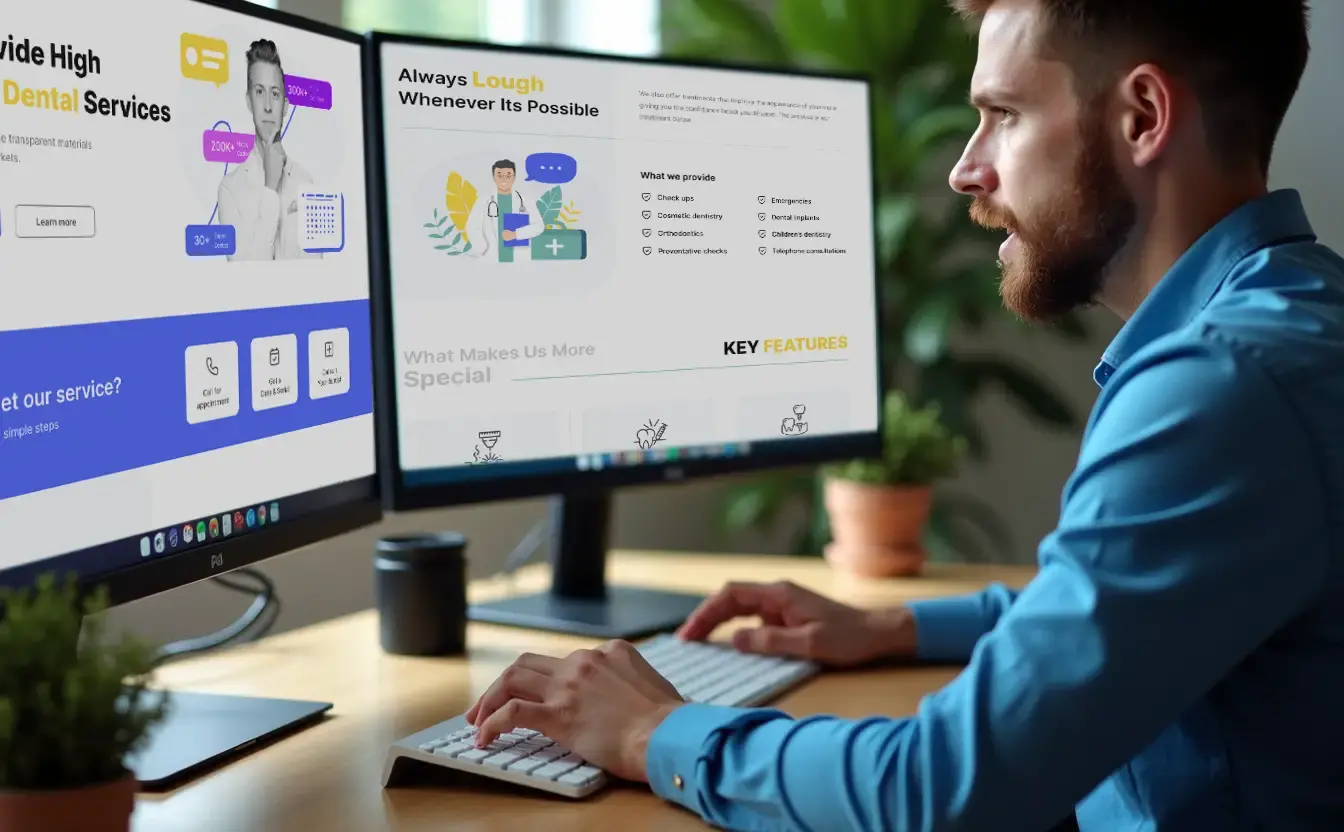
Staying ahead in the digital space requires embracing the latest trends in website design. For dental practices, a visually appealing, functional, and patient-focused website can significantly impact the way patients perceive your brand. Below, we explore the key design trends shaping dental website designs and how they can elevate your practice’s online presence.
Modern Aesthetics for Dental Clinics
Modern website aesthetics prioritize clean, professional, and visually harmonious designs that reflect the quality and care of your dental practice. Key elements of modern aesthetics include:
- Clean Layouts: Simple, uncluttered designs ensure easy navigation and focus attention on important information.
- Professional Color Schemes: Colors like whites, blues, and greens are often associated with cleanliness, trust, and health, making them popular choices for dental websites.
- Typography: Use clear, readable fonts to maintain a professional look while ensuring accessibility for all users.
- Custom Imagery: Invest in high-quality images of your clinic, staff, and facilities to personalize your website and build trust.
Modern aesthetics aim to project a polished and welcoming image, aligning with patients’ expectations for a professional dental practice.
Role of Visual Elements in Attracting Patients
Visual elements are powerful tools for capturing attention, conveying messages, and creating an emotional connection with your audience. Here’s how they play a role in dental website designs:
- Hero Images: Large, impactful images on the homepage can immediately draw attention and communicate your practice’s focus on patient care.
- Videos: Short videos showcasing procedures, patient testimonials, or a virtual tour of your clinic can engage visitors and keep them on your site longer.
- Icons and Graphics: Visual icons make it easier to highlight key features or services, such as online booking or emergency care.
- Before-and-After Galleries: Displaying patient transformations can build credibility and showcase your expertise.
When used effectively, visual elements not only enhance the aesthetics of your site but also improve its functionality and user experience.
Minimalist Design for Healthcare Websites
Minimalist design emphasizes simplicity, functionality, and ease of use—qualities that resonate well with patients seeking healthcare services. Here’s why minimalist design works for dental websites:
- Focus on Essentials: By removing unnecessary clutter, patients can quickly find the information they need, such as services, contact details, and appointment booking options.
- Faster Loading Times: Minimalist websites tend to load faster, which improves user experience and contributes to better SEO rankings.
- Enhanced Accessibility: Simple, straightforward layouts are easier to navigate for all users, including those with disabilities.
- Timeless Appeal: Minimalist designs age well, reducing the need for frequent redesigns.
Incorporating a minimalist approach to healthcare website development ensures your website remains user-friendly, professional, and visually appealing.
The Process of Website Development for Dentists
Developing a professional website for dental practices involves a series of well-coordinated steps designed to ensure the final product is both functional and visually appealing. By following a structured process, you can create a website that effectively represents your practice while meeting the needs of your patients. Below, we outline the key stages involved in website development for dentists.
Initial Consultation and Planning
The first step in the development process is understanding the unique goals and requirements of your dental practice. This stage lays the foundation for a website that aligns with your branding and patient needs.
- Needs Assessment: Identify the primary objectives for your website, such as increasing patient bookings, improving visibility, or showcasing specific services.
- Target Audience Definition: Analyze your ideal patients’ demographics, preferences, and behaviors to tailor the design and functionality.
- Content Planning: Outline the structure of your website, including main pages like “Services,” “About Us,” and “Contact.”
- Budget and Timeline: Establish a clear budget and timeline to ensure the project progresses smoothly.
The planning phase ensures a collaborative approach between your team and the dental website designer, setting the stage for a successful project.
Custom Design Creation by a Dental Website Designer
Once the goals and structure are defined, the next step is crafting a custom design that reflects your practice’s values and resonates with your target audience.
- Visual Branding: The designer incorporates your logo, color scheme, and typography to create a cohesive and professional look.
- Wireframes and Mockups: Create wireframes to map out the website’s layout and functionality, followed by detailed mockups showcasing the final design.
- Patient-Centric Design: Include elements like clear navigation, prominent call-to-action buttons, and an easy-to-use interface.
- Unique Features: Add tailored features like online booking forms, patient education sections, and interactive elements that enhance engagement.
This stage emphasizes creativity and innovation, ensuring your website stands out in the competitive dental industry.
Development and Testing
Once the design is approved, the development team brings the website to life by writing code and integrating functionalities. This stage ensures your website operates seamlessly across all devices and platforms.
- Responsive Development: Build a website that adapts to desktops, tablets, and smartphones for a consistent user experience.
- SEO Integration: Implement keywords like dental website designs and dental clinic website design throughout the site for better search engine rankings.
- Feature Integration: Add essential functionalities, such as secure patient forms, online booking systems, and interactive maps.
- Testing: Conduct thorough testing to identify and fix issues related to performance, responsiveness, and security.
By addressing potential problems during this phase, your website will be polished and fully functional before launch.
Launch and Post-Launch Optimization
The final phase involves making your website live and ensuring it performs at its best after launch. This includes:
- Launch Preparation: Migrate the website to its hosting platform, set up SSL certificates, and configure domain settings.
- Performance Monitoring: Use analytics tools to track user behavior, traffic sources, and conversion rates.
- Ongoing SEO: Regularly update content with relevant keywords like healthcare website development to maintain visibility.
- Maintenance and Support: Provide ongoing technical support to address any issues, update features, and keep the website secure.
Post-launch optimization ensures your website remains effective and relevant in achieving your practice’s goals over time.
How to Choose the Right Dental Website Designer

Selecting the right dental website designer is a crucial step in ensuring your practice’s online presence is professional, functional, and engaging. The right designer will not only create a visually appealing website but also ensure it aligns with your practice’s goals and meets the expectations of your patients. Here are the key considerations when choosing a designer for your dental website.
Qualities to Look for in a Dental Website Designer
A great dental website designer possesses specific qualities that set them apart. When evaluating candidates, consider the following attributes:
- Specialization: Look for designers with experience in creating healthcare or dental websites, as they understand the industry’s unique requirements.
- Portfolio: Review their previous work to assess their style, creativity, and attention to detail. Look for features like mobile responsiveness, intuitive navigation, and professional aesthetics.
- Communication Skills: A good designer listens to your needs, provides clear updates, and collaborates effectively throughout the project.
- Problem-Solving Abilities: They should be capable of addressing challenges, such as integrating online booking systems or ensuring HIPAA compliance, with innovative solutions.
These qualities ensure the designer is not only technically skilled but also aligned with your vision.
Experience in Healthcare Website Development
Experience in healthcare website development is a significant advantage when choosing a designer for your dental practice. Designers with a background in healthcare understand the specific needs of medical professionals and their patients, including:
- Regulatory Compliance: Familiarity with privacy laws like HIPAA ensures your website securely handles patient information.
- Patient-Centric Design: They know how to create layouts and features that prioritize patient convenience, such as appointment scheduling and FAQ sections.
- Industry Trends: Experienced designers stay updated on trends in healthcare websites, such as telehealth integration, patient education resources, and minimalist aesthetics.
Choosing a designer with healthcare experience can save time and ensure a smoother development process.
Understanding of SEO for Dental Websites
Search engine optimization (SEO) is vital for ensuring your dental website ranks well and attracts patients. A qualified dental website designer should understand the fundamentals of SEO, including:
- Keyword Optimization: Incorporating relevant keywords like website development for dentists, dental website designs, and healthcare website development naturally throughout your site.
- Local SEO: Optimizing for local searches by including location-specific keywords and setting up Google My Business profiles.
- Technical SEO: Ensuring fast page load times, mobile responsiveness, and proper URL structuring to improve search rankings.
- Content Strategy: Collaborating on creating high-quality, engaging content that enhances visibility and meets patient needs.
A designer with strong SEO knowledge ensures your website not only looks good but also performs well in search engine rankings.
Best Practices for Dental Website SEO Optimization
Optimizing your dental website for search engines is critical to ensuring potential patients can find your practice online. By employing effective SEO strategies, you can increase your website’s visibility, attract targeted traffic, and convert visitors into loyal patients. Here are the best practices for SEO optimization for dental websites that every practice should implement.
Using Local SEO to Target Patients Nearby
For dental practices, local SEO is one of the most powerful tools to attract nearby patients. By optimizing for local searches, you can appear in “near me” results and Google’s local map pack. Here’s how to leverage local SEO:
- Google My Business: Claim and optimize your profile by providing accurate information about your practice, including address, phone number, hours of operation, and images.
- Location-Specific Keywords: Use terms like “dentist in [city]” or “dental clinic near [location]” in your website’s meta titles, descriptions, and content.
- NAP Consistency: Ensure your Name, Address, and Phone number (NAP) are consistent across all online platforms, including your website and directories.
- Local Reviews: Encourage satisfied patients to leave reviews on platforms like Google, Yelp, and Healthgrades to improve your local ranking and credibility.
By focusing on local SEO, your dental practice can become the go-to choice for patients in your area.
Optimizing Content with Keywords
Content is a cornerstone of SEO, and using the right keywords can significantly improve your website’s search engine ranking. To optimize your content effectively:
- Strategic Keyword Placement: Incorporate keywords like website development for dentists, dental website designs, and healthcare website development naturally throughout your pages, including headings, body text, and image alt attributes.
- Create Valuable Content: Develop blogs, FAQs, and articles on topics that interest your patients, such as “how to maintain oral hygiene” or “benefits of cosmetic dentistry.”
- Answer Patient Questions: Use tools like Google’s People Also Ask to find common patient queries and address them in your content.
- Long-Tail Keywords: Target specific phrases such as “affordable dental implants in [city]” to attract more qualified traffic.
Optimized content not only improves rankings but also builds trust and authority with your audience.
Technical SEO Considerations for Dental Clinic Websites
Technical SEO ensures that your website is fast, secure, and easy to navigate—key factors for both search engines and users. Important technical considerations include:
- Mobile Optimization: Ensure your site is responsive and works seamlessly on all devices.
- Page Speed: Optimize images, enable browser caching, and minimize code to improve load times.
- Secure Website: Use SSL certificates (HTTPS) to protect patient data and improve trust.
- Structured Data Markup: Implement schema markup to help search engines understand your website’s content, such as service details and reviews.
- XML Sitemap and Robots.txt: Submit an XML sitemap to search engines and create a robots.txt file to guide crawling and indexing.
Technical SEO ensures that your website is primed for search engines while providing an excellent user experience.
Regular Updates to Maintain Ranking
SEO is not a one-time effort but an ongoing process. Regular updates are essential to maintain and improve your rankings over time. Best practices for keeping your website fresh include:
- Content Updates: Add new blog posts, update service descriptions, and refresh outdated information regularly.
- Monitor Analytics: Use tools like Google Analytics and Search Console to track performance and identify areas for improvement.
- Address Technical Issues: Regularly audit your site for broken links, outdated plugins, or security vulnerabilities.
- Stay Updated with Trends: SEO algorithms evolve, so keep up with the latest updates to stay competitive.
Frequent updates not only help with search engine rankings but also keep your website engaging and relevant to patients.
Advantages of Hiring Professionals for Dental Website Development
Hiring professionals for dental website development ensures that your online presence is not only visually appealing but also functional, user-friendly, and tailored to the unique needs of your practice. Below, we delve into the key advantages of entrusting your website to experienced professionals.
Expertise in Creating Corporate-Level Websites
Professional developers bring a level of expertise that ensures your website meets high corporate standards, making your practice stand out in a competitive field. Their expertise includes:
- Scalable Design: Professionals can create websites that grow with your practice, accommodating new locations, services, or features as needed.
- Advanced Features: They can integrate cutting-edge features like patient portals, online payment systems, and real-time chat support to enhance functionality.
- Brand Consistency: Professionals ensure your website aligns with your branding, from logos to color schemes, maintaining a cohesive and professional image.
This level of expertise results in a website that mirrors the professionalism and quality of your dental practice.
Tailored Solutions for Your Dental Practice
A generic website cannot effectively represent your practice or address your patients’ specific needs. Hiring professionals allows for fully customized solutions, including:
- Unique Design Elements: A custom layout, high-quality visuals, and personalized content tailored to your practice’s identity.
- Specialized Content: Integration of targeted keywords such as website development for dentists and dental clinic website design to optimize for local and industry-specific searches.
- Localized Features: Incorporating location-based elements like interactive maps, local SEO optimization, and region-specific patient resources.
Tailored solutions ensure that your website reflects your unique practice while providing a superior user experience for your patients.
Streamlining Patient Interaction through Innovative Features
Professionally developed websites go beyond aesthetics to offer innovative features that enhance patient interaction and satisfaction. Examples include:
- Online Scheduling: Allow patients to book, reschedule, or cancel appointments 24/7 through an integrated scheduling system.
- Secure Patient Forms: Streamline patient intake with secure, HIPAA-compliant forms that can be completed online.
- Educational Resources: Include blogs, videos, and FAQs to educate patients and establish your expertise in dental care.
- Live Chat and Support: Provide instant responses to patient inquiries through integrated chatbots or live chat functionality.
- Multilingual Options: Reach a diverse patient base with language options tailored to your community.
By incorporating these features, a professionally developed website transforms your digital presence into a powerful tool for patient engagement and satisfaction.
Cost of Developing a Dental Website
The cost of dental website development can vary widely depending on the scope of the project, the features you need, and the expertise of the professionals you hire. Understanding the key factors that influence pricing and how to strike a balance between cost and quality is essential to making an informed decision for your practice.
Factors Affecting Pricing
Several factors determine the overall cost of developing a dental website. Here are the most significant ones to consider:
- Customization Level: A fully custom-built website tailored to your practice will typically cost more than a template-based solution. Custom designs include unique branding, layouts, and features specific to your needs.
- Features and Functionality: Advanced functionalities like online appointment booking, secure patient forms, chat integration, and SEO optimization add to the cost but provide significant value.
- Content Creation: Developing original, high-quality content, including written text, images, and videos, can increase costs but is crucial for patient engagement and SEO.
- Developer Expertise: Hiring experienced professionals, such as a specialized dental website designer, often comes with a higher price tag but ensures a superior end product.
- Mobile Optimization: Ensuring your website is fully responsive and optimized for mobile devices is a must-have feature that can influence costs.
- Ongoing Maintenance and Support: Budget for ongoing updates, hosting fees, and technical support to keep your website running smoothly.
By understanding these factors, you can prioritize what’s most important for your practice and allocate your budget accordingly.
Balancing Cost and Quality in Website Development
Finding the right balance between cost and quality is key to ensuring you get the most value from your investment in a dental website. Here’s how to achieve this balance:
- Set Clear Goals: Define your practice’s specific needs and goals for the website. This will help you determine which features are essential and which can be deferred to a later stage.
- Compare Providers: Request quotes from multiple developers or agencies specializing in healthcare website development to compare pricing and services.
- Focus on ROI: Invest in features that provide long-term value, such as SEO integration, patient-centric functionalities, and professional design. While these may require a higher upfront cost, they pay off by attracting more patients and improving operational efficiency.
- Start Small, Scale Later: If your budget is limited, focus on developing a minimal viable website with essential features, leaving room to expand and enhance as your practice grows.
- Evaluate Hosting and Maintenance Plans: Choose cost-effective hosting solutions and maintenance packages that fit your needs without compromising on reliability.
By carefully planning and working with the right professionals, you can develop a high-quality dental clinic website design that meets your budget and delivers measurable results for your practice.