


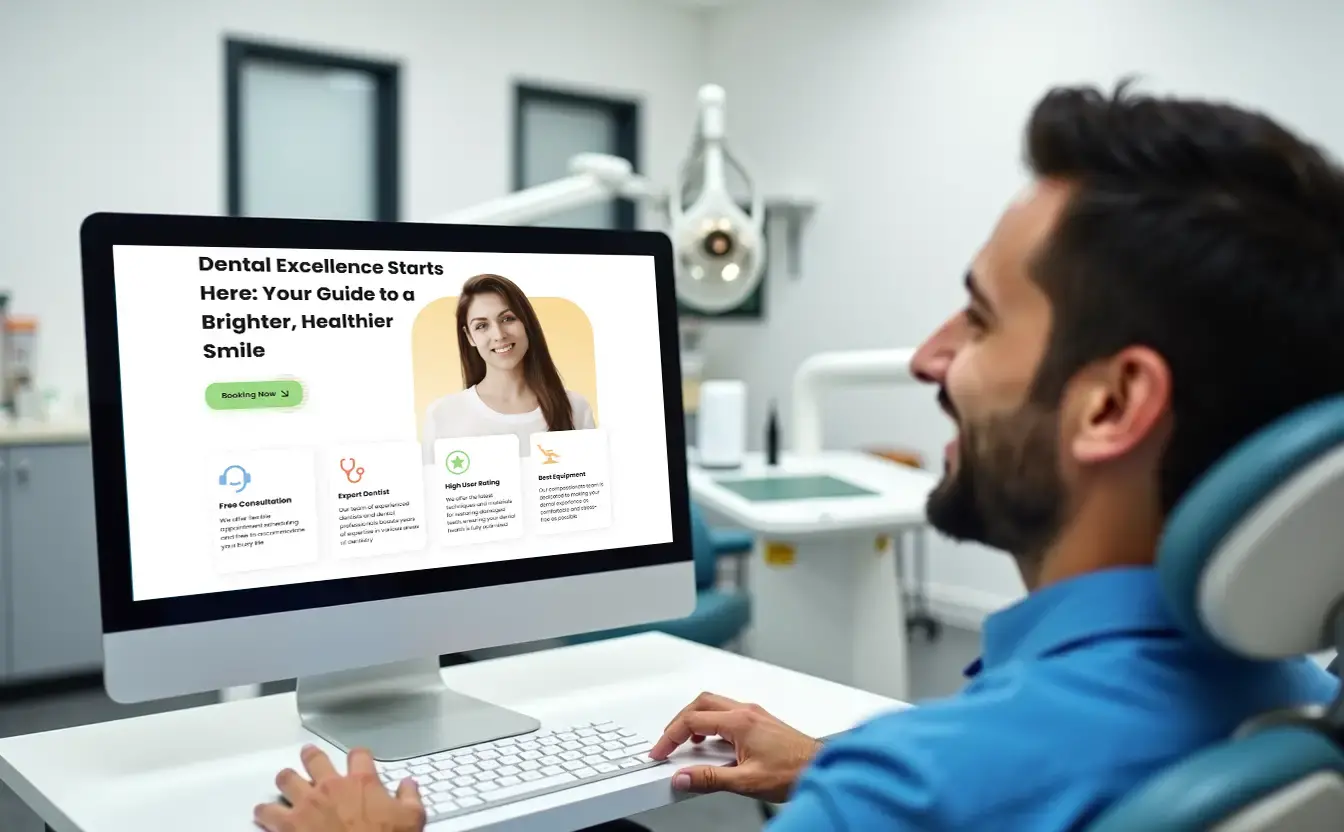
Upgrade your website design dental strategy. Attract new patients with a modern, optimized site tailored to your practice.
Website Design Dental
In today’s competitive landscape, having a strong online presence is no longer optional—it’s essential. For dental practices, a professional website design dental strategy can be the difference between attracting new patients and losing them to competitors. Your website is often the first interaction a potential patient has with your practice, and it needs to convey trust, professionalism, and accessibility.
Why Your Dental Practice Needs a Website Tailored for Success

A generic website might showcase your services, but a dental-specific design goes beyond just listing treatments. It highlights your expertise, reflects your practice’s unique personality, and creates a seamless experience for visitors. A thoughtfully crafted website design dental solution ensures that your site is optimized for functionality, aesthetics, and patient engagement.
Core Benefits of a Professionally Designed Dental Website
- First Impressions Matter: Patients form an opinion about your practice within seconds of visiting your site. A polished design speaks volumes about your professionalism.
- Enhanced Patient Trust: Incorporating features like testimonials, certifications, and secure online forms builds trust and confidence.
- Improved Accessibility: Mobile-friendly dental website designs ensure that your site looks and performs perfectly across all devices.
Tailored Features That Set Your Practice Apart
With a dedicated dental website designer, you can integrate essential features such as:
- Easy-to-use online appointment scheduling.
- Educational content about dental procedures and oral health.
- Contact forms that make patient inquiries simple and fast.
- Optimized service pages highlighting treatments like teeth whitening, braces, and implants.
A professionally crafted dental website isn’t just an online placeholder; it’s a dynamic tool that supports patient acquisition, retention, and satisfaction. Let’s move your practice forward with innovative and tailored website design dental solutions that leave a lasting impression.
Why Professional Website Design is Essential for Dentists
A well-crafted website is more than just an online presence; it is an indispensable tool for growing your dental practice. In a highly competitive industry, having a professionally designed website tailored to the specific needs of your patients can set you apart and position your practice as the go-to choice in your community.
The Role of a Well-Designed Website in Attracting New Patients
Importance of First Impressions in the Healthcare Industry
First impressions are everything, especially in healthcare. When potential patients visit your site, they quickly decide whether they feel confident in your services. A clean, modern, and easy-to-navigate website design dental project ensures they leave with a positive perception of your practice. Patients associate a professional website with a high standard of care, making it a key element of your patient acquisition strategy.
How a Professional Website Design Dental Solution Builds Trust and Credibility
A well-designed dental website demonstrates your expertise and commitment to patient care. Features such as:
- Professional images of your office and team.
- Testimonials from satisfied patients.
- Information about your qualifications and certifications.
…help establish credibility and trust. When your website reflects the same level of professionalism patients can expect in your office, it reassures them that they’re making the right choice.
Stand Out in a Competitive Market
How Customized Dental Website Designs Make Practices Unique
No two dental practices are the same, and your website should reflect what makes yours unique. Customized dental website designs can:
- Showcase your specializations, such as orthodontics, cosmetic dentistry, or pediatric care.
- Highlight unique features like advanced technology or patient comfort amenities.
- Create a memorable and user-friendly experience that keeps visitors coming back.
Customization allows you to communicate your practice’s values and strengths while differentiating yourself from competitors in your area.
Insights into Patient Behavior and Decision-Making Influenced by Modern Web Aesthetics
Patients are increasingly influenced by design elements when choosing a healthcare provider. A visually appealing website with clear, actionable information guides patients toward making appointments. Features like bold calls to action, strategically placed service highlights, and user-friendly navigation significantly impact their decision-making. With a modern website design dental approach, your practice can appeal directly to the preferences of today’s patients, increasing conversion rates and boosting engagement.
Key Features of an Effective Dental Website
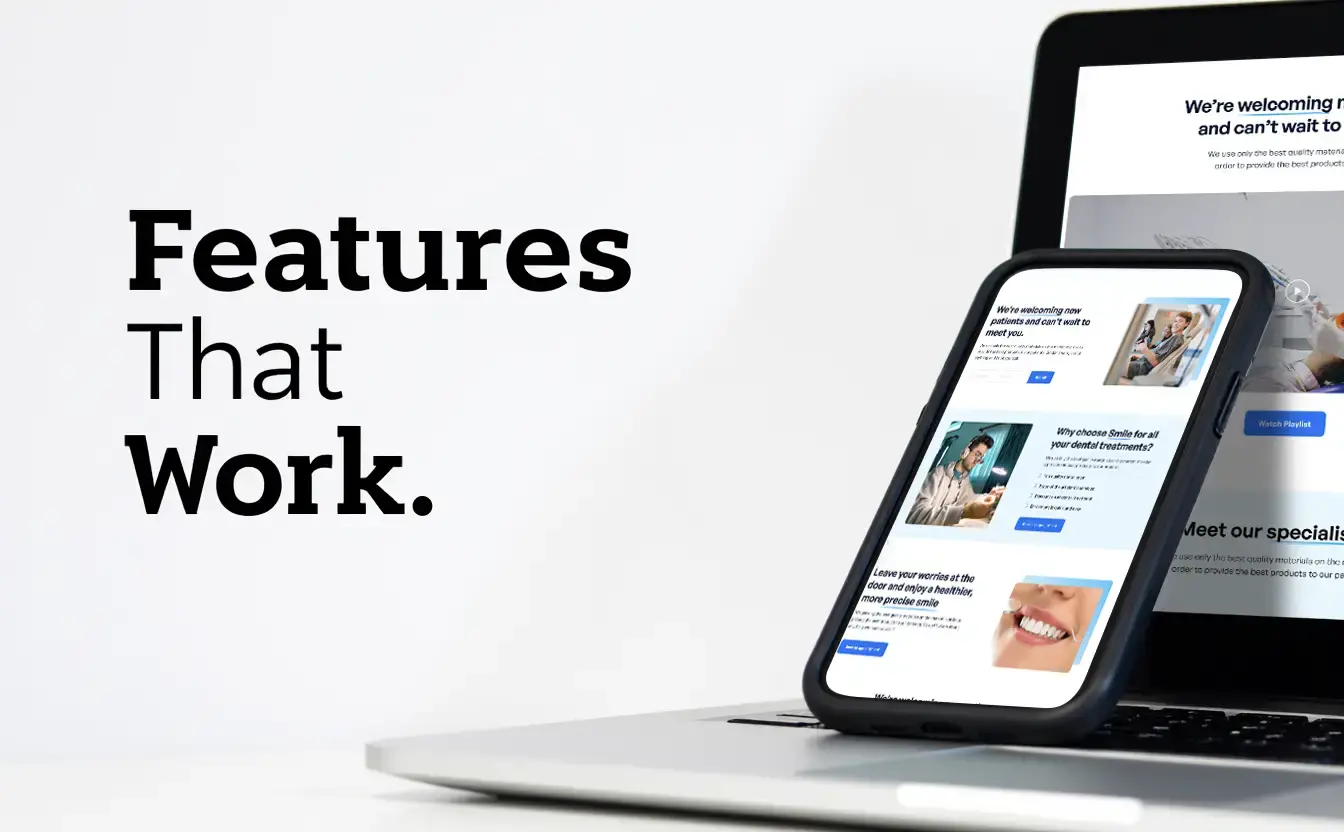
Creating an effective dental website involves blending functionality with aesthetics to ensure a seamless user experience. By incorporating essential features that prioritize user needs, your site can become a powerful tool for attracting and retaining patients. Here are the key elements that every successful website design dental project must include.
User-Friendly Navigation
The Importance of Intuitive Menus for Patient Satisfaction
Patients visit your website seeking clear and concise information about your services, location, and contact details. Intuitive navigation makes it easy for users to find what they’re looking for without frustration. A well-structured menu guides patients to pages such as services, FAQs, appointment scheduling, and patient reviews, enhancing their overall satisfaction.
Strategies to Organize Services and Content Efficiently
Organizing your website’s content with logic and simplicity is crucial. Here’s how to optimize your dental website designs:
- Use drop-down menus to categorize services by type (e.g., cosmetic dentistry, restorative care, pediatric dentistry).
- Include a search bar for quick access to specific topics.
- Highlight key pages on the homepage with clickable buttons or banners.
Effective content organization not only improves the user experience but also boosts your SEO rankings by making your site easier to navigate.
Mobile Optimization is a Must
Why Mobile-Friendly Website Development for Dentists Ensures Accessibility
More than half of all internet users browse on mobile devices, making mobile optimization a necessity for modern dental practices. A responsive website development for dentists ensures that your site adapts seamlessly to various screen sizes, offering an equally engaging experience on smartphones, tablets, and desktops.
The Rising Trend of Patients Browsing Dental Services via Smartphones
Patients often search for dental services while on the go, whether they’re comparing providers or scheduling an appointment. Mobile-friendly design elements, such as easy-to-read text, clickable phone numbers, and fast-loading pages, cater to this behavior. By prioritizing mobile optimization, your practice becomes accessible to a broader audience, boosting patient inquiries and appointments.
Clear Call-to-Actions (CTAs)
Placement and Examples of Effective CTAs for Appointment Bookings
Clear and compelling CTAs drive patient engagement by guiding visitors toward specific actions. Effective CTAs include phrases such as:
- “Schedule Your Appointment Today!”
- “Contact Us for a Free Consultation.”
- “Learn More About Our Services.”
Place CTAs prominently on the homepage, service pages, and contact page. For instance, a button encouraging appointment bookings can be strategically positioned above the fold on the homepage and repeated at the bottom of key pages for maximum visibility.
How Action-Driven Design Improves Patient Engagement
CTAs are most effective when paired with engaging visuals and a sense of urgency. For example:
- Use bold, contrasting colors to make buttons stand out.
- Combine CTAs with patient-friendly features, such as online scheduling forms.
Action-driven design not only increases interaction but also streamlines the process of converting visitors into patients.
Best Practices for Website Development for Dentists
A well-planned and expertly executed website can serve as a vital marketing and communication tool for your dental practice. To ensure your site meets the expectations of modern patients, it’s crucial to follow best practices in website development for dentists that prioritize usability, engagement, and functionality.
Integrating Patient-Centric Content
How Educational Blogs and Resources Enhance Engagement
Providing valuable educational content not only positions you as an authority in your field but also keeps patients engaged. Blog posts about dental hygiene tips, FAQs on common procedures, and post-treatment care advice can make your site a go-to resource for your audience. Including patient-centric content demonstrates that you care about their overall oral health, not just their appointments.
Benefits of Having a FAQ Section Addressing Common Dental Concerns
An FAQ section is a must-have for addressing patient queries efficiently. By answering common concerns—such as insurance coverage, procedure details, and appointment preparation—you save your staff time and provide convenience for your patients. A well-crafted FAQ page also improves your site’s SEO by incorporating relevant keywords such as dental clinic website design and website design dental in natural contexts.
SEO Optimization for Local Visibility
Using Geo-Specific Keywords for Better Rankings in Local Search Results
Incorporating geo-targeted keywords ensures your practice ranks high in local search results. Phrases like “family dentist in [City]” or “best cosmetic dentist near me” make it easier for patients in your area to find your services. By embedding these terms within your site’s content, meta descriptions, and headers, you enhance your visibility for local searches.
The Importance of Optimizing Images and Content with Dental Website Designer Services
High-quality visuals are essential, but they must be optimized to prevent slow loading times. Professional dental website designer services ensure that images are compressed without compromising quality and include relevant alt text to boost SEO. Additionally, keyword-rich content helps search engines understand your site’s relevance, improving rankings and attracting more traffic.
Secure and Fast Websites Matter
Ensuring Website Security Through HTTPS Protocols
Security is a top concern for patients, especially when they share personal or medical information. An HTTPS-secured website assures users that their data is safe. This is not just about trust; Google also prioritizes secure sites in search rankings, making HTTPS implementation vital for SEO success.
Importance of Fast-Loading Pages for Patient Retention and SEO Performance
Slow-loading websites frustrate users and increase bounce rates. A professional website design dental project includes performance optimization, such as minimizing code, leveraging caching, and optimizing server response times. Speed is critical to retaining visitors and ensuring a smooth browsing experience.
Advantages of Hiring a Dedicated Dental Website Designer
When it comes to creating a professional and impactful online presence, partnering with a specialized dental website designer can elevate your practice in ways a generalist web developer cannot. A dedicated designer understands the unique needs of dental practices and can tailor your website to attract and retain patients effectively.
Tailored Solutions for Dental Practices
How a Professional Dental Website Designer Creates Unique Solutions
A professional dental website designer focuses on creating websites that reflect your practice’s values, services, and personality. By understanding the nuances of the dental industry, they can craft a design that stands out in a competitive market. Features such as:
- Personalized branding that aligns with your practice’s aesthetic.
- Highlighting specialties such as orthodontics, implants, or cosmetic dentistry.
- Incorporating patient-friendly layouts and engaging visuals.
These tailored solutions make your practice memorable and trustworthy for new patients.
Incorporating Specialized Features Like Online Appointment Scheduling and Patient Portals
Modern dental patients expect convenience, and a professional dental website designer ensures your site meets these expectations by integrating specialized features, including:
- Online Appointment Scheduling: Allowing patients to book visits directly from your website saves time and enhances their experience.
- Patient Portals: Secure areas where patients can access their records, treatment plans, or billing information foster transparency and trust.
These features not only streamline operations but also improve patient satisfaction and retention.
Streamlining Healthcare Website Development
Combining Healthcare Website Development Expertise with Dental Practice Needs
Healthcare websites require a deep understanding of industry standards and patient expectations. A dedicated designer skilled in healthcare website development ensures your site meets both functional and regulatory needs. This includes:
- Structuring service pages for clarity and ease of access.
- Designing layouts that support patient education, from procedure explanations to oral health tips.
- Ensuring compatibility with third-party integrations like billing systems or virtual consultations.
Ensuring Compliance with Healthcare Data Regulations (HIPAA)
Handling patient information responsibly is critical. A specialized dental website designer ensures your site complies with HIPAA and other data protection standards. Features like secure contact forms, encrypted data transfer, and proper storage protocols protect patient privacy and build trust in your practice.
Innovative Trends in Dental Website Design

As the digital landscape evolves, dental websites must stay ahead of the curve to meet patient expectations and enhance their experience. By incorporating cutting-edge design trends, you can make your site both functional and visually appealing while setting your practice apart.
Minimalist and Clean Designs
Why Simplicity is a Growing Trend in Dental Clinic Website Design
Patients value clarity and ease of use when navigating a dental website. Minimalist design removes unnecessary clutter, focusing attention on what matters most—your services, credentials, and contact information. Clean layouts not only improve user experience but also load faster, enhancing SEO performance.
Examples of Design Elements That Highlight Services and Expertise
Minimalist designs use whitespace, streamlined fonts, and a limited color palette to guide visitors’ eyes to key information. Examples include:
- Service sections with brief, visually supported descriptions.
- Prominent “Schedule an Appointment” buttons placed above the fold.
- Simple icons that illustrate dental specialties such as orthodontics, implants, or cosmetic dentistry.
This approach ensures your website remains both professional and approachable.
Emphasis on Accessibility and Inclusivity
Designing for Patients with Disabilities and Diverse Needs
Accessibility is becoming a standard rather than an option in dental clinic website design. By ensuring your website is inclusive, you make your services available to a broader audience. Features like keyboard navigation, scalable text, and descriptive alt tags for images help accommodate users with disabilities.
Incorporating Features Like Text-to-Speech Tools and High-Contrast Modes
Tools like text-to-speech converters make your website easier to use for visually impaired patients, while high-contrast color modes assist those with low vision. These features align with accessibility standards, such as the Web Content Accessibility Guidelines (WCAG), ensuring your practice demonstrates care and inclusivity for all patients.
Engaging Visual Content
The Role of Before-and-After Galleries in Patient Decision-Making
Before-and-after photos of dental procedures are powerful tools for building trust and helping patients envision the results of your treatments. By including an organized gallery with clear captions, you provide tangible proof of your expertise in areas such as cosmetic dentistry or orthodontics.
How Professional Imagery and Videos Enhance Credibility
High-quality visuals are a cornerstone of effective dental website designs. Professional photos of your office, staff, and advanced equipment create a welcoming and credible impression. Videos, such as office tours or patient testimonials, can further humanize your practice and foster a sense of trust. Engaging visual content keeps visitors on your site longer, boosting both engagement and SEO.
Common Mistakes to Avoid in Dental Website Design
Even the most well-intentioned efforts in creating a dental website can go astray if certain pitfalls aren’t avoided. Mistakes in design, functionality, or content can lead to a poor user experience, lower search engine rankings, and missed opportunities to attract new patients. Here are the most common missteps and how to avoid them.
Overcomplicating the Design
A dental website should be clean, professional, and easy to navigate. Overcomplicating the design with excessive animations, too many colors, or cluttered layouts can overwhelm visitors and detract from your message.
How to Avoid This Mistake:
- Use a minimalist approach with ample whitespace to focus attention on key elements like services, contact forms, and CTAs.
- Keep navigation menus concise, limiting them to essential categories like “Services,” “About Us,” and “Contact.”
- Prioritize user-friendly features that provide value, such as simple appointment scheduling tools.
Neglecting Mobile Optimization
With most users browsing on smartphones, failing to make your site mobile-friendly can cost your practice significant traffic. Mobile users expect a seamless experience; anything less can lead to frustration and higher bounce rates.
How to Avoid This Mistake:
- Use responsive design to ensure your site adjusts automatically to different screen sizes.
- Test your site on various devices to verify functionality and visual appeal.
- Ensure key features, such as CTAs, forms, and contact information, are easy to access and interact with on smaller screens.
A mobile-optimized website design dental ensures accessibility for all users, boosting patient engagement and SEO rankings.
Using Outdated Imagery or Content
Patients often judge the quality of a dental practice by the professionalism of its website. Outdated imagery, incorrect information, or neglected blogs can give the impression that your practice lacks attention to detail or isn’t current with industry advancements.
How to Avoid This Mistake:
- Regularly update your website with fresh, high-quality images of your team, office, and services. Avoid stock images that feel impersonal.
- Audit your content periodically to ensure it reflects your latest offerings, technologies, and pricing.
- Maintain an active blog or news section to demonstrate your expertise and keep the site dynamic.
What is the cost of creating a dental website?
How long does it take to design a dental website?
What features should a dental website include?
Online appointment scheduling.
Patient testimonials and reviews.
Service pages highlighting treatments offered.
Mobile optimization for easy access on all devices.
A secure patient portal, if applicable.
Can I update my website after it’s built?
Why is mobile optimization important for a dental practice?
How does SEO help my dental website?
What is the difference between web design and web development?
Web Development: Involves building the functionality of the site, such as coding, integrations, and database management.
Do I need a blog on my dental website?
How do I secure patient data on my website?
What are the best ways to attract new patients online?
Optimizing your website for local SEO.
Encouraging patient reviews on Google and other platforms.
Using engaging CTAs to drive appointment bookings.
Running targeted online ad campaigns