


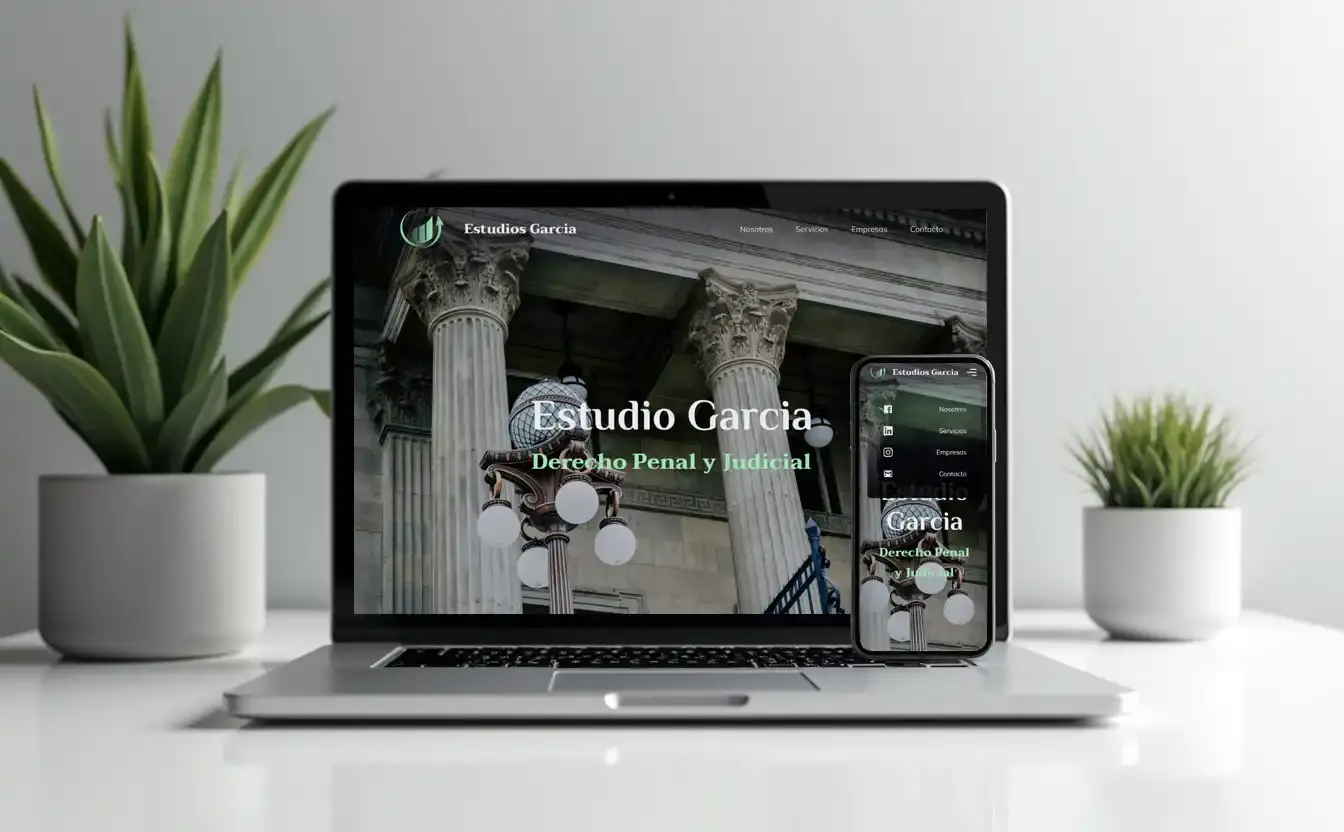
Transform your digital presence with expert website design for law firms. Discover strategies that build trust and drive leads today!
Mastering Website Design for Law Firms
Crafting a strong digital presence is an essential step for any attorney or legal practice aiming to connect with potential clients. When done effectively, website design for law firms can help convey professionalism, trustworthiness, and authority. Moreover, it allows for a user-friendly and engaging experience that inspires visitors to reach out for legal counsel. This guide will explore why websites are a primary point of contact for prospective clients, outline the strategic elements that make a law practice stand out online, and highlight how an optimized digital platform can differentiate your services from a sea of competitors.
An impactful website is more than just an online brochure. It’s a hub where individuals can immediately gauge how you solve their legal needs. From intuitive navigation to compelling design elements, your site can shape how people perceive your practice, determine whether they read further, and decide whether they call for an appointment. By focusing on website design for law firms, you create a user-centered experience that fosters trust and accessibility—two core values in the legal field.
Moreover, the right layout, content structure, and aesthetic choices are powerful tools for emphasizing your practice areas. Whether you specialize in personal injury, corporate litigation, or family law, the way you present your legal expertise online speaks volumes. This is why many choose to collaborate with a law firm website designer who understands both design principles and the nuances of the legal industry. By leveraging professional insights, you position your site as a secure, reliable resource for potential clients who may be overwhelmed by the complexities of the legal landscape.
Another central aspect is consistent branding, which helps visitors remember your practice and differentiate you from competitors. Instead of generic visuals and stock language, elements such as personalized color schemes, tailored imagery, and well-structured content can effectively communicate your firm’s values. This approach sets the foundation for law website design strategies that elevate credibility and show potential clients you’re committed to addressing their unique legal needs.
Developing an engaging and comprehensive site is also about adhering to technical best practices. Search engine optimization (SEO) makes sure your pages rank well on Google, placing you at the top of online searches for the services you offer. By prioritizing fast load speeds, mobile responsiveness, and a clear call-to-action framework, website design for law firms transforms from a mere online presence into a powerful platform for client acquisition. Additional tactics like structured data and local SEO ensure that Google recognizes your site as relevant and trustworthy.
In the chapters that follow, we’ll explore everything you need to know—from the essentials of law firm website design services, to building authority with thoughtful content, to managing security and compliance obligations unique to legal practices. We’ll also discuss how strategic collaboration with a law firm website design company can help organize your content, streamline user journeys, and maintain a consistent brand tone across all pages. Whether you’re a solo practitioner looking to make a mark in a competitive niche or a well-established firm seeking to overhaul a dated design, these insights will guide you toward making a compelling digital statement.
Stay tuned as we delve deeper into the components that shape effective website design for law firms, and discover how careful planning, precision, and creativity can result in a platform that enhances both your reputation and your bottom line.
Mastering the Basics of website design for law firms

Building a solid foundation is crucial when it comes to website design for law firms. By mastering the essentials, law practices can deliver an engaging user experience that resonates with potential clients. This section focuses on three core elements: having a clear online presence, identifying your ideal audience and their legal needs, and setting actionable goals to guide your digital strategy.
Overview of Online Presence for Legal Practices
For lawyers, being discoverable online can make the difference between a steady flow of new business and being overshadowed by competitors. An authoritative website does more than just list legal services; it projects trustworthiness and expertise. By integrating streamlined layouts, concise content, and intuitive navigation, website design for law firms can convey professionalism to clients seeking guidance.
- Mobile Adaptation: With more people researching legal services on smartphones, ensuring that each page auto-adjusts to smaller screens helps capture prospective clients on the go.
- Consistent Branding: From typography to color palettes, a uniform appearance can influence user perception and create an instant sense of reliability.
- Speed & Performance: Fast-loading pages reduce bounce rates and improve user satisfaction. Common optimizations include image compression, server caching, and minimized code.
A robust online presence showcases your firm’s achievements, legal knowledge, and commitment to clients. By combining well-planned design elements, relevant graphics, and clear content, you encourage visitors to delve deeper into your services.
Defining Audience and Practice Areas
Every law practice is unique. Whether you focus on corporate law, personal injury cases, or family disputes, tailoring your approach to your specific clientele can significantly boost engagement. To maximize your website design for law firms:
- Identify Niche Demographics: Who are your ideal clients? Business owners? Individuals seeking personal injury law guidance? Answering these questions shapes your content strategy.
- Customize Content: Prospective clients want to see that you handle problems similar to theirs. Offering detailed explanations of your practice areas can build trust early in the user journey.
- Keyword Research: Incorporate relevant terms—like law website design, law firm website designer, or personal injury law seo—into site copy and metadata to improve your visibility on search engines.
Crafting content around real-life scenarios or frequently asked questions in each practice area helps prospective clients feel understood. For instance, using illustrations or case summaries (without revealing confidential details) can demonstrate how your legal expertise translates into tangible outcomes.
Setting Clear Goals and Objectives
Before diving into the technical details of website design for law firms, it’s essential to pin down clear objectives. Setting measurable goals keeps your project focused and ensures your team—whether in-house or a law firm website design company—knows what success looks like.
- Lead Generation: If increasing case inquiries is a top priority, consider integrating contact forms prominently and strategically.
- Brand Authority: For firms wanting to reinforce their reputation, showcasing awards such as best law firm website design awards or affiliation logos can add credibility.
- User Engagement: If your site aims to educate and inform, plan for interactive elements like blogs, videos, and downloadable resources.
- Compliance & Security: Law practices often handle sensitive data. Secure hosting, SSL certificates, and routine data backups should be included from day one.
By establishing these goals early, you streamline collaboration with a law firm website designer, guide the creation of targeted content, and define performance metrics for ongoing optimization. Over time, measurable milestones—like improved search rankings or increased user interaction—demonstrate the payoff of a clear, goal-oriented approach to website design for law firms.
Important Features in website design for law firms
From captivating visuals to streamlined functionality, certain components can elevate website design for law firms and ensure a positive user experience. When these elements come together seamlessly, they build credibility and help potential clients understand how your services align with their legal needs.
Professional Layout and Visual Hierarchy
Before anyone reads a single paragraph, they will notice the overall look and organization of your site. Professional layouts with deliberate visual hierarchies help visitors quickly identify key information:
- Clear Headers and Subheaders: Using bold typography for titles and subtitles guides users to priority sections.
- Logical Placement of Images: Incorporating relevant photos or custom graphics can reinforce your firm’s credibility.
- Strategic Whitespace: Adequate spacing ensures content remains accessible and easy on the eyes, reflecting a polished, structured approach.
For any law firm website design services, emphasizing legibility and balance enhances brand perception. Engaging fonts, subtle color accents, and purposeful design choices set the tone, conveying competence and reliability.
Intuitive User Navigation
Even the most visually appealing site falters if users struggle to find what they need. In website design for law firms, intuitive navigation fosters a user-friendly environment:
- Menu Simplicity: Group related pages under clear headers, such as “Practice Areas” or “About Us.” Avoid overly complex drop-downs.
- Clickable Contact Options: Prominent phone numbers, email addresses, or appointment buttons increase the likelihood of direct inquiries.
- Breadcrumb Trails: Particularly useful for larger sites, breadcrumb links help visitors keep track of where they are and how to return to main pages.
Streamlined navigation plays a vital role in overall user satisfaction. Incorporating best practices ensures prospective clients can locate essential information—from attorney bios to personal injury law seo resources—without unnecessary clicks.
Branding and Consistency Across Pages
An organized, cohesive brand identity instills confidence in your legal services. Consistency across every page underscores professionalism and helps users remember your firm:
- Unified Color Palette: Align all design elements with a color scheme that complements your logo, fostering a recognizable visual identity.
- Consistent Fonts and Styling: Using standard typography and heading structures across different pages gives the site a professional edge.
- Messaging Alignment: If you’re showcasing accolades like best law firm website design awards, feature them in a uniform style and location to maintain a harmonious appearance.
A clear brand identity speaks volumes about a law firm’s reliability. Whether you specialize in corporate litigation or website development for law firms, consistency in brand presentation projects expertise and sincerity—important qualities for anyone seeking legal counsel.
Building Trust Through website design for law firms
Establishing credibility is a crucial objective in website design for law firms. When prospective clients land on your website, they often want immediate assurance that your legal expertise aligns with their needs. By focusing on transparent communication, authentic personal details, and social proof, you can demonstrate professionalism and reliability. This approach not only helps convert visitors into leads but also solidifies your reputation as a trustworthy advocate.
Crafting an Impactful Attorney Bio Section
Your attorney bio pages play a central role in building rapport:
- Highlight Qualifications: A concise listing of academic credentials, bar admissions, and professional affiliations sets the stage for credibility.
- Personal Touch: Including a brief anecdote or motivation behind your legal career can humanize your profile.
- Client-Focused Language: Express how your experience directly benefits clients, reinforcing that your practice is designed to serve their best interests.
Working with a law firm website designer who understands storytelling techniques can help structure these bios. By striking a balance between formal credentials and approachable narratives, you remind potential clients that your firm offers both expertise and empathy.
Showcasing Practice Areas Effectively
When visitors search for a specific legal service—whether that’s business law or personal injury law seo solutions—clear practice area pages help them confirm you handle their type of case:
- Dedicated Page Structure: Each practice area deserves its own page or section, organized with relevant details and frequently asked questions.
- Targeted Keywords: Incorporate specific phrases such as law website design and website design for law firms to enhance your visibility when potential clients search online.
- Visual Emphasis: Integrate icons or concise visuals to outline key services at a glance.
Transparency in listing your firm’s capabilities increases user confidence. By segmenting these services strategically, you showcase depth of expertise while making it simple for visitors to pinpoint where your help is most relevant.
Incorporating Client Testimonials Without Overdoing It
Nothing boosts reassurance quite like positive experiences from real clients. Testimonials can greatly influence site visitors, but careful moderation is essential:
- Select Impactful Quotes: Highlight comments demonstrating your professionalism, integrity, or successful outcomes.
- Keep It Credible: Avoid stuffing the page with excessive praise. A few compelling remarks are more believable and don’t appear self-promotional.
- Use Verification Where Possible: If ethical guidelines allow, include client initials, company names, or other proof of authenticity.
By featuring personal stories and success anecdotes, law firm website design services become a trust-building vehicle. Balancing client endorsements with other key elements—such as attorney bios or awards—reinforces your credibility. Whether you’ve received best law firm website design awards or handled noteworthy cases, well-placed testimonials can round out the narrative of your firm’s professionalism and competence.
Boosting SEO with website design for law firms

Competing in the digital space means going beyond a great visual layout. Strategic search engine optimization (SEO) ensures your website design for law firms reaches prospective clients precisely when they need legal help. By optimizing key elements and tailoring content to local users, you can transform your online presence into a consistent source of new leads.
On-Page SEO Basics
Effective on-page SEO revolves around properly structured content and thoughtful use of keywords. For instance, a law firm website designer should place relevant phrases—like website design for law firms—in crucial spots such as page titles, meta descriptions, and header tags. Further recommendations include:
- Clear URL Structures: Simple, descriptive URLs help visitors and search engines understand each page’s topic.
- Optimized Images: Use alt text referencing your firm’s services, ensuring accessibility while also boosting keyword relevance.
- Internal Linking: Linking from practice area pages to related blog posts—like those detailing personal injury law seo—makes navigation easier and distributes SEO value throughout the site.
By systematically checking each page’s meta tags, headings, and keyword usage, your site can rank higher for both generic and specialty search queries.
Local SEO Tactics and Geo-Targeting
Many attorneys rely on clients located within a particular region. Tailoring website design for law firms to local traffic helps you stand out in searches specific to your city or state:
- Google Business Profile: Keep your firm’s listing updated with accurate contact information, office hours, and address details.
- Location-Specific Content: Create pages targeting your local community, referencing landmarks or neighborhoods to emphasize personal connection.
- NAP Consistency: NAP stands for Name, Address, and Phone Number. Ensuring consistency across online directories and your law website design can strengthen your local SEO.
Whether you’re trying to reach business owners in metropolitan areas or potential plaintiffs in rural communities, an effective local strategy lets you connect with visitors primed to hire legal counsel.
The Role of Quality Content
Search engines reward websites that supply valuable, relevant information. For website design for law firms, comprehensive content not only helps clients learn more about your expertise but also communicates trustworthiness:
- Blog Posts on Trending Legal Topics: Regularly publish articles explaining new regulations, discussing precedent-setting cases, or exploring nuanced issues.
- Resource Guides: Offer downloadable FAQs or eBooks that detail vital aspects of law—such as tax codes, immigration processes, or personal injury claims.
- Practice Area Deep Dives: Elaborate on each specialty so visitors immediately grasp your firm’s breadth of services, whether you focus on class action lawsuits or law firm website design services for consultation.
High-quality content underlines your firm’s capabilities and signals to Google that your pages deserve higher rankings. In addition, user engagement often surges when visitors find truly insightful materials. Over time, this approach can help you secure industry recognition, including best law firm website design awards, while also building robust brand authority.
Engaging Content for website design for law firms
Inviting potential clients to explore meaningful information on your website can be a powerful differentiator in a crowded legal market. Compelling and varied content not only enhances website design for law firms but also sets the stage for deeper connections with prospective clients. By offering blog posts, audio-visual materials, and ethically compliant messaging, you demonstrate both expertise and authenticity.
Blog Posts and Legal Insights
A consistently updated blog is instrumental in building authority while catering to client questions:
- Topical Relevance: Posts should address timely legal developments, recent case outcomes, or high-level discussions around specific practice areas—such as personal injury law seo strategies.
- Conversational Tone: Even in highly technical content, a clear, direct writing style resonates with both specialists and non-experts.
- Internal Linking: Weave direct links within blog posts leading to cornerstone pages on law website design or law firm website design services, ensuring visitors remain engaged as they read more about your practice.
Well-crafted blog articles humanize your firm and underscore your commitment to client education, which can help boost both credibility and search engine rankings.
Multimedia Elements (Videos, Podcasts)
Incorporating a mix of media within website design for law firms caters to users who prefer visuals or audio:
- Videos Featuring Attorney Insights: Short introductions by attorneys offering actionable tips or clarifying legal processes can quickly build trust.
- Podcasts with Expert Guests: Invite legal professionals or industry thought leaders to share perspectives relevant to your clientele—this shows your firm’s broader network and comprehensive knowledge.
- Platform Integration: Host these media files on your site or embed from reputable platforms. Also, reinforce each segment with descriptive text to aid SEO and accessibility.
By providing an easy-to-consume multimedia experience, you can enrich your website and potentially attract a wider audience.
Compliance with Advertising and Ethics Guidelines
Above all, law firms must uphold professional standards within their online content. While rules vary by jurisdiction, common considerations include:
- Transparent Claims: Avoid promises or guarantees that you can’t substantiate. Misleading information can erode trust and breach ethical rules.
- Client Confidentiality: When sharing success stories or case results, use caution and obtain written permission if any identifying details are included.
- Proper Disclaimers: Ensure statements about attorney-client relationships remain clear. Visitors should understand that viewing your site or downloading resources does not automatically establish legal representation.
Whether your practice is mid-sized or you’re a solo practitioner utilizing website development for law firms, maintaining ethical standards reinforces professionalism. This commitment to integrity, combined with consistent, high-quality content, can help your firm earn recognition such as best law firm website design awards and stand out in local searches.
User-Centric Approach to website design for law firms
Putting user needs at the forefront of website design for law firms helps attract and retain clients by ensuring your online platform is easy to navigate, visually appealing, and considerate of diverse user capabilities. A user-first mentality extends beyond simple aesthetics, encompassing accessibility, calls to action, and iterative improvements based on real-world data.
Accessibility Standards and Readability
Striving for inclusivity in website design for law firms is not only a best practice but also a demonstration of genuine commitment to serving all potential clients:
- Keyboard-Friendly Layouts: Many users rely on keyboards or assistive devices; your design should allow navigation without a mouse.
- Ample Contrast: High-contrast color schemes and clear font choices boost readability, particularly for those with visual impairments.
- Structured Headings and Labels: Semantic HTML markup makes it easier for screen readers to interpret each section properly, meeting guidelines such as WCAG (Web Content Accessibility Guidelines).
By integrating these elements and, when applicable, working with a law firm website designer skilled in inclusive practices, you establish a welcoming environment for a broader audience.
Clear Calls to Action (CTAs)
No matter how appealing your law website design might be, vague or hidden prompts can dampen potential leads:
- Easily Visible Buttons: Prominent, well-labeled CTAs—like “Schedule a Consultation” or “Request a Case Evaluation”—steer visitors toward meaningful engagement.
- Concise Language: Short, direct phrases resonate more effectively than cluttered text. When people see “Call Now,” they immediately grasp the next step.
- Consistency Across Pages: Whether you specialize in personal injury law seo or offer broader law firm website design services, replicate CTAs at strategic points—such as header sections and the end of content pages—to maintain user flow.
An emphasis on transparent, direct calls to action further encourages visitors to reach out, whether they want to request more information or begin an official client relationship.
Data-Driven User Experience Enhancements
Improvements to website design for law firms benefit greatly from ongoing performance tracking:
- Analytics Integration: Tools like Google Analytics or specialized legal marketing platforms reveal traffic sources, user paths, and popular content sections.
- Heatmaps and Session Recordings: Visual data can show where users click or scroll, uncovering areas that attract attention—or points where they abandon pages.
- Incremental Testing: Small-scale changes, such as switching a CTA color or rearranging elements, can be tested via A/B methods for measurable impact on engagement.
By consistently evaluating user behavior, your firm can refine each design element. Whether you partner with a law firm website design company or handle updates internally, iterative data analysis ensures your platform meets real-world demands and stands out from competing website development for law firms projects. Over time, these insights also support long-term goals, including local market expansion, brand recognition, or even earning best law firm website design awards for your commitment to superior user experiences.
Mobile Responsiveness in website design for law firms

In an era where legal clients often begin their attorney search on a smartphone, mobile responsiveness is no longer optional. A mobile-friendly website design for law firms ensures that prospective clients can easily browse your services, read attorney bios, and fill out contact forms—even on the smallest screens. This accessibility often directly translates to increased leads and better user retention.
Adaptive Layouts for Smartphones and Tablets
A responsive layout dynamically reflows page content to fit the viewport, whether that’s a large desktop monitor or a compact mobile screen:
- Flexible Grids: Use proportion-based grids rather than fixed pixel dimensions, allowing each element to resize gracefully.
- Fluid Typography: Scalable text ensures that headings and body copy remain readable across various devices.
- Touch-Friendly Interfaces: Buttons, menus, and interactive components should have adequate spacing to accommodate fingers rather than mouse pointers.
By implementing these best practices, your law website design remains cohesive and user-friendly, even when accessed on tablets and smartphones.
Page Speed Optimization
Long loading times can quickly drive visitors away, especially on mobile devices. Effective speed optimization is a cornerstone of website design for law firms, impacting both user satisfaction and SEO:
- Image Compression: Reducing file sizes without sacrificing quality speeds up rendering.
- Minimized Code: Combining and compressing CSS and JavaScript assets can significantly cut load times.
- Browser Caching: Storing frequently used assets so they don’t need re-downloading every time a user returns.
Google considers site speed as a ranking factor, which makes such optimizations essential for maintaining a competitive edge and potentially securing top search placements for services like personal injury law seo or law firm website design services.
Testing Strategies for Multiple Devices
Ensuring that website design for law firms is truly mobile-responsive calls for rigorous and continuous testing:
- Cross-Device Evaluation: Check how elements render on iOS, Android, and different tablet devices, noting any layout shifts or image distortions.
- Simulation Tools: Leverage platform simulators (e.g., Chrome DevTools) to replicate various screen sizes without needing physical devices.
- Real-World Trials: Whenever possible, load your site on actual phones, tablets, or small laptops to confirm performance in real time.
Regular multi-platform testing pinpoints potential issues before they affect client experiences. By maintaining responsive excellence, your firm can stand out among competing law firm website designer platforms and potentially earn best law firm website design awards for consistent innovation.
Security Best Practices for website design for law firms
In the legal industry, safeguarding sensitive data is a matter of both professional responsibility and reputation. An effective website design for law firms prioritizes client confidentiality, prevents unauthorized access, and upholds trust. This emphasis on security not only protects your firm from digital threats but also reassures prospective clients that you take privacy seriously.
SSL Certificates and Encryption
One of the first steps toward a secure law website design is implementing proper SSL (Secure Sockets Layer) certificates:
- Data Encryption: SSL certs encrypt data exchanges, ensuring client information—such as names, email addresses, and case details—remains confidential.
- Browser Indicators: Many browsers display a padlock icon or highlight “https://” in green when a site is secure, which boosts user confidence.
- Search Engine Boost: Google and other search engines view SSL positively, potentially giving a slight ranking advantage to secure sites offering law firm website design services and beyond.
Regularly renewing your SSL certificates and staying updated on new encryption protocols helps maintain the highest level of protection. Clients who notice a secure connection are more likely to trust your site with their personal information.
Preventing Data Breaches
Whether you run a small legal practice or a large firm, the risk of cyberattacks is real. To guard against data breaches, integrate proactive security strategies into website development for law firms:
- Routine Software Updates: Outdated plugins or content management systems (CMS) can leave critical vulnerabilities. Consistent updates patch known flaws.
- Firewalls and Intrusion Detection: Firewalls block malicious traffic, while intrusion detection systems monitor for suspicious activity targeting law firm website designer platforms.
- Secure Hosting: Rely on reputable hosting providers offering robust security measures. Features like automatic backups, DDoS protection, and server monitoring are particularly valuable.
Protecting client data is especially vital if your site handles sensitive areas—like personal injury law seo forms or class action inquiries—where personal details can be highly confidential.
Building Client Confidence with Secure Contact Forms
Many attorneys rely on online inquiries for lead generation. In website design for law firms, secure contact forms foster trust and prompt potential clients to reach out:
- SSL-Enabled Forms: Ensure all submitted data travels through encrypted channels, safeguarding everything from names to case summaries.
- Clear Privacy Notices: Briefly outline how you handle and store user information, assuring visitors you adhere to ethical guidelines.
- Spam and Bot Filters: Tools like CAPTCHA or honeypot fields deter automated spam, helping you identify legitimate inquiries more easily.
By demonstrating a commitment to security, you encourage more people to submit inquiries confidently. A vigilant approach also builds a foundation for earning recognition like best law firm website design awards, proving that your law firm website design company or in-house team meets high standards of professionalism and trustworthiness.
Enhancing Lead Conversion with website design for law firms
A robust online presence goes beyond merely attracting prospective clients—it also aims to transform visitors into engaged leads. By seamlessly integrating clear calls to action, scheduling options, and in-depth analysis of user behavior, website design for law firms can serve as a powerful funnel that directs potential clients from initial interest to actual engagement. Whether you offer corporate legal services or specialize in personal injury law seo, a data-driven, user-focused approach significantly raises the odds of converting browsing visitors into active clients.
Strategic Placement of Contact Forms
A well-structured and visibly placed contact form is often the first step potential clients take toward connecting with your firm:
- Above-the-Fold Options: Prominently display a contact form or an inquiry button near the top of crucial pages—such as the homepage and practice area sections—to capture leads early.
- Page-Specific Forms: Tailor forms to relevant content. For instance, a personal injury-specific form on a page dedicated to that legal area helps gather targeted inquiries and highlight your law firm website design services.
- Limited Fields: Long, cumbersome forms can deter users. Keep entry points simple, requesting only the information needed to initiate discussions without overwhelming visitors.
Thoughtful placement also saves users from aimless scrolling, reinforcing the convenience and professionalism synonymous with good law website design.
Automated Scheduling Tools
For many busy legal professionals, reducing administrative back-and-forth is a high priority. Incorporating automated scheduling within website design for law firms can streamline the process:
- Calendar Integration: Tools like Calendly or integrated booking software let visitors pick from available time slots, eliminating the need for email exchanges.
- Appointment Reminders: Automated reminders help reduce no-shows, ensuring a higher probability of fruitful client meetings.
- Multi-Platform Syncing: Enabling real-time updates prevents double bookings and confusion across team calendars, fostering efficiency.
This frictionless approach to scheduling also reflects well on your brand, conveying modernity and client-centric service—qualities that can help your firm stand out in a competitive market or even earn best law firm website design awards.
Analytics and Conversion Tracking
Optimizing website design for law firms relies heavily on understanding how visitors engage with various pages, forms, and calls to action:
- Goal Setup in Analytics: Identify what counts as a conversion (e.g., form submissions, newsletter signups) and configure tracking in Google Analytics or similar tools.
- Funnel Visualization: Map out the journey users take to convert, then pinpoint drop-off points where improvements may be necessary, such as simplifying the final step in contact form submission.
- Segmented Data Analysis: Split data by factors like location or practice area interest, revealing whether local traffic or targeted pages—like those focusing on website development for law firms—drive the most meaningful leads.
Continuous monitoring allows your firm to refine strategies and adapt to user feedback. Collaborating with a law firm website designer or a specialized law firm website design company ensures you can act on this data swiftly. Over time, your refined, user-responsive platform will not only enhance conversions but also reinforce your reputation for delivering an exceptional digital experience, signaling that your firm is at the forefront of professional law website design.
Accessibility and Compliance in website design for law firms
Regulatory requirements and ethical guidelines play a significant role in website design for law firms. Ensuring your platform remains accessible to individuals with disabilities and meets the necessary legal standards is not just a moral obligation—it’s also a vital business practice. When visitors of varying abilities can navigate your site easily and trust that the information presented follows professional rules, you elevate both your reputation and your service quality.
ADA-Compliant Website Elements
Law practices often aim to serve as many community members as possible, which makes meeting the Americans with Disabilities Act (ADA) guidelines a foundational aspect of website design for law firms:
- Keyboard-Only Navigation: Users who rely on screen readers or assistive devices must be able to operate every clickable component—menus, links, and forms—without a mouse.
- Text Resizing Controls: Providing scalable font options helps those with visual impairments read legal content without needing external tools.
- Color Contrast Checks: Proper contrast between text and background elements ensures critical information remains visible for visitors with low vision.
Addressing these points goes a long way in preventing lawsuits over inaccessible sites. Whether managed in-house or through a law firm website design company, these adjustments also demonstrate respect for all potential clients, reinforcing trust from the start.
Utilizing Alt Text and Descriptive Links
While images, icons, and infographics can boost engagement, not all users experience them the same way. For those using assistive technologies, website design for law firms benefits from attention to these text-based details:
- Accurate Alt Text: Each image should include an alt attribute describing the visual. For example, a headshot of a senior partner can read “Attorney John Smith, Corporate Law Specialist.”
- Contextual Link Text: Generic phrases like “Click here” tell screen readers nothing about the link’s destination. Instead, opt for descriptive anchors (e.g., “Learn more about our law firm website design services”) so users understand exactly what to expect.
- Accessible PDFs and Documents: If you host legal forms or brochures, ensure these files contain headings, tags, and navigational aids, making them accessible to people who rely on screen readers.
Implementing these guidelines also contributes to stronger SEO, aligning well with local or personal injury law seo strategies by making content more discoverable for search engines.
Regulatory Considerations for Law Firms
Attorneys must navigate ethical and professional standards set by bar associations and governing bodies. Reflecting these obligations in website design for law firms helps prevent compliance issues:
- Clear Disclaimers: Statements explaining how viewing your site or downloading legal resources does not form an attorney-client relationship keep expectations realistic.
- Jurisdictional Statements: Identify where your firm practices and any limitations on client representation if your legal services are confined to certain states or regions.
- Advertising Rules: Some states have stringent guidelines on how attorneys can market their services. Confirm that your law website design doesn’t include overly bold claims or misleading testimonials.
By incorporating accessible design elements and heeding industry regulations, your site can build both respect and loyalty. Potential clients viewing a thoroughly compliant website design for law firms are more likely to trust a practice that cares about inclusivity and follows the rules governing legal advertising. This emphasis on accessibility and ethical transparency can also bolster your standing for prestigious honors, such as best law firm website design awards, reflecting a commitment to excellence and responsibility.
Working with a law firm website designer
Collaborating with a law firm website designer goes beyond mere aesthetics—it’s about partnering with professionals who understand the nuances of website design for law firms. Effective teamwork streamlines the process of building a credible, client-focused platform, allowing you to highlight your specialized practice areas and ultimately foster greater trust among prospective clients.
H3: Evaluating Expertise in Legal Industry Websites
When choosing a law firm website designer, it’s essential to assess their familiarity with law website design specifics:
- Portfolio Review: Examine completed website design for law firms projects or relevant case examples that illustrate a strong command of legal branding and content organization.
- Industry Understanding: Designers with insights into legal marketing—and keywords like personal injury law seo—often create more targeted site structures, ensuring your site resonates with your ideal audience.
- References & Testimonials: Ask about past collaborations or consult industry peers to learn whether the designer delivers on deadlines and adheres to professional standards.
Whether you’re aiming for a comprehensive website development for law firms or a smaller-scale refresh, expertise in the legal sector can significantly reduce the learning curve and translate into an efficient, successful partnership.
Collaboration Techniques for Faster Launch
A speedy turnaround for website design for law firms benefits from clear communication and project management:
- Kickoff Meetings: Start every project with a detailed briefing of your objectives—be it emphasizing law firm website design services or targeting personal injury law seo leads.
- Shared Project Tools: Platforms like Trello, Basecamp, or Asana promote transparency, enabling timely updates and organized file sharing between your team and the law firm website design company.
- Regular Check-Ins: Schedule brief but focused sessions to review mockups, approve design drafts, and maintain momentum. Quick feedback loops often save weeks in the development cycle.
By establishing efficient collaboration practices, you align creative vision with practical needs, reducing back-and-forth revisions and allowing your site to go live sooner.
Budgeting and Cost-Effective Solutions
Budget concerns can influence the scope and quality of website design for law firms. A well-defined plan ensures you invest wisely while avoiding hidden expenses:
- Transparent Quotes: Seek an itemized estimate that clarifies costs for hosting, security features (like SSL), and custom design elements—particularly if you’re also aiming for best law firm website design awards.
- Phased Development: If funds are limited, focus on critical pages first—such as contact and practice area overviews—before scaling up to more specialized pages or advanced functionalities.
- ROI Perspective: Remember that well-optimized law firm website designer projects can yield long-term gains by drawing steady traffic, improving conversion rates, and enhancing your firm’s professional image.
Balancing cost-effectiveness with strategic value positions your firm to stand out in a saturated market. As you refine your online presence, thoughtful budgeting choices help maintain quality while still unlocking the potential of a high-impact website design for law firms.
Choosing a law firm website design company
Selecting the right law firm website design company can greatly influence how effectively your online platform meets client expectations and supports your practice’s growth. A firm experienced in website design for law firms will have the skill set to blend compelling design, efficient functionality, and robust security measures—ultimately helping you stand out in a competitive legal market.
Key Evaluation Criteria (Portfolio, Reviews)
Begin your selection process by inspecting a potential partner’s track record:
- Portfolio Depth: Look for evidence of past work specifically tailored to law website design. Examples of well-organized, intuitive layouts signal an understanding of legal industry needs.
- Client Testimonials: Verify online reviews, especially from peers within your practice area. Feedback on responsiveness, results, and project timelines offers insights into how the law firm website design company handles real-world challenges.
- Legal Branding Experience: Ensure they know how to incorporate professional branding elements for attorneys—like subtle color palettes and formal typography—without sacrificing the user experience or ignoring important services such as personal injury law seo.
A strong portfolio backed by credible endorsements demonstrates an ability to craft high-impact website design for law firms, whether for solo practitioners or large firms seeking advanced functionalities.
Ensuring Transparent Communication
Open dialogue is essential when collaborating with any law firm website designer:
- Initial Consultations: During the earliest meetings, discuss your core objectives, from local lead generation to showcasing credentials for best law firm website design awards consideration.
- Timely Updates: Request regular status updates on wireframes, design drafts, and development milestones. This keeps your team in the loop and prevents small miscommunications from escalating.
- Clear Contracts: Insist on written agreements detailing deliverables, deadlines, and payment terms. Transparency here encourages smooth collaboration and guards against unexpected costs.
When both sides communicate well, website development for law firms proceeds more efficiently, paving the way for a successful launch that reflects your brand accurately.
Long-Term Support and Maintenance
Even after a successful launch, your website design for law firms needs ongoing attention to remain secure, up-to-date, and optimized:
- Regular Updates: Essential for content management system (CMS) patches, plugin enhancements, and design refinements based on evolving user behavior.
- Security Checks: Frequent reviews help detect vulnerabilities before they affect confidential client data—particularly crucial if you handle sensitive practice areas like personal injury law seo.
- Future Growth: As your firm expands, the law firm website design services you require may evolve, necessitating new features, rebranding efforts, or additional pages highlighting niche specialties.
A dedicated law firm website design company offering consistent maintenance will ensure your platform adapts to both technological shifts and the changing demands of legal clients, sustaining your site’s relevance and impact over the long term.
Steps to Launch an Effective website development for law firms
Whether building a brand-new digital presence or refreshing an existing platform, website development for law firms demands thorough planning, organized execution, and a fine-tuned evaluation process. By systematically approaching each phase—from initial wireframes to final usability checks—you set the foundation for a well-structured, user-friendly site that reflects your firm’s professional ethos and supports client engagement.
Planning and Wireframing
Before any coding begins, a clear roadmap ensures efficiency and alignment across stakeholders:
- Define Objectives: Outline the core purpose of the site—lead generation, brand authority, user education, or a combination of these goals. This step is particularly important for aligning website design for law firms with the right practice areas and target audiences.
- Site Architecture: Organize key pages (e.g., “About Us,” “Practice Areas,” “Contact”) into a logical structure. Consider specialized sections for personal injury law seo or frequently asked questions.
- Wireframe Sketches: Create low-fidelity outlines to visualize page layouts, focusing on crucial elements like navigation menus, contact forms, and calls to action. Wireframes serve as the blueprint for collaborative discussions between your team and any law firm website design services provider.
By investing time in thoughtful planning, you lay a solid groundwork that guides subsequent development decisions, preventing costly pivots or redesigns later on.
Content Creation and Content Management Systems
Quality content forms the backbone of website development for law firms, helping attract the right audience and convey trustworthiness:
- Refine Practice Area Descriptions: Use clear, concise language to explain your specialization, incorporating relevant keywords such as law website design, law firm website designer, or best law firm website design awards if you’re highlighting accolades.
- Engaging Legal Articles: Consider how authoritative blog posts or legal guides can answer prospective clients’ questions and boost your site’s overall SEO.
- Select a Robust CMS: Popular platforms like WordPress, Drupal, or Joomla let you easily update text, images, or entire sections without deep technical expertise. A user-friendly CMS is invaluable if you plan to maintain content in-house, rather than relying solely on a law firm website design company.
Ensuring your site offers both accessibility and relevant, well-researched content keeps visitors engaged and more inclined to reach out.
Usability Testing and Final Tweaks
After integrating design elements, content, and back-end functionality, thorough testing ensures your website design for law firms operates as intended:
- Cross-Platform Checks: Confirm that pages load quickly and display correctly across multiple devices (desktop, tablet, mobile) and browsers (Chrome, Safari, Firefox).
- Functionality Validation: Verify contact forms, calendar scheduling tools, and any interactive features for smooth operation. This includes validating SSL certificates and ensuring data encryption for client security.
- Iterative Improvements: Collect feedback from in-house stakeholders or a small focus group. Address minor layout inconsistencies, adjust CTAs, or refine the user flow based on real-world observations.
As you finalize these polishing steps, you set the stage for a successful launch. By adhering to a structured process—encompassing strategic wireframing, content creation, and usability checks—website development for law firms emerges as a seamless, reliable tool for attracting clients, showcasing legal expertise, and reinforcing your firm’s professional identity.
Integrating law website design with Marketing
Forging a powerful synergy between website design for law firms and comprehensive marketing tactics can substantially amplify your online visibility. Rather than treating your website and promotional activities as separate ventures, align them so they complement and strengthen each other. This integration ensures that your firm’s digital presence not only looks professional but also draws traffic, retains prospective clients, and fosters measurable growth.
Cross-Channel Promotion Strategies
Reaching potential clients often involves more than just a single platform. By synchronizing various marketing channels, you can enhance lead generation:
- Social Media Outlets: Broadcast new blog posts, legal updates, and case insights on platforms like LinkedIn or Facebook, directing interested followers back to your website design for law firms.
- Paid Advertising Campaigns: Invest in Google Ads or targeted social ads to capture users searching for legal support. Use landing pages designed by your law firm website designer to streamline conversions.
- Content Syndication: Distribute relevant articles or multimedia elements—such as podcasts or videos—across multiple channels. This approach exposes your high-value content to broader audiences, boosting brand awareness and traffic.
A strategic mix of organic and paid promotion ensures your law website design receives traffic from different sources. By tracking each channel separately, you gain insights into which outlets yield the best results and can tailor future campaigns accordingly.
Email Marketing and CRM Integration
Email remains a powerful method for nurturing leads and keeping past clients informed. Incorporating CRM (Customer Relationship Management) tools with website development for law firms delivers a cohesive experience:
- Subscription Forms: Place clear sign-up options throughout your site—particularly on pages detailing law firm website design services or outlining your practice areas.
- Segmented Lists: Sort subscribers into categories like “Corporate Law Inquiries” or “Personal Injury Law SEO Interest,” then send targeted content that resonates with their needs.
- Automated Drip Campaigns: Welcome new subscribers with a sequence of emails that highlight your core services, notable achievements (including best law firm website design awards), and relevant blog posts.
When these emails consistently direct readers back to engaging website content, you nurture trust while gradually guiding potential clients toward official consultations or retained services.
Tracking Campaign ROI
Evaluating the impact of each marketing effort clarifies whether your investment is yielding tangible benefits:
- Dedicated Landing Pages: Assign unique URLs for specific promotions—like a social media campaign on personal injury or a paid ad for estate planning—to measure visitor engagement accurately.
- Analytics Dashboards: Tools like Google Analytics offer real-time data on user behavior, bounce rates, and conversions, revealing which campaigns are most successful.
- Conversion Funnels: Visualizing the path from initial website visit to completed inquiry or appointment highlights weak points. For instance, if visitors leave before scheduling a consult, an experienced law firm website design company can refine your calls to action or contact form placement.
Consistent performance reviews help you refine both marketing content and law website design, ensuring your lead generation and retention strategies remain effective. Over time, you’ll make data-driven decisions to optimize budget allocation, reinforce successful tactics, and ultimately bolster your reputation within the legal community. This ongoing commitment to measuring and refining marketing outcomes is integral to achieving a dynamic, growth-oriented website design for law firms.
Awards and Recognition: best law firm website design awards
Pursuing excellence in website design for law firms involves more than just attracting clients and showcasing legal specialties. Recognition from respected industry bodies or professional organizations can highlight your commitment to creative, user-centric design. These accolades not only validate your firm’s online presence but also serve as a testament to the high standards maintained by your law firm website designer or law firm website design company.
Importance of Industry Acknowledgments
Earning best law firm website design awards provides tangible proof that your firm’s digital platform stands out:
- Enhanced Credibility: Potential clients often see formal acknowledgments as an indicator of quality and professionalism. Placing award badges on your site—whether for law website design or website development for law firms—can immediately boost trust.
- Peer and Public Recognition: Receiving accolades can elevate your firm’s profile within the legal community, distinguishing you as a leader in law firm website design services.
- Recruitment Appeal: Ambitious talent is drawn to organizations recognized for excellence. A track record of awards may help attract qualified attorneys and support staff.
When prospective clients notice your commitment to top-tier design, they feel more confident about engaging with your services.
Applying Winning Design Practices
Often, projects that receive best law firm website design awards share certain successful strategies:
- User-Centered Layouts: Exceptional website design for law firms emphasizes clarity, intuitive navigation, and mobile responsiveness—all factors that resonate positively with award panels.
- Technical Excellence: Fast load times, reliable security protocols (SSL encryption, secure hosting), and advanced personal injury law seo or localized optimization can set your site apart.
- Consistent Branding: Visual cohesion across every page—from fonts and color schemes to attorney bios—reinforces your identity and resonates with both clients and award judges.
Pinpointing standout elements in prior winning entries can guide your own enhancements. Whether you’re refining an existing design or beginning anew, attention to these practices sustains a level of quality that resonates with external evaluators and clients alike.
Leveraging Awards in Marketing Materials
An award is more than a trophy—it’s also a powerful marketing tool:
- Prominent Display: Feature award seals or logos on your homepage, especially near contact forms and testimonials. Strategic placement underscores your proven expertise in website design for law firms.
- Social Media Announcements: Spread the word across LinkedIn, Facebook, or Twitter, linking back to your site’s relevant pages—such as law firm website designer portfolios or your range of law firm website design services.
- Client-Facing Communication: Reference awards in email newsletters or blog posts to demonstrate continual improvements in service offerings.
By integrating award recognition into your broader marketing strategy, you validate your status as a firm that consistently invests in cutting-edge website development for law firms. The result is a distinctive brand presence that aligns with client expectations, encourages referrals, and further cements your reputation for excellence.
A Note on personal injury law seo in website design for law firms
While general SEO can be effective for many types of practices, personal injury law seo often requires a more specialized approach. The competition for clients in the personal injury field—ranging from car accident cases to slip-and-fall incidents—can be especially fierce, making it crucial for firms to invest in strategies that align with this high-demand niche. By incorporating focused keyword research, location-based content, and well-structured pages, law practices can improve their visibility and attract more potential plaintiffs.
Targeting Specific Practice Areas Online
One of the key considerations for personal injury law seo is ensuring your digital presence caters to each sub-category of personal injury:
- Dedicated Service Pages: Separate content for car accidents, wrongful death, medical malpractice, or workplace injuries helps you rank for niche-specific queries and resonates with potential clients seeking a particular type of legal representation.
- Local and Regional Relevance: Many personal injury cases are location-dependent. Incorporate region-specific keywords—like city or county references—to optimize your site for local searches.
- Resource Guides: Present user-friendly articles or Q&A sections explaining legal procedures and common questions about personal injury claims. This not only supports website design for law firms but also positions you as a trusted information source.
These specialized pages speak directly to individuals experiencing that specific issue, increasing the likelihood of conversions.
Boosting Visibility for Competitive Niches
Personal injury law is one of the most competitive legal niches online, requiring a strategic blend of on-page and off-page optimizations:
- Keyword-Rich Content: Balancing user-friendly copy with targeted terms—like law website design, law firm website designer, or specific case types—helps Google identify your site as relevant.
- Long-Tail Keywords: Rather than competing for broad terms, aiming for more detailed queries (e.g., “Phoenix personal injury attorney for rideshare accidents”) can yield higher-quality leads.
- High-Authority Backlinks: Partnerships or guest articles on reputable legal sites can improve your domain authority and, by extension, your site’s ranking potential.
This two-tier approach (technical and content-driven) strengthens your online foothold and helps distinguish your firm from competing lawyers who also prioritize website development for law firms featuring personal injury services.
Measuring Success with Keyword Rankings
After implementing personal injury law seo techniques, tracking progress is essential to refine and maintain your website’s performance:
- Rank Monitoring Tools: Specialized SEO platforms can track your positions for keywords such as “car accident attorney near me” or “personal injury claim process,” providing insights on how well your website design for law firms is performing.
- Traffic and Conversion Analysis: Studying metrics within Google Analytics—like bounce rates, average session duration, and contact form submissions—highlights the effectiveness of each optimized page.
- Ongoing Adjustments: If certain pages aren’t converting or ranking as expected, adjust your meta tags, on-page content, or internal linking strategies. A law firm website design company or in-house SEO expert can help identify where improvements are most needed.
By monitoring these metrics regularly, you can maintain competitive search engine positions and attract the steady stream of leads necessary for sustaining a thriving personal injury practice.
Call to Action
A well-planned call to action sets the tone for how prospective clients engage with your firm. Whether you’re showcasing website design for law firms or promoting specific legal services, strong CTAs guide visitors toward the next step in forming a meaningful professional relationship.
Encouraging Readers to Contact Our law firm website design services
For legal professionals looking to stand out online, tapping into expert law firm website design services can make all the difference. By aligning aesthetic choices and technical enhancements, our collaborative approach ensures each project accurately reflects your firm’s unique voice:
- Rapid Response: Prompt handling of inquiries expedites the journey from initial interest to a formal consultation.
- Tailored Strategies: Whether it’s a solo practitioner needing local visibility or a large practice competing for best law firm website design awards, projects receive customized roadmaps aimed at delivering the highest impact.
Engaging a law firm website designer not only refines your digital presence but also positions your practice to attract high-value clients.
Highlighting Unique Value and Expertise
For any law firm website design company, expertise goes beyond creating aesthetically pleasing layouts. Focus on combining technological know-how with proven legal marketing practices, such as personal injury law seo or structured website development for law firms. By doing so, you cultivate a platform that reflects:
- Brand Cohesion: Consistent messaging across all pages—whether for law website design or broader practice area pages—reinforces a unified brand identity.
- Optimized Reach: Search engine visibility is prioritized, helping prospective clients find your legal services quickly.
- Future-Ready Infrastructure: Adaptive features keep pace with emerging online trends, from mobile responsiveness to secure data handling.
Underscoring these advantages emphasizes the value a dedicated law firm website designer brings in boosting credibility and long-term ROI.
Invitations for Consultations or Free Assessments
After exploring your site, users should feel encouraged to take the next step:
- Concise Contact Forms: Straightforward submission fields reduce friction, prompting more visitors to book a consultation.
- Direct Scheduling Links: Automated calendar integrations allow potential clients to pick a suitable time, making it easier to initiate conversations about website design for law firms or specific legal inquiries.
- Clear Calls to Action: Strategically placed “Contact Us” or “Request a Free Assessment” buttons guide users toward further engagement, whether they’re looking for law firm website design services or exploring specialized practice areas.
A compelling call to action transforms a passive site visit into a practical opportunity for visitors to learn how your firm can address their needs. This strategic approach paves the way for deeper relationships and supports your overall goals in website design for law firms.