


Discover reliable small business website development services. Upgrade your site today for growth and visibility. Start your success now!
Small Business Website Development Services
In today’s highly competitive business environment, having a professional website is no longer optional—it’s essential. A well-designed website acts as a digital storefront, showcasing your products or services to potential customers 24/7. For small businesses, this means an opportunity to level the playing field and compete with larger organizations by establishing a robust online presence. However, achieving this requires more than just a visually appealing site. It demands thoughtful planning, expert execution, and seamless functionality.
This is where small business website development services come into play. With services tailored specifically to meet the needs of small enterprises, business owners can get a custom-built, professional website that enhances their brand credibility and drives customer engagement. From working with website developers for small business to creating SEO-optimized designs, these services ensure that every aspect of your site is crafted to help your business thrive online.
Professional website development for small businesses doesn’t just mean putting together a website; it’s about designing a platform that aligns with your brand, captures your target audience, and drives measurable results. Whether you’re looking for a sleek landing page, a multi-page corporate website, or advanced SEO optimization for small business websites, partnering with the right experts can help you unlock your business’s full potential.
Stay tuned as we delve deeper into the advantages of small business website development services, the critical features of a successful small business website, and actionable tips to ensure your website stands out in the competitive digital space.
Why Small Businesses Need Professional Website Development Services
The Importance of a Strong Online Presence
In a world where consumers increasingly rely on the internet to discover, evaluate, and purchase products or services, having a strong online presence is crucial for small businesses. A professionally developed website serves as the foundation of this presence, acting as a hub where potential customers can learn more about your brand, browse your offerings, and even make purchases.
Unlike social media profiles or directory listings, a custom website gives you complete control over your brand’s image and messaging. Through professional small business website development services, you can create a platform that reflects your unique value proposition and builds trust with your audience. An expertly designed website can turn casual visitors into loyal customers by providing an intuitive, engaging, and seamless experience.
For many small businesses, working with the best website developers for small business ensures that their websites are optimized for functionality, design, and performance. These developers understand the specific needs of small enterprises, such as budget constraints, localized targeting, and scalability, and deliver tailored solutions to address these challenges.
Why Choose Professional Website Development?
- Customization and Branding:
- Your website should represent your brand’s identity, not just a generic template. Professional website development for small businesses ensures every detail, from color schemes to layouts, aligns with your goals and resonates with your target audience.
- Optimized for Search Engines:
- Appearing in search results is critical for visibility. Developers offering small business website development services integrate SEO strategies, such as fast-loading pages, keyword-optimized content, and responsive design, to ensure your site ranks well and attracts more organic traffic.
- Mobile Responsiveness and Usability:
- A majority of users access websites through mobile devices. With professional help, your website will deliver a seamless user experience across all devices, increasing customer satisfaction and retention.
- Enhanced Credibility:
- A poorly designed website or no website at all can harm your credibility. Partnering with the best website developers for small business ensures your site looks polished, professional, and trustworthy—critical factors in converting visitors into customers.
- Scalability for Growth:
- Professional websites are built to grow with your business. Whether you plan to add e-commerce functionality, integrate booking tools, or expand into new markets, expert developers can create a scalable solution tailored to your vision.
Investing in website development for small businesses is not just an expense—it’s an investment in the growth and future of your business. With the right professionals by your side, your website becomes a powerful tool for driving engagement, generating leads, and increasing revenue.
Key Features of a Successful Small Business Website
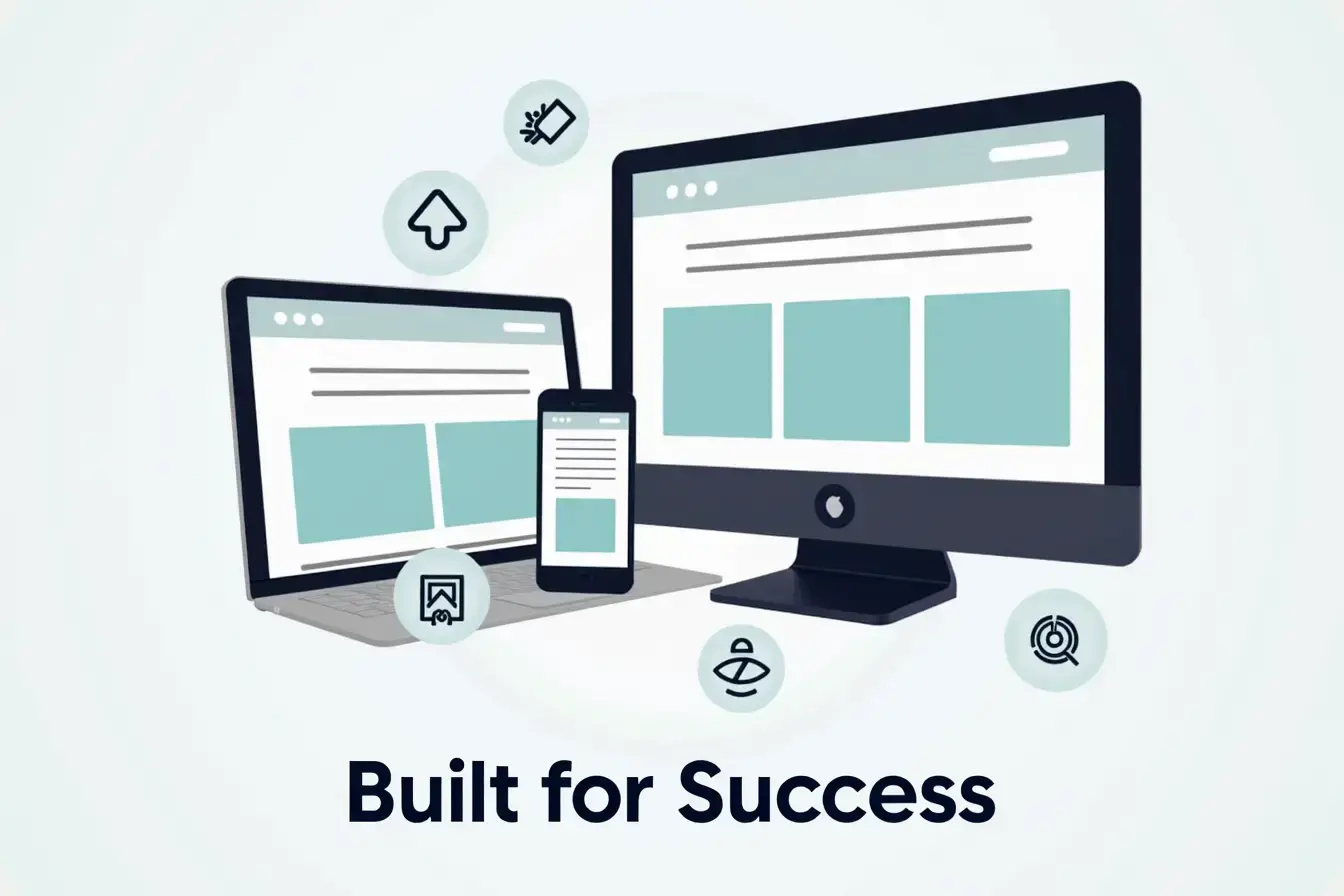
A successful small business website is more than just an online placeholder. It’s a dynamic tool designed to engage visitors, rank well in search engines, and convert traffic into customers. Below are the key features every small business website must include to maximize its potential.
Mobile Responsiveness
With over half of web traffic coming from mobile devices, having a responsive design is no longer optional—it’s essential. A responsive website ensures your content looks great and functions perfectly on all devices, from desktops to smartphones. Not only does this improve the user experience, but it also boosts your search engine rankings, as Google prioritizes mobile-friendly websites.
Here’s a simple example of how to implement responsive design using HTML and CSS:
<meta name="viewport" content="width=device-width, initial-scale=1">
<style>
  body {
    font-family: Arial, sans-serif;
    margin: 0;
    padding: 0;
  }
  .container {
    max-width: 1200px;
    margin: auto;
    padding: 20px;
  }
  @media (max-width: 768px) {
    .container {
      padding: 10px;
    }
  }
</style>
<div class="container">
  <h1>Welcome to Your Small Business Website!</h1>
  <p>This site is optimized for all devices.</p>
</div>
- Why it matters:
- Improves user experience, reducing bounce rates.
- Complies with Google’s mobile-first indexing policies, improving SEO rankings.
- Ensures your small business remains accessible to all users, regardless of device.
SEO-Friendly Structure
An SEO-friendly website structure helps search engines crawl and index your site effectively while improving your site’s visibility in search results. Small business website development services prioritize clean, semantic HTML to ensure your website is optimized for search engines.
Key practices include:
- Use of semantic HTML:
Utilize<h1>for the primary title,<h2>for main sections, and<h3>for subsections to create a logical content hierarchy. - Meta Tags:
Add descriptive<meta>tags to help search engines and users understand your content.
Example:
Optimize Alt Text for Images:
Include descriptive keywords in image alt attributes to improve searchability and accessibility. Example:
<img src="small-business-design.jpg" alt="Custom small business website design services">
- Internal Linking:
Interconnect pages within your website to guide visitors and search engines effectively. For example, link your “Services” page from your homepage.
Intuitive Navigation
Clear and intuitive navigation is critical for retaining visitors and reducing frustration. Users should be able to find the information they’re looking for quickly and easily, regardless of where they land on your site.
Best Practices for Navigation Design:
- Keep Menus Simple:
- Limit the number of menu items to 5-7 to avoid overwhelming users.
- Use clear labels, such as “Home,” “About Us,” “Services,” and “Contact.” Example:
<nav>
  <ul>
    <li><a href="index.html">Home</a></li>
    <li><a href="about.html">About Us</a></li>
    <li><a href="services.html">Services</a></li>
    <li><a href="contact.html">Contact</a></li>
  </ul>
</nav>
Add a Search Functionality:
- Include a search bar for sites with extensive content. Example:
<form action="/search" method="get">
  <input type="text" name="q" placeholder="Search...">
  <button type="submit">Go</button>
</form>
Use Breadcrumbs:
- Breadcrumb navigation helps users understand where they are within your site’s hierarchy. Example:
<nav aria-label="breadcrumb">
  <ol>
    <li><a href="index.html">Home</a></li>
    <li><a href="services.html">Services</a></li>
    <li>Small Business Website Development</li>
  </ol>
</nav>
- Sticky Navigation:
- Keep the main menu visible as users scroll down, making it easy to access important links at all times.
Why Intuitive Navigation Matters:
- Enhances user experience by reducing frustration and confusion.
- Encourages visitors to explore your site further, increasing engagement.
- Improves search engine rankings as search engines prioritize sites with low bounce rates and high usability.
How to Choose the Best Website Developers for Small Business
Choosing the right developer is one of the most critical steps in ensuring the success of your small business website. A good website developer doesn’t just build a functional site—they create a platform that aligns with your brand, engages your audience, and supports your business goals. Below are key factors to consider when selecting the best website developers for small business.
Evaluate Their Portfolio
A developer’s portfolio is a direct reflection of their skills, experience, and design style. Reviewing their past work gives you insight into the quality and versatility of their small business website development services.
Key things to look for in their portfolio:
- Experience with Small Business Websites:
- Check if they have worked on projects similar to yours. Small business websites often have unique requirements like local SEO optimization, simple navigation, and cost-effective solutions.
- Aesthetic and Functional Design:
- Does their previous work demonstrate a balance between visual appeal and usability?
- Diversity of Platforms:
- See if they have experience with platforms like WordPress, Shopify, or custom builds.
- Testimonials or Case Studies:
- Look for client reviews or results achieved through their work.
Example Question to Ask:
- Can you show me examples of website development for small businesses in my industry?
Technical Expertise
A great website developer should possess the technical skills necessary to create a site that performs well, is easy to maintain, and has the flexibility to grow with your business. Understanding their technical expertise is crucial in ensuring that they can deliver a high-quality website tailored to your needs.
Key Technical Skills to Look For:
- Frontend Development Skills:
- Proficiency in HTML, CSS, and JavaScript to design responsive and visually appealing interfaces. Example Code Snippet:
<div class="hero-section">
  <h1>Welcome to Our Small Business Website</h1>
  <p>We create professional websites tailored to your needs.</p>
</div>
<style>
  .hero-section {
    text-align: center;
    background-color: #f4f4f4;
    padding: 50px 20px;
  }
</style>- Backend Development Expertise:
- Familiarity with server-side technologies like PHP or Python to build secure and scalable websites.
- Experience with CMS Platforms:
- Knowledge of platforms like WordPress or Shopify is critical for small business websites, as they are cost-effective and easy to manage.
- SEO Implementation:
- Expertise in incorporating SEO best practices into the website’s design and content structure.
- Security Protocols:
- Proficiency in implementing SSL certificates, firewalls, and other measures to protect your website and customer data.
Example Question to Ask:
- Do you have experience with WordPress or Shopify? How do you ensure websites are SEO-optimized and secure?
Communication and Support
Building a website is a collaborative process, and effective communication is key to ensuring your vision is brought to life. Additionally, ongoing support ensures that your website remains functional and up-to-date after launch.
What to Look for in Communication and Support:
- Clear Communication:
- The developer should take the time to understand your goals, answer your questions clearly, and provide regular updates on the project’s progress.
- Timely Responses:
- Quick response times indicate reliability and a commitment to customer satisfaction.
- Post-Launch Support:
- Confirm that the developer offers maintenance services, such as updating plugins, fixing bugs, and making minor tweaks when necessary.
- Training for Your Team:
- If you plan to manage the website yourself, ensure the developer can provide training on using the CMS or platform.
Example Questions to Ask:
- How often will we communicate during the development process?
- What post-launch support services do you offer?
Key Services Offered by Small Business Website Development Companies
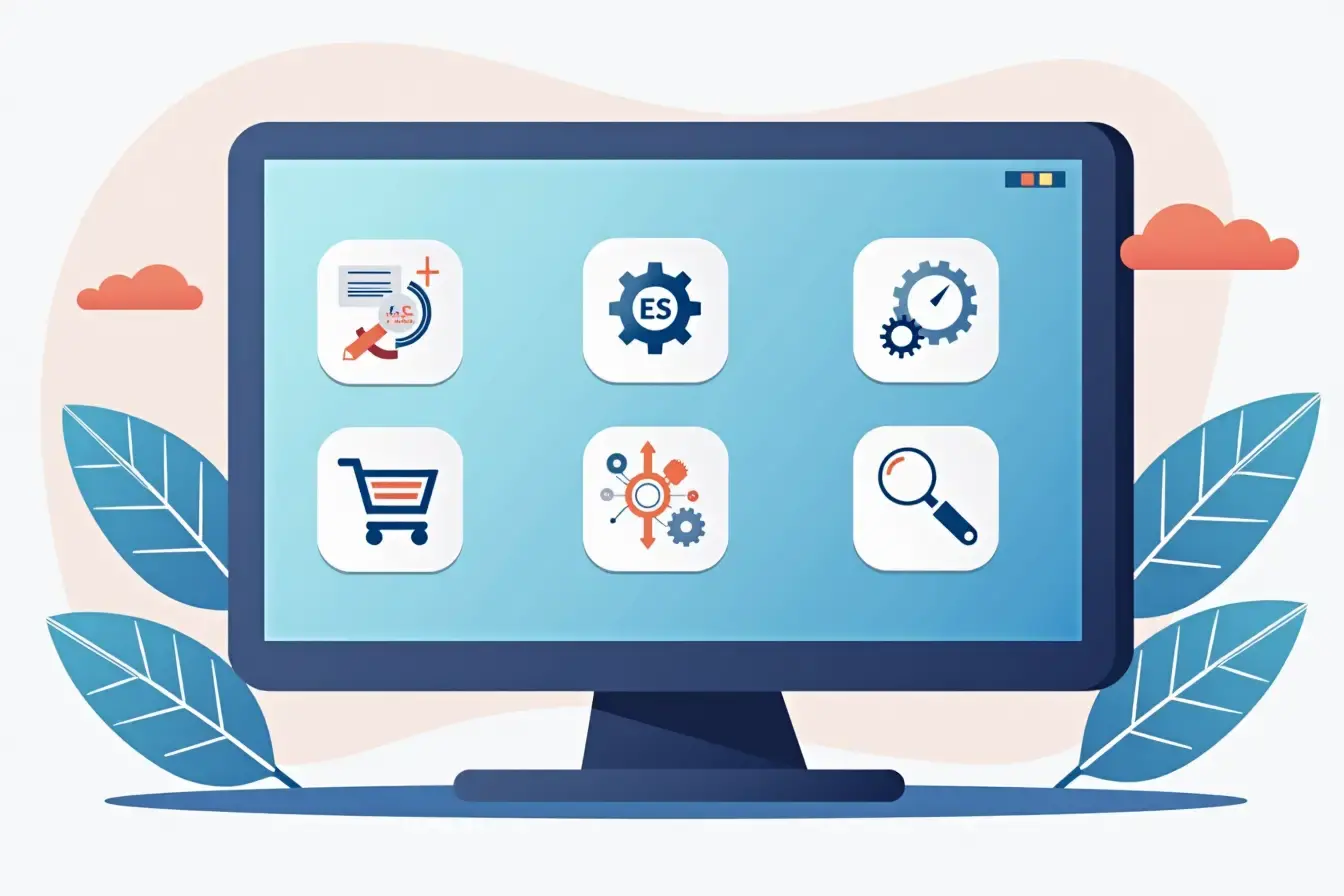
Small business website development companies offer a range of services designed to meet the unique needs of small enterprises. These services go beyond simply building a website—they focus on creating a platform that enhances brand presence, improves customer engagement, and supports business growth. Below are the essential services provided by professionals in small business website development services.
Website Design and Development
Website design and development are the cornerstone of any professional web development service. A well-designed website ensures your brand makes a strong first impression and provides an intuitive experience for visitors.
What’s included:
- Custom Website Design: Tailored layouts and branding elements to align with your business goals.
- Responsive Design: Ensuring your website looks and functions seamlessly across devices.
- Interactive Features: Integration of forms, galleries, and other interactive elements to enhance engagement.
- Technology Stack: Utilizing platforms like WordPress, Shopify, or custom HTML/CSS for scalable and secure websites.
Why it matters: A professionally designed website builds trust with your audience and establishes credibility, which is especially critical for small businesses competing in crowded markets.
Landing Page Creation
Landing pages are highly focused web pages designed to drive specific actions, such as signing up for a newsletter, purchasing a product, or requesting a consultation. They are an essential tool for small businesses looking to capture leads or promote specific campaigns.
Features of a High-Converting Landing Page:
- Clear Call-to-Action (CTA): Encourages users to take a specific action, like “Contact Us” or “Get a Free Quote.”
- Optimized for SEO: Includes targeted keywords like website development for small businesses to improve search engine rankings.
- Fast Loading Speed: Ensures users don’t leave before the page fully loads.
- A/B Testing Capability: Helps determine which version of the page performs better.
Example Use Case: A small bakery might use a landing page to promote catering services, complete with a lead capture form and a CTA like “Book Your Event Today.”
Corporate Website Development
Corporate websites are designed to showcase professionalism and provide detailed information about a business’s services, team, and history. While often associated with larger businesses, corporate websites can also benefit small businesses aiming to position themselves as industry leaders.
Key Features of Corporate Websites:
- About Us Section: Highlights your company’s story, mission, and values.
- Service Pages: Details each service you offer with a clear breakdown of benefits.
- Contact Page: Includes a contact form, location map, and social media links for easy communication.
- Secure Hosting: Ensures data protection and site reliability.
Why it matters: Corporate websites elevate your brand’s credibility and position your business as a trusted authority in your industry.
SEO Optimization
SEO (Search Engine Optimization) is essential for small business websites to gain visibility in search engine results. Without SEO, your website may struggle to attract organic traffic and reach potential customers.
Key SEO Services:
- Keyword Research: Identifies relevant search terms like best website developers for small business and small business website development services to target.
- On-Page SEO: Optimizes meta tags, alt text, headings, and URLs.
- Local SEO: Helps small businesses rank higher in local search results by leveraging Google My Business and localized keywords.
- Technical SEO: Improves site speed, mobile-friendliness, and crawlability.
Why it matters: SEO ensures your website is easily discoverable by search engines and potential customers, helping drive traffic and increase sales.
Website Maintenance
Launching a website is just the beginning—ongoing maintenance is critical to ensure it continues to perform well and remains secure. Regular updates prevent downtime, improve user experience, and protect against vulnerabilities.
What’s included in maintenance services:
- Content Updates: Adding new blog posts, images, or product listings.
- Technical Updates: Ensuring plugins, themes, and software are up-to-date.
- Bug Fixes: Addressing any issues that arise after launch.
- Performance Monitoring: Tracking site speed and user behavior to identify areas for improvement.
- Backup and Security: Regular backups and malware protection to safeguard your data.
Why it matters: A well-maintained website remains functional, secure, and optimized for performance, keeping users satisfied and engaged.
By offering these core services—website design and development, landing page creation, corporate website development, SEO optimization, and website maintenance—small business website development companies ensure that businesses have a strong, professional, and high-performing online presence. These services not only help attract visitors but also convert them into loyal customers, driving long-term growth and success.
Step-by-Step Guide to Small Business Website Development
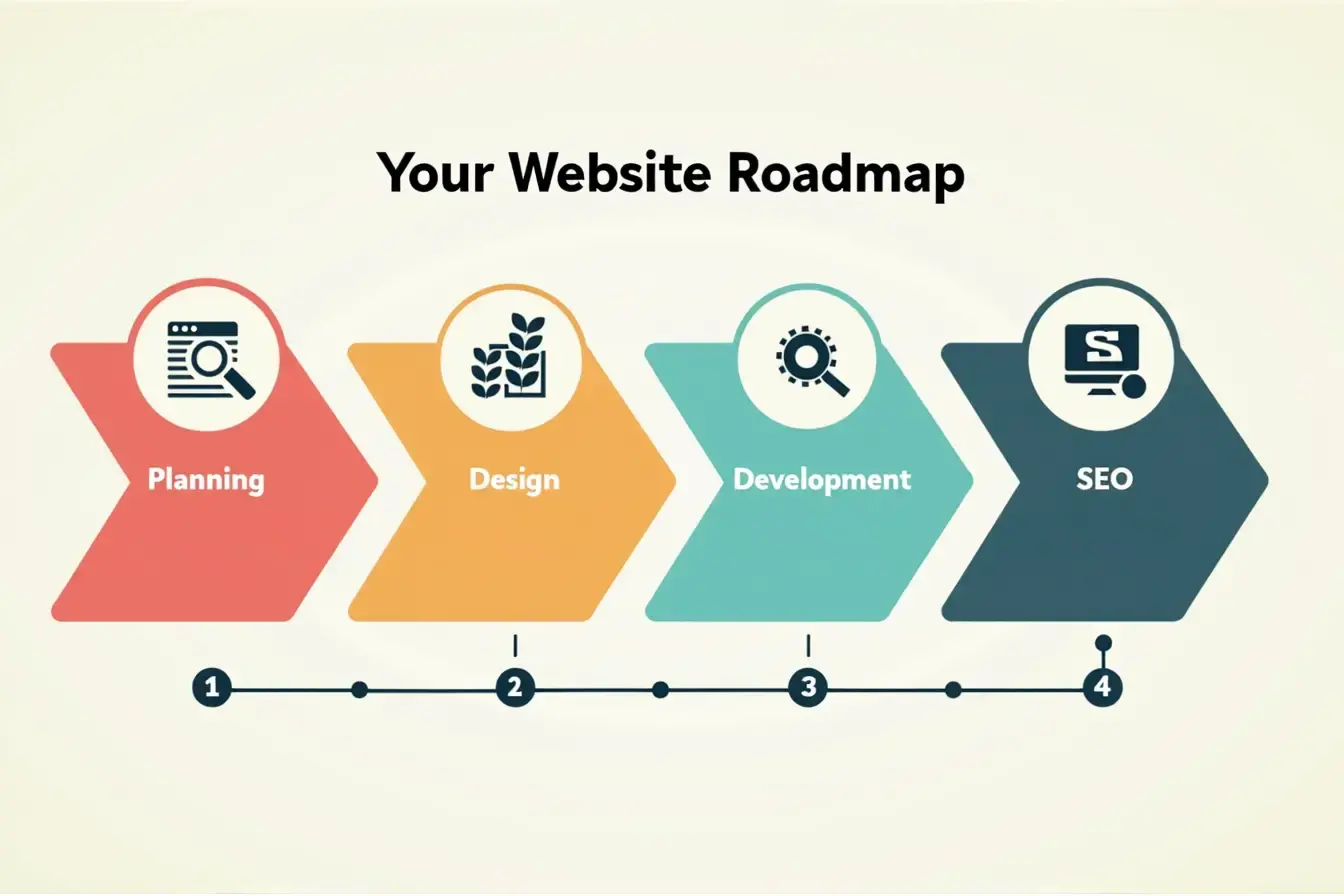
Building a website for your small business requires a clear strategy and an organized approach to ensure that it meets your business goals, appeals to your target audience, and performs well online. Here’s a step-by-step guide to help you navigate the process of small business website development services effectively.
Planning Your Website
The first step in developing a website is defining its purpose and objectives. A well-planned website ensures that every feature and design element aligns with your business goals.
Key considerations:
- Purpose: What do you want your website to achieve? Examples include generating leads, selling products, or showcasing your services.
- Target Audience: Define who your website is for. Understanding your audience helps tailor the design, tone, and functionality to their preferences.
- Key Features: Decide on essential features, such as contact forms, e-commerce capabilities, or a blog.
- Competitor Research: Analyze your competitors’ websites to identify strengths and areas for differentiation.
Example Objective:
A small coffee shop might create a website to display its menu, promote local events, and allow customers to order online.
Designing the Website
Website design plays a crucial role in attracting and retaining visitors. A professional, user-friendly design builds trust and encourages users to engage with your content.
How to create an engaging layout:
- Clean and Intuitive Navigation: Organize menus logically to help users find what they need quickly.
- Consistent Branding: Use consistent fonts, colors, and imagery that align with your brand identity.
- Call-to-Action (CTA): Place clear CTAs like “Get a Free Quote” or “Shop Now” prominently on the page.
- Use Visual Hierarchy: Highlight important elements, such as headings and buttons, by using contrasting colors and larger fonts.
Best Practices for Design:
- Keep the layout simple and uncluttered.
- Use high-quality images to showcase your products or services.
- Make sure buttons and links are large enough to tap on mobile devices.
Developing the Website
Development involves building the technical framework and functionality of your website. Selecting the right technologies and platforms ensures that your website is scalable, secure, and easy to maintain.
Technologies and Platforms to Consider:
- Content Management Systems (CMS):
- WordPress: Ideal for blogs, service-based businesses, and general websites.
- Shopify: Great for small businesses focused on e-commerce.
- Wix or Squarespace: User-friendly options for simple websites.
- Frontend Technologies:
- HTML, CSS, and JavaScript: For custom designs and advanced functionality.
- Backend Technologies:
- PHP or Python: For server-side development.
- Database Integration: Use MySQL or MongoDB for dynamic websites.
- Security Measures:
- Install SSL certificates to secure customer data.
- Implement firewalls to protect against cyber threats.
Example Question to Consider:
Does your business require custom features like an online booking system or a customer portal?
Optimizing the Website for SEO
Search Engine Optimization (SEO) ensures that your website ranks well in search engine results, driving organic traffic to your site. Below is an SEO checklist to help optimize your website:
Technical SEO Checklist:
- Mobile-Friendly Design: Ensure your site is responsive on all devices.
- Page Speed Optimization: Use tools like Google PageSpeed Insights to identify and fix speed issues.
- Secure Site: Install SSL certificates for HTTPS encryption.
- Structured Data: Add schema markup to help search engines understand your content.
Content SEO Checklist:
- Use Targeted Keywords: Incorporate phrases like small business website development services, website development for small businesses, and best website developers for small business throughout your site.
- Write Descriptive Alt Text for Images:
<img src="small-business-team.jpg" alt="Expert small business website development services">
- Optimize Headings and Subheadings: Use a proper hierarchy with
<h1>for titles,<h2>for main sections, and<h3>for subsections. - Internal and External Links: Include links to other pages on your site and relevant external resources.
Sample SEO Meta Tag Example:
<meta name="description" content="Affordable and professional small business website development services. Optimize your website for better user engagement and search engine ranking.">
<meta name="keywords" content="small business website development services, website development for small businesses, best website developers for small business">
Why SEO Matters:
Optimizing your website for search engines helps potential customers find your business more easily, increasing traffic, leads, and sales.
Tools and Platforms for Small Business Website Development
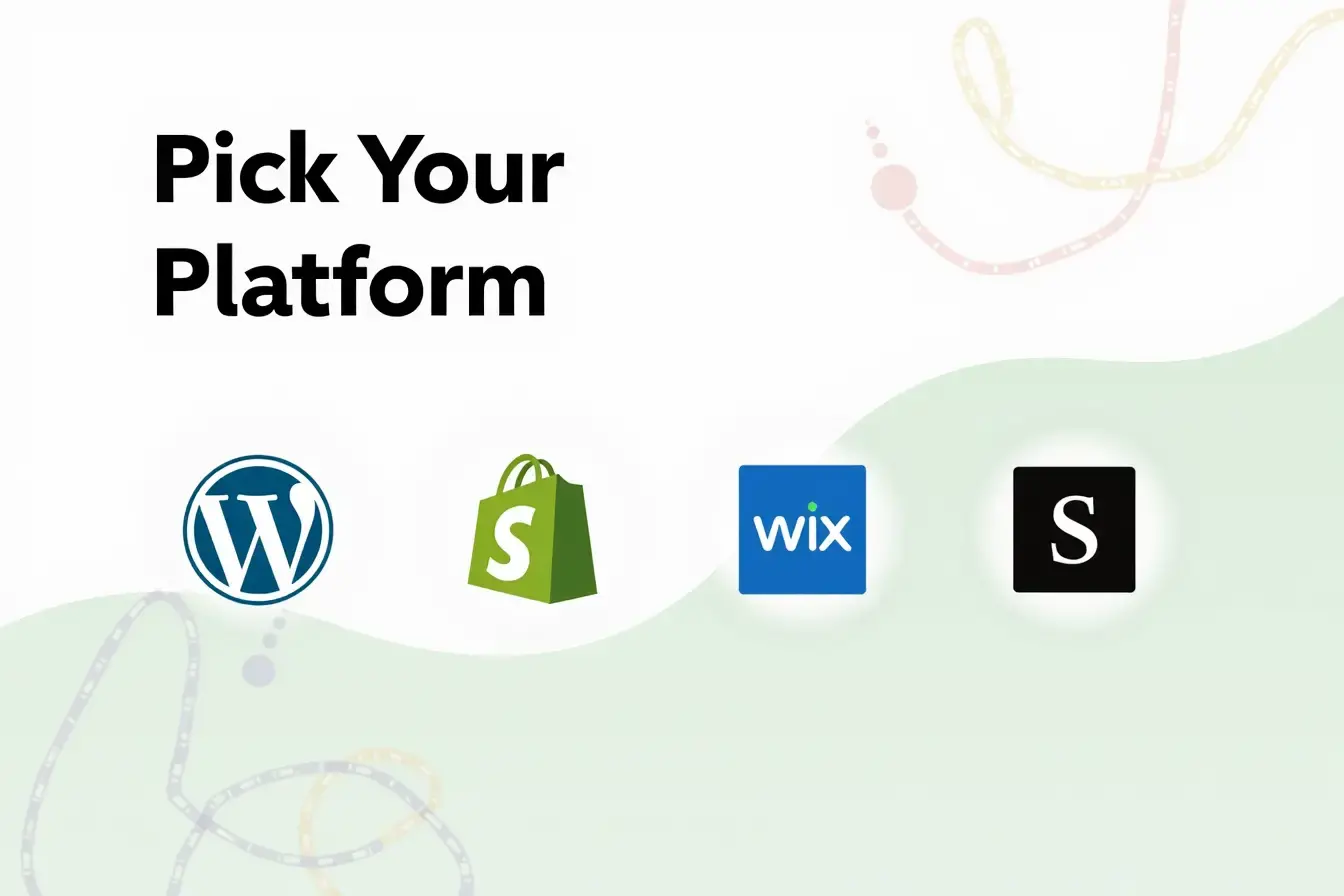
Choosing the right tools and platforms for your small business website is essential for creating a functional, scalable, and cost-effective solution. Below, we explore some of the most popular platforms used for small business website development services, their pros and cons, and the integration of third-party tools to enhance your website’s functionality.
WordPress
WordPress is one of the most widely used content management systems (CMS) in the world. It is ideal for small businesses that require flexibility, scalability, and customizability.
Pros:
- Highly Customizable: Thousands of themes and plugins to tailor your website to your specific needs.
- SEO-Friendly: Built-in features like customizable permalinks, meta tags, and SEO plugins like Yoast.
- Scalable: Suitable for everything from small blogs to large e-commerce stores.
- Community Support: A vast community of developers and resources for troubleshooting.
- Cost-Effective: Free to use, with paid options for premium themes and plugins.
Cons:
- Steeper Learning Curve: May require some technical knowledge to set up and manage.
- Maintenance: Needs regular updates to themes, plugins, and core software.
- Hosting Required: You’ll need to purchase and manage web hosting separately.
Best For: Small businesses that need a flexible and scalable platform, such as blogs, service websites, or e-commerce stores.
Shopify
Shopify is a dedicated e-commerce platform designed to help businesses sell products online. It’s a great option for small businesses focused on retail.
Pros:
- User-Friendly Interface: Easy to set up and manage, even for beginners.
- Integrated E-Commerce Tools: Includes payment gateways, inventory management, and shipping integrations.
- Secure and Reliable: Shopify handles hosting, SSL, and security for you.
- Third-Party Integrations: Supports apps and plugins for marketing, analytics, and more.
Cons:
- Monthly Subscription Costs: Plans start at $29/month, with additional costs for premium apps and themes.
- Limited Design Flexibility: While customizable, it’s not as flexible as WordPress.
- Transaction Fees: Additional fees if you don’t use Shopify Payments.
Best For: Small businesses focused on selling physical or digital products online.
Wix
Wix is a beginner-friendly website builder with a drag-and-drop interface. It’s perfect for small businesses that want a quick and easy way to build a professional website.
Pros:
- Ease of Use: No technical skills are required to create and customize your site.
- Affordable Plans: Includes hosting, SSL, and templates in one package.
- Built-In Tools: Offers features like blogging, galleries, and basic SEO tools.
- Templates: A wide range of pre-designed templates to choose from.
Cons:
- Limited Scalability: Not ideal for complex websites or large e-commerce stores.
- Limited Flexibility: Customization options are more restricted compared to platforms like WordPress.
- Ads on Free Plans: Free plans include Wix branding, which isn’t ideal for professional use.
Best For: Small businesses needing a simple, cost-effective website without advanced features.
Squarespace
Squarespace is another all-in-one website builder that emphasizes beautiful design and ease of use. It’s a popular choice for creatives and small businesses looking for an aesthetically pleasing website.
Pros:
- Stunning Templates: Known for sleek, modern, and mobile-responsive designs.
- Built-In Features: Includes hosting, SSL, blogging tools, and basic e-commerce functionality.
- User-Friendly: Intuitive drag-and-drop editor with minimal setup required.
- Reliable Hosting: Includes high-quality hosting and excellent site uptime.
Cons:
- Higher Pricing: Plans start at $16/month and go up for advanced e-commerce features.
- Limited Customization: Less flexible than WordPress for advanced features or designs.
- SEO Limitations: Basic SEO tools are available but not as robust as WordPress.
Best For: Small businesses prioritizing design and simplicity, such as photographers, artists, or boutique shops.
Integration of Third-Party Tools
Regardless of the platform you choose, integrating third-party tools can enhance your website’s functionality and help you manage your business more effectively. Below are some essential integrations:
- Analytics Tools:
- Google Analytics: Track visitor behavior, traffic sources, and conversions.
- Hotjar: Monitor user interactions with heatmaps and session recordings.
- Customer Relationship Management (CRM):
- HubSpot CRM: Manage customer relationships, email marketing, and lead generation.
- Salesforce: Advanced CRM for growing businesses with complex needs.
- Marketing Tools:
- Mailchimp: Automate email marketing campaigns and manage subscriber lists.
- Hootsuite: Schedule and manage social media posts.
- E-Commerce Tools:
- Stripe or PayPal: Offer secure payment processing options for your customers.
- WooCommerce (for WordPress): Turn your WordPress site into an online store.
- SEO Plugins:
- Yoast SEO (for WordPress): Optimize your site’s content for search engines.
- Rank Math: A beginner-friendly SEO plugin for WordPress.
- Customer Support Tools:
- Live Chat Plugins: Add live chat functionality to engage with customers in real-time.
- Zendesk: Comprehensive customer service and support platform.
By selecting the right platform—be it WordPress, Shopify, Wix, or Squarespace—and integrating the necessary third-party tools, you can create a small business website that is tailored to your specific needs. Each platform has its strengths and is suited to different types of businesses, so carefully assess your goals and resources before making a decision.
Cost of Small Business Website Development
When planning a small business website, understanding the costs involved is crucial. The total cost of small business website development services depends on various factors, such as the complexity of the design, the functionality required, and ongoing maintenance. Below is a breakdown of the typical costs associated with building and maintaining a small business website.
Breakdown of Costs:
- Design:
- Custom layouts, branding, and user-friendly interfaces.
- Cost: $500 – $2,000 for basic designs; $2,000+ for advanced designs.
- Development:
- Backend setup, coding, and adding functionality like contact forms or e-commerce.
- Cost: $1,000 – $5,000 depending on complexity.
- Hosting:
- Web hosting services to make your website accessible online.
- Cost: $5 – $50/month depending on the hosting provider and plan.
- Maintenance:
- Ongoing updates, bug fixes, and security patches.
- Cost: $100 – $500/month or more, depending on the level of service.
Example Pricing Table:
| Service | Estimated Cost | Description |
|---|---|---|
| Basic Website Design | $500 – $2,000 | A simple 5-page site with basic features. |
| Advanced Custom Website | $2,000 – $5,000 | Custom design, advanced features, and integrations. |
| SEO Optimization | $500 – $1,500/month | Ongoing SEO services to boost rankings. |
| Website Hosting | $5 – $50/month | Web hosting services to keep your site live. |
| Website Maintenance | $100 – $500/month | Ongoing updates, security patches, and support. |
Common Challenges in Small Business Website Development
Developing a website for a small business often comes with its unique set of challenges. Limited resources, technical hurdles, and ensuring a professional-grade final product can be difficult to balance. Below, we explore the most common challenges faced in small business website development services and practical strategies to overcome them.
Limited Budgets
For small businesses, working with a tight budget is one of the biggest challenges when creating a website. Allocating resources effectively while ensuring a high-quality site requires careful planning.
How to Overcome:
- Prioritize Features: Focus on essential features first, such as a home page, about page, contact form, and service descriptions. You can add more advanced features as your business grows.
- Leverage Cost-Effective Platforms: Use platforms like WordPress or Wix, which provide affordable options for building professional websites without the need for extensive custom coding.
- Use Free Resources: Start with free themes, plugins, and stock images, upgrading to premium options only when absolutely necessary.
- Hire Freelancers or Agencies Specializing in Small Businesses: Many developers and agencies offer cost-effective packages tailored for small businesses.
Technical Constraints
Many small business owners lack the technical expertise required to build or manage a website, making it challenging to create a functional and visually appealing site.
How to Overcome:
- Choose Beginner-Friendly Platforms: Use tools like Wix or Squarespace that offer drag-and-drop interfaces and minimal technical setup.
- Hire Professionals: Partner with website developers for small business who specialize in creating websites with minimal technical involvement from the business owner.
- Invest in Training: If you plan to manage the website yourself, take advantage of online tutorials, courses, and guides to learn the basics of website management.
- Automate Maintenance: Use plugins or services that handle routine tasks like updates, backups, and security scans to minimize the technical workload.
Ensuring Mobile Compatibility
With the majority of internet traffic coming from mobile devices, creating a mobile-responsive website is non-negotiable. Small businesses often struggle to ensure their site works seamlessly on all screen sizes.
How to Overcome:
- Use Responsive Design Templates: Many website builders like WordPress, Wix, and Shopify offer pre-built templates that are automatically responsive.
- Test Your Website Across Devices: Use tools like Google’s Mobile-Friendly Test or BrowserStack to ensure your site works on different screen sizes.
- Focus on Mobile-First Design: Build your website with mobile users as the primary audience. This includes optimizing buttons for touchscreens, ensuring quick load times, and minimizing large, unoptimized images.
Overcoming These Challenges
Successfully addressing these challenges requires a mix of smart decision-making, leveraging technology, and working with the right experts. Here’s a summary of solutions:
| Challenge | Solution |
|---|---|
| Limited Budgets | Use cost-effective platforms like WordPress or Wix, prioritize essential features, and hire developers specializing in small businesses. |
| Technical Constraints | Choose user-friendly platforms, outsource to professional developers, and invest in training for website management basics. |
By acknowledging and addressing these challenges head-on, small businesses can build a high-performing, professional website that meets their needs without breaking the bank. Remember, the key is to balance affordability with functionality and scalability for future growth. Best Practices for Website Development for Small Businesses
Creating a website for a small business involves more than just an attractive design. To ensure your website performs effectively, adheres to industry standards, and serves your audience well, following best practices is essential. Below are key best practices that every small business should consider when developing their website. Fast-Loading PagesWebsite speed plays a critical role in both user experience and search engine rankings. Visitors are more likely to leave your site if it takes longer than a few seconds to load. How to Achieve Fast-Loading Pages:
Why It Matters:
Accessible DesignAccessibility ensures that your website can be used by all individuals, including those with disabilities. Not only is this a moral imperative, but it also broadens your audience and ensures compliance with legal standards such as the Americans with Disabilities Act (ADA). Best Practices for Accessible Design:
Readable Fonts and Contrast: Use clear, legible fonts and ensure there’s sufficient contrast between text and background.ARIA Roles: Use ARIA (Accessible Rich Internet Applications) attributes to improve screen reader compatibility. Example: Why It Matters:
Integration with Social MediaSocial media integration enhances your website’s visibility, makes sharing content easier, and drives traffic from social platforms. How to Integrate Social Media:
Embedded Feeds: Display live social media feeds directly on your website. Example (Facebook Embed): Social Sharing Buttons: Allow visitors to share blog posts or products on their social accounts with one click. Example: Why It Matters:
Regular Updates and MaintenanceKeeping your website updated ensures optimal performance, security, and user experience. Neglecting maintenance can result in broken features, slow loading times, or vulnerabilities to cyberattacks. Best Practices for Maintenance:
Why It Matters:
By implementing these best practices—fast-loading pages, accessible design, social media integration, and regular updates and maintenance—your small business website can deliver an exceptional experience to users while driving growth and success. Following these steps ensures that your website stays competitive, compliant, and user-friendly. Measuring the Success of Your WebsiteOnce your small business website is live, it’s essential to measure its success and performance. Tracking key metrics allows you to identify what’s working, what needs improvement, and how to maximize your website’s effectiveness. Below, we outline the tools you can use to measure performance and the most important metrics to monitor. Tools to Track PerformanceUsing the right tools ensures you have access to accurate and actionable data about your website. Here are some popular tools for small business website tracking:
Metrics to MonitorMonitoring key performance indicators (KPIs) helps you evaluate the effectiveness of your website in achieving its goals. Below are the most critical metrics to track: 1. Website TrafficTraffic represents the number of visitors coming to your website. It’s a foundational metric that provides insight into your site’s reach and visibility.
2. Bounce RateThe bounce rate refers to the percentage of visitors who leave your website after viewing only one page. A high bounce rate can indicate that visitors are not finding what they need.
3. Conversion RateThe conversion rate measures the percentage of visitors who complete a desired action, such as filling out a contact form, signing up for a newsletter, or making a purchase.
Example Table of Metrics and ToolsBy using tools like Google Analytics and tracking metrics such as traffic, bounce rate, and conversion rate, you can continuously optimize your website to meet your business goals. Regular monitoring helps identify trends, address weaknesses, and capitalize on opportunities to grow your online presence effectively.
|
What is the typical cost for small business website development services?
How long does it take to develop a small business website?
What features are essential for a small business website?
A clear and engaging homepage.
An “About Us” page to build trust.
Service or product pages with detailed descriptions.
A contact page with a form, phone number, and address.
Mobile responsiveness and fast loading speeds.
Integration with social media and SEO optimization.