



Replace your page with this guide on SEO for doctor websites. Boost visibility and attract patients with expert tips!
SEO for Doctor Websites
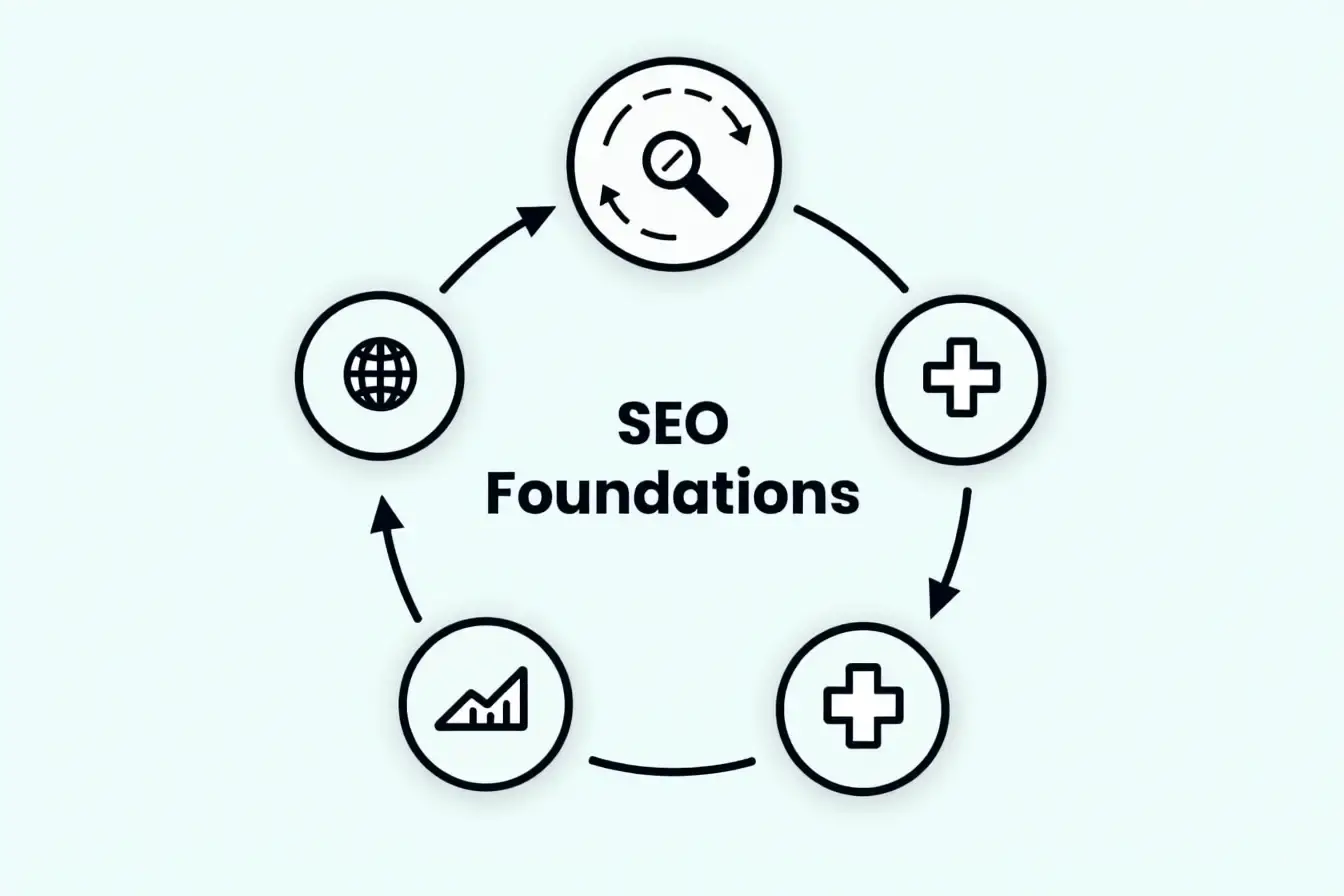
In the competitive landscape of healthcare, standing out online is not just beneficial; it’s essential. SEO for Doctor Websites is the cornerstone of digital marketing for medical professionals. By optimizing your site, you not only enhance visibility on search engines but also directly connect with patients searching for healthcare services. This section will dive into the foundational aspects of SEO tailored specifically for doctors, exploring why it’s crucial and how it can transform your practice’s online presence.
Why SEO is Crucial for Doctors
- Attracting New Patients: With the majority of patients now turning to search engines to find local healthcare providers, effective SEO ensures your practice appears when they need you most. Keywords like Doctor Website Creation and doctor website design become pivotal in capturing these searches.
- Building Trust and Credibility: A well-optimized site not only ranks higher but also signals to users that your practice is reputable and professional. This perception can be the deciding factor for patients choosing between multiple healthcare options.
- Competitive Edge: With more medical practices going online, those who invest in SEO for doctor strategies gain a significant advantage. It’s not just about being seen; it’s about being seen first.
The Unique Challenges of SEO in Healthcare
- Compliance with Regulations: SEO for healthcare must navigate around sensitive issues like HIPAA compliance. Information must be handled with care to protect patient privacy while still being accessible to search engines.
- Managing Online Reputation: Doctors need to manage their online reputation meticulously. Negative reviews or outdated information can severely impact SEO efforts. Hence, strategies for seo doctor must include reputation management.
- Educational Content vs. Marketing: Balancing the need for educational content with marketing can be tricky. Patients seek information, but they also want to see the expertise of the doctor. This balance is crucial in Doctor Website Development.
Setting the Stage for Success
To embark on SEO for Doctor Websites, you must first understand your audience – from general health seekers to those with specific medical needs. Your strategy should include:
- Keyword Optimization: Utilizing keywords like Doctor Website Creation, doctor website design, and SEO for doctor effectively. These should be naturally embedded in your content, meta descriptions, and titles.
- Quality Content: Providing valuable, original content that addresses patient concerns while subtly promoting your services.
- User Experience: Ensuring your website is not only SEO-friendly but also user-friendly, with fast load times, easy navigation, and mobile optimization.
By laying this foundation, your journey towards mastering SEO for Doctor Websites begins. This approach not only aims at ranking higher but also at genuinely serving the community by making healthcare information and services more accessible.
SEO for Doctor Websites, techniques
SEO isn’t just a buzzword; for medical practices, it’s a vital strategy that can define the success of your digital presence. Here, we delve deeper into why SEO specifically tailored for doctors is indispensable and the unique challenges that come with it.
Why SEO Matters for Medical Practices

- Importance of Online Visibility for Attracting Patients:
- In an era where patients start their healthcare journey online, being visible in search engine results is crucial. When someone searches for medical services, terms like Doctor Website Creation or doctor website design should lead them directly to your practice. This visibility not only increases the likelihood of attracting new patients but also puts your practice on the map for those who might not have known about you otherwise.
- Impact of SEO on Patient Acquisition and Practice Growth:
- SEO drives organic traffic, which is often more qualified than paid traffic because these individuals are actively seeking healthcare services. By ranking high for keywords like SEO for doctor, you’re essentially advertising to an audience already in the market for what you offer. This can lead to a significant increase in patient numbers, thereby fueling growth. Moreover, SEO’s impact is cumulative; once you rank well, maintaining that position becomes easier, leading to sustained growth over time.
Unique Challenges in SEO for Doctor Websites
- HIPAA Compliance and Patient Privacy Considerations:
- Healthcare providers must navigate the complex landscape of patient privacy laws. SEO strategies must ensure that while optimizing for search engines, no sensitive patient information is exposed. This includes careful content management, secure site practices, and ensuring that any patient interaction or information sharing on the site is HIPAA compliant.
- Managing Reputation and Trust Through SEO:
- Trust is paramount in healthcare. SEO for doctors involves not just optimizing content but also managing online reputation. This means dealing with reviews, ensuring factual accuracy in information provided, and maintaining an up-to-date, professional website. Negative content or outdated information can tarnish the reputation, affecting not only SEO rankings but also patient trust. Practices like doctor website design must include elements that foster trust, such as clear credentials, certifications, and patient testimonials, all while optimizing for doctors seo.
By understanding these facets of SEO, medical practices can better tailor their online strategies to not only improve visibility but also build a trustworthy digital presence. This dual focus on SEO and patient-centric considerations forms the backbone of effective SEO for Doctor Websites.
Key Components of SEO for Doctor Websites
Implementing SEO for doctor websites involves a multi-faceted approach. Here, we explore the key components that are essential to craft an effective SEO strategy tailored to the medical sector.
Keyword Research for Medical SEO

- Identifying High-Impact Keywords like Doctor Website Creation, doctor website design:
- Start with broad keywords that define your practice’s services but dive deeper into niche terms. Tools like SEMrush can help identify which keywords are bringing traffic to competing medical sites. Focus on terms that potential patients might use when seeking medical help or information.
- Long-Tail Keywords for Specific Treatments or Services:
- Patients often use detailed queries when looking for specific treatments or conditions. Keywords like “best SEO for doctor for pediatric care” or “urgent care doctor website design” can capture niche markets with less competition but high intent.
On-Page SEO Techniques
- Doctor Website Development – Content Optimization, Meta Tags, URL Structure:
- Every page should be optimized with relevant keywords in the content, title tags, meta descriptions, and headers. URLs should be clean, descriptive, and include keywords where possible. For example, a page could be titled “Best Practices in Doctor Website Development“.
- Importance of Mobile Optimization in Website Development for Doctors:
- With many patients using mobile devices to search for healthcare services, your site must be mobile-friendly. This includes responsive design, fast loading times on mobile, and ensuring all functionalities work across devices.
Technical SEO
- Site Speed, Security (HTTPS), and Structured Data for Medical Services:
- A fast-loading site not only improves user experience but also SEO rankings. Security through HTTPS is non-negotiable, especially with sensitive health data. Implementing structured data (like schema for medical practices) can enhance how search engines interpret and display your content.
Local SEO Strategies
- Local SEO Doctors Marketing – Leveraging Google My Business:
- Ensure your Google My Business listing is complete with up-to-date information, photos, and responds to reviews. This is critical for local searches where patients are looking for doctors in their vicinity.
- Importance of Local Citations and NAP Consistency:
- Your practice’s Name, Address, and Phone number (NAP) should be consistent across all online listings. Local citations in directories, health forums, or community websites can significantly boost local SEO.
Content Marketing for Doctors
- Blogging on Health Topics, Educational Content, and Patient Engagement:
- Regularly publishing insightful blogs on health topics, treatment options, or preventive care can position your practice as a thought leader. This content should be optimized for keywords like seo doctor to attract organic traffic while educating patients.
Link Building in Healthcare
- Strategies for Gaining Backlinks from Authoritative Health Sources:
- Backlinks from reputable medical sites, health blogs, or educational platforms can significantly boost your site’s authority. This could involve guest blogging, participating in health-related webinars, or getting listed in medical directories.
Each of these components plays a crucial role in building a comprehensive SEO strategy for doctor websites, ensuring that your practice not only ranks well but also engages and educates the community it serves.
Advanced SEO Tactics for Doctor Websites

To stay ahead in the competitive healthcare market, adopting advanced SEO tactics can provide a significant edge. Here are some sophisticated strategies tailored for doctor websites:
Voice Search Optimization
- Adapting Content for Voice Queries Related to Medical Services:
- With the rise of smart devices and voice assistants, optimizing for voice search is becoming indispensable. Think about how patients might ask about medical services or health information using natural language. Phrases like “Where can I find a doctor near me” or “What treatments are available for chronic pain” should be targeted. Answer these queries directly on your site with content formatted in a conversational tone, aiming to provide the exact information someone might ask for verbally.
Schema Markup for Healthcare
- Enhancing Search Visibility with Health-Specific Rich Snippets:
- Schema markup allows search engines to understand the content of your site better and display it more effectively in search results. For healthcare, this could mean using specific schema types like “MedicalOrganization,” “MedicalCondition,” or “MedicalProcedure.” This can lead to rich snippets that might show your practice’s hours, services offered, or even direct answers to health-related questions, enhancing click-through rates from search results.
User Experience (UX) and SEO
- Improving Site Navigation, Accessibility, and Engagement Metrics:
- A seamless user experience directly impacts SEO through metrics like bounce rate, time on site, and pages per session. Here’s how to optimize:
- Site Navigation: Make sure your website is easy to navigate with a clear menu structure, especially for medical terms or services. Include a search function for users to find specific information quickly.
- Accessibility: Ensure your site is accessible to all users, including those with disabilities. Use proper alt text for images, ensure color contrast ratios are high, and provide text alternatives for any non-text content. This not only improves SEO but also broadens your audience.
- Engagement Metrics: Content should be engaging, with interactive elements like quizzes on health topics, symptom checkers, or appointment booking systems. Videos, infographics, and easy-to-read blog posts can keep users engaged, reducing bounce rates and signaling to search engines that your site provides value.
- A seamless user experience directly impacts SEO through metrics like bounce rate, time on site, and pages per session. Here’s how to optimize:
By implementing these advanced tactics, your medical website can not only rank better in search engine results but also provide a more intuitive, informative, and user-friendly experience for those seeking medical help or information. This holistic approach to SEO ensures that your practice is not just seen but also experienced positively by potential patients.
SEO Tools and Analytics for Doctors

Leveraging the right tools and analytics can transform the way you approach SEO for your medical practice. Here’s how you can use these resources effectively:
Monitoring SEO Performance
Use of Tools Like Google Analytics, Moz, and SEMrush for Tracking:
- Google Analytics: This tool is indispensable for understanding your website’s traffic, user behavior, and conversion paths. Track metrics like page views, session duration, and bounce rate to gauge user engagement with your medical content. Set up goals to monitor actions like appointment bookings or contact form submissions.
- Moz: Moz provides insights into your site’s link profile, keyword rankings, and site crawl errors. It’s particularly useful for tracking your SEO for doctor keywords’ performance over time, helping you understand where you stand against competitors.
- SEMrush: Excellent for keyword research and competitive analysis, SEMrush can show you not only what keywords your competitors are ranking for but also suggest new keywords you might not have considered. Use it to monitor your Doctor Website Creation and doctor website design rankings, and to analyze your backlink profile.
By regularly reviewing data from these tools, you can adjust your SEO strategies based on real performance metrics, ensuring that your efforts are aligned with actual patient interest and search trends.
SEO Audits for Doctor Websites
- Regular Checks for SEO Health and Optimization Opportunities:
- Site Speed and Mobile Usability: Tools like Google PageSpeed Insights or GTmetrix can help identify speed issues on your site. Since mobile searches for medical services are common, ensure your site performs well on all devices.
- Content Audit: Regularly review your site’s content for relevance, quality, and SEO optimization. Look for outdated information, update articles, and ensure all content uses the latest SEO practices like appropriate keyword usage (e.g., SEO for doctor), meta descriptions, and internal linking.
- Technical SEO Audit: Use tools like Screaming Frog SEO Spider or Ahrefs to crawl your website for technical issues like broken links, improper use of tags, or missing alt texts. Check for HTTPS implementation, XML sitemap updates, and robots.txt file settings.
- Backlink Audit: With Ahrefs or Moz, assess the quality and relevance of your backlinks. Remove or disavow toxic links that could harm your site’s authority or rankings.
- Accessibility and Usability: Tools like WAVE or Google’s Lighthouse can help ensure your site is accessible to all users, which indirectly boosts SEO through better user engagement metrics.
Performing SEO audits at least quarterly allows you to catch and fix issues before they significantly impact your rankings or user experience. This proactive approach ensures your doctor website remains optimized, competitive, and compliant with search engine best practices.
Ethical SEO Practices for Medical Websites
The healthcare sector demands a high level of integrity, not just in medical practice but also in digital marketing strategies like SEO. Here’s how to ensure your SEO practices remain ethical and compliant:
Avoiding Black Hat SEO
Risks of Non-Compliant SEO Tactics in Healthcare:
- Black hat SEO techniques, such as keyword stuffing, cloaking, or buying links, can lead to severe penalties from search engines, significantly damaging your site’s visibility. For a medical website, these practices can have additional consequences:
- Legal Repercussions: Misleading or false information can lead to legal issues, especially under health regulations like HIPAA in the U.S.
- Loss of Trust: Patients rely on medical websites for accurate health information. Manipulative SEO tactics can erode trust, which is paramount in healthcare.
- Short-term Gains, Long-term Losses: While black hat methods might temporarily boost rankings, the eventual penalties or bans can be catastrophic for a medical practice’s online presence.
Instead, focus on creating value-driven content, ethical link-building, and transparent practices that prioritize patient well-being over quick ranking improvements.- Black hat SEO techniques, such as keyword stuffing, cloaking, or buying links, can lead to severe penalties from search engines, significantly damaging your site’s visibility. For a medical website, these practices can have additional consequences:
SEO and Compliance with Medical Standards
- Balancing SEO with Ethical Medical Information Dissemination:
- Accuracy and Veracity: All content should be fact-checked, up-to-date, and sourced from credible medical literature. Avoid using SEO as an excuse to dilute or manipulate medical advice.
- Patient Privacy: SEO efforts must never compromise patient privacy. This includes how data is collected, stored, and used on your website. Ensure that your site’s SEO doesn’t inadvertently expose or misuse personal health information.
- Regulatory Compliance: Whether it’s HIPAA in the U.S., GDPR in Europe, or other local health regulations, your SEO strategy must comply with these standards. This might mean limiting certain types of content or how you collect user data for SEO purposes.
- Content for Education, Not Just for SEO: While keywords like SEO for doctor are important, the primary goal should be to educate and inform. Use SEO to make sure this valuable content reaches those who need it, not just to game search rankings.
- Transparency in Marketing: If you engage in any form of medical marketing, be transparent about your affiliations, endorsements, or financial relationships that might influence the content or advice given.
- Accuracy and Veracity: All content should be fact-checked, up-to-date, and sourced from credible medical literature. Avoid using SEO as an excuse to dilute or manipulate medical advice.
By adhering to these ethical standards, your SEO strategy not only supports your practice’s visibility but also upholds the integrity of medical information online. This approach builds trust, ensures compliance, and fosters a professional reputation that can withstand scrutiny from both patients and regulatory bodies.
What is SEO for Doctor Websites?
How often should I update my doctor’s website for SEO?
Can SEO for doctor help with patient reviews?
What are the best practices for doctor website design in terms of SEO?
Responsive Design: Ensure your site looks good and functions well on all devices.
Fast Load Times: Optimize images and use efficient coding to speed up your site.
Clear Navigation: Easy-to-use menus and search functions for visitors to find information.
SEO-Friendly URLs: Use clean, descriptive URLs that include keywords.
How do I choose the right keywords for Doctor Website Creation?
What role does website development for doctors play in SEO?
How can doctors seo enhance local visibility?
What are common SEO mistakes doctors should avoid?
Overusing keywords to the point of stuffing.
Neglecting mobile optimization.
Ignoring site speed and technical SEO.
Not managing online reputation, including responding to reviews.
How important is mobile optimization for SEO for doctor?
Should doctors invest in seo doctor services or do it themselves?
DIY: Cost-effective, control over strategy, but requires time and SEO knowledge.
Professional Services: Expertise, time-saving, but comes with a cost. Best for complex strategies or when the practice lacks the time or know-how.
How does local seo doctors marketing differ from general SEO?
What content types are beneficial for Doctor Website Development?
Educational blogs on health topics.
FAQ sections addressing common patient queries.
Patient testimonials and case studies.
Videos explaining procedures or treatments.