



Boost your practice with Doctors SEO! Replace outdated tactics with proven strategies for visibility, traffic, and patient growth
Master Doctors SEO
In the healthcare industry, where trust and credibility are paramount, establishing a strong online presence is crucial. Doctors SEO is not just about getting your website to rank at the top of search engine results; it’s about connecting with patients who are actively seeking medical advice or services. This section will explore why doctors seo is essential for medical professionals and how it can significantly impact your practice’s visibility and patient acquisition.
The Core of Doctors SEO
Doctors SEO involves optimizing your online presence to ensure that your medical practice appears prominently when potential patients search for medical services online. Here are the key reasons why doctors seo should be a priority:
- Visibility: When potential patients search for medical terms related to your specialty, doctors seo helps ensure your site is among the first they see. This visibility can lead to increased traffic to your site.
- Credibility: High rankings on search engines can enhance the perceived authority and trustworthiness of your medical practice. People tend to trust the results at the top of search pages.
- Patient Acquisition: By targeting the right keywords, such as local seo doctors marketing or seo for doctor, you attract patients who are more likely to convert into appointments or consultations.
- Competitive Edge: In a saturated market, doctors seo can be the difference between your practice and competitors. It ensures you’re not just another name in the directory but a prominent choice.
How Doctors SEO Works
Doctors SEO encompasses a range of strategies:
- Keyword Optimization: Integrating keywords like doctors seo, SEO for Doctor Websites, and doctor website design into your site’s content, meta tags, and URLs.
- Content Creation: Producing high-quality, relevant content that addresses common patient queries or health concerns, which indirectly supports doctors seo.
- Local SEO: Especially for medical practices, local seo doctors marketing is vital. This includes optimizing for local searches by ensuring your practice is listed in local directories and Google My Business.
- User Experience: A site that’s easy to navigate, fast, and mobile-optimized not only improves user satisfaction but also aligns with doctors seo principles by reducing bounce rates and increasing engagement.
The Impact of Doctors SEO
Implementing doctors seo can lead to:
- Increased Organic Traffic: More visits from search engines translate to more potential patients.
- Better Patient Engagement: By providing valuable content and an easy-to-use website, you foster better interaction with current and prospective patients.
- Cost-Effectiveness: Compared to traditional advertising, doctors seo offers a high ROI, as you’re reaching out to people already interested in your services.
- Long-term Growth: SEO isn’t just about immediate gains; it’s about building a sustainable online presence that grows over time.
Understanding Doctors SEO

What is Doctors SEO?
Doctors SEO refers to the specialized application of search engine optimization techniques aimed at medical professionals and healthcare providers. It’s not just generic SEO; it’s tailored to the unique needs of doctors and their practices:
- Tailored Keywords: Utilizing keywords such as doctors seo, seo for doctor, SEO for Doctor Websites, and doctor website design to attract relevant traffic. These keywords are specific to medical services, conditions, treatments, or specialties.
- Local Focus: Since medical services are often sought locally, doctors seo heavily involves local SEO tactics like local seo doctors marketing, ensuring practices appear for geo-specific searches.
- Patient Education: By optimizing content for health queries, doctors can educate potential patients, building trust and establishing expertise, which indirectly boosts SEO.
- Conversion-Oriented: The end goal is not just visits but appointments. Doctors SEO strategies focus on designing paths from search to booking, enhancing user experience for conversion.
The result is increased visibility on search engines for terms that patients are likely to use when looking for medical services, leading to higher patient acquisition.
The Importance of SEO for Doctor Websites
In the healthcare sector, competition is fierce, and visibility can be the key differentiator:
- High Competition: With numerous doctors offering similar services, doctors seo helps you stand out. A well-optimized site can outperform competitors who might be more established but less digitally savvy.
- Patient Behavior: Today’s patients often start their journey with an online search. Being at the top of search results for doctors seo related queries means you’re where they look first.
- Trust and Credibility: High search rankings are often perceived as a sign of authority and reliability. SEO for Doctor Websites can thus shape patient perceptions before they even enter your office.
- Cost-Effective Marketing: Unlike traditional advertising, SEO, once established, continues to work around the clock, bringing in patients without the recurring high costs of ads.
- Adapting to Online Trends: As more health information, consultations, and even treatments move online, doctors seo ensures you’re not left behind in this digital shift.
- Specialization and Niche Targeting: Doctors can use SEO to target specific conditions or treatments, attracting patients who need their exact expertise, thus positioning themselves as specialists in their field.
- Local Impact: For doctors, much of their patient base comes from the local community. Effective local seo doctors marketing can significantly increase local visibility, leading to more walk-ins or calls from nearby residents.
Key Elements of Effective Doctors SEO
Keyword Research for Medical Practices
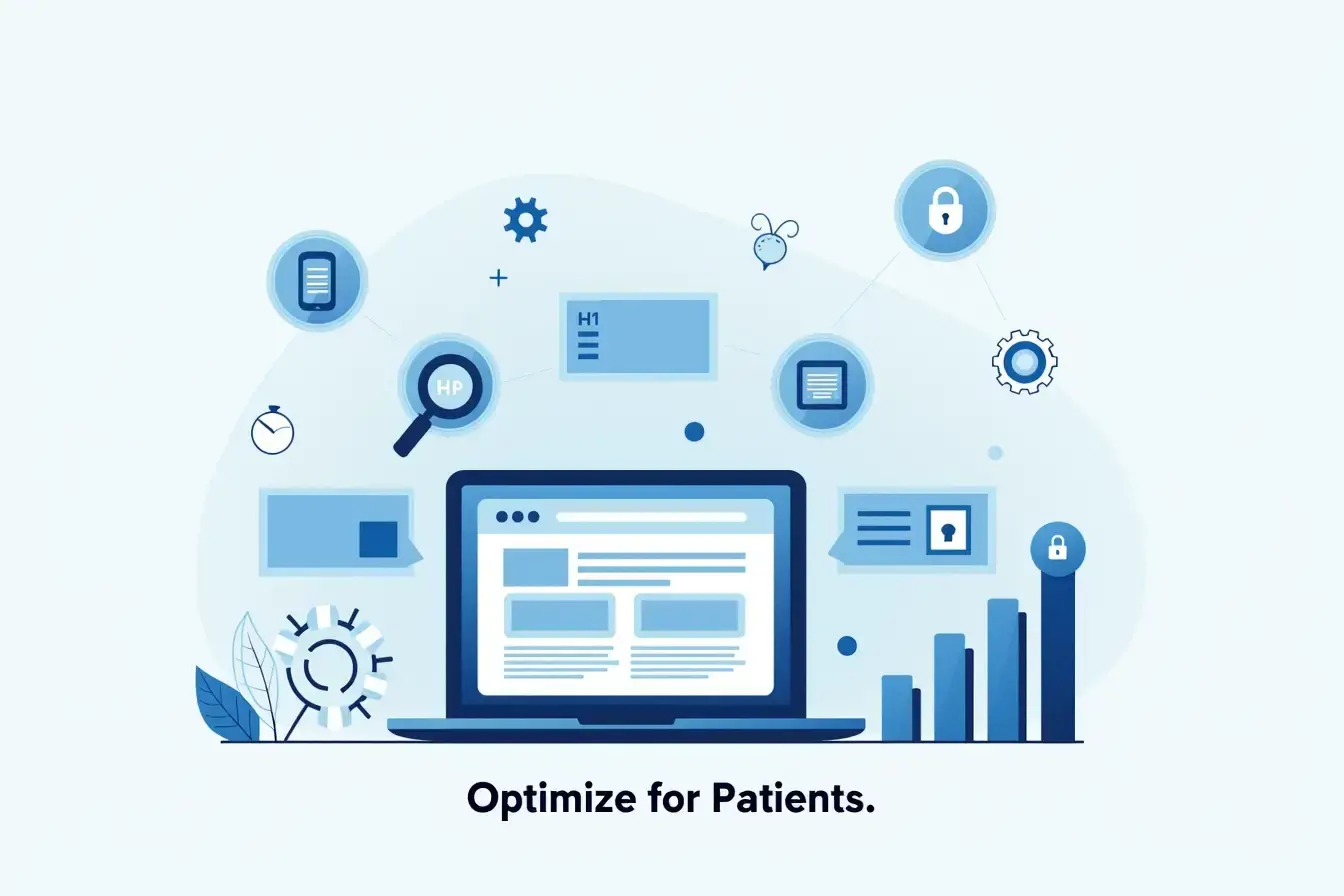
Keyword research is the cornerstone of doctors seo, guiding content creation and optimization:
- Relevance: Keywords should be directly related to the medical services offered. Using phrases like doctors seo, local seo doctors marketing, seo for doctor, and SEO for Doctor Websites ensures content relevance to potential patients’ searches.
- Intent: Understanding the search intent behind keywords helps in targeting those looking for medical services, information, or appointments. For instance, “doctor website design” might attract those interested in how medical sites are built, potentially leading to inquiries.
- Competition Analysis: Look at what keywords competitors are ranking for and find opportunities where your practice can stand out, especially in niche areas of medicine.
- Local Keywords: Incorporate local elements into your keywords. Terms like “best seo doctor in [City]” can significantly boost visibility in local searches.
- Long-Tail Keywords: These are less competitive but highly specific phrases like “pediatric doctors seo services” or “emergency doctor website design“, which can drive more qualified traffic.
On-Page SEO for Doctors
On-page SEO focuses on optimizing the content and structure of your website:
- Content Optimization: Integrate keywords naturally into page titles, headers, content, meta descriptions, and URLs. For example, use doctors seo in the H1 of your homepage or service pages.
- Headers: Use H2 and H3 tags to structure content around keywords. For instance, “Benefits of SEO for Doctor Websites” as an H2, with subsections under H3.
- Meta Descriptions: Craft compelling meta descriptions with keywords like local seo doctors marketing to improve click-through rates from search engine results pages.
- Image Optimization: Use alt-text for images, including keywords where appropriate, e.g., “doctor website design example”.
- Content Quality: High-quality, informative content that answers patient questions naturally includes doctors seo keywords, enhancing both SEO and user value.
- Internal Linking: Link within your site using anchor text that includes keywords to help with site navigation and SEO.
Technical SEO Aspects
Technical SEO involves the behind-the-scenes elements that make your site more search-engine friendly:
- Site Speed: A fast-loading website improves user experience and SEO rankings. Tools like Google PageSpeed Insights can help identify areas for improvement.
- Mobile-Friendliness: With many searches occurring on mobile devices, your site must be responsive. Mobile optimization directly impacts doctors seo as Google prioritizes mobile-friendly sites.
- Secure and Accessible: Ensure your site uses HTTPS, which is a Google ranking signal. Also, make sure your site is accessible, offering a good user experience to all visitors.
- Site Architecture: A clean, logical site structure helps search engines understand your content hierarchy. This includes:
- URL Structure: Use clear, keyword-rich URLs like “/services/doctor-website-development“.
- XML Sitemaps: Submit a sitemap to search engines to enhance indexing.
- Robots.txt: Use this to guide search engine crawlers to important content and away from irrelevant sections.
- Rich Snippets: Implement schema markup for health-related content to enhance search listings with additional information, potentially improving click-through rates.
Local SEO for Doctors
Leveraging Google My Business
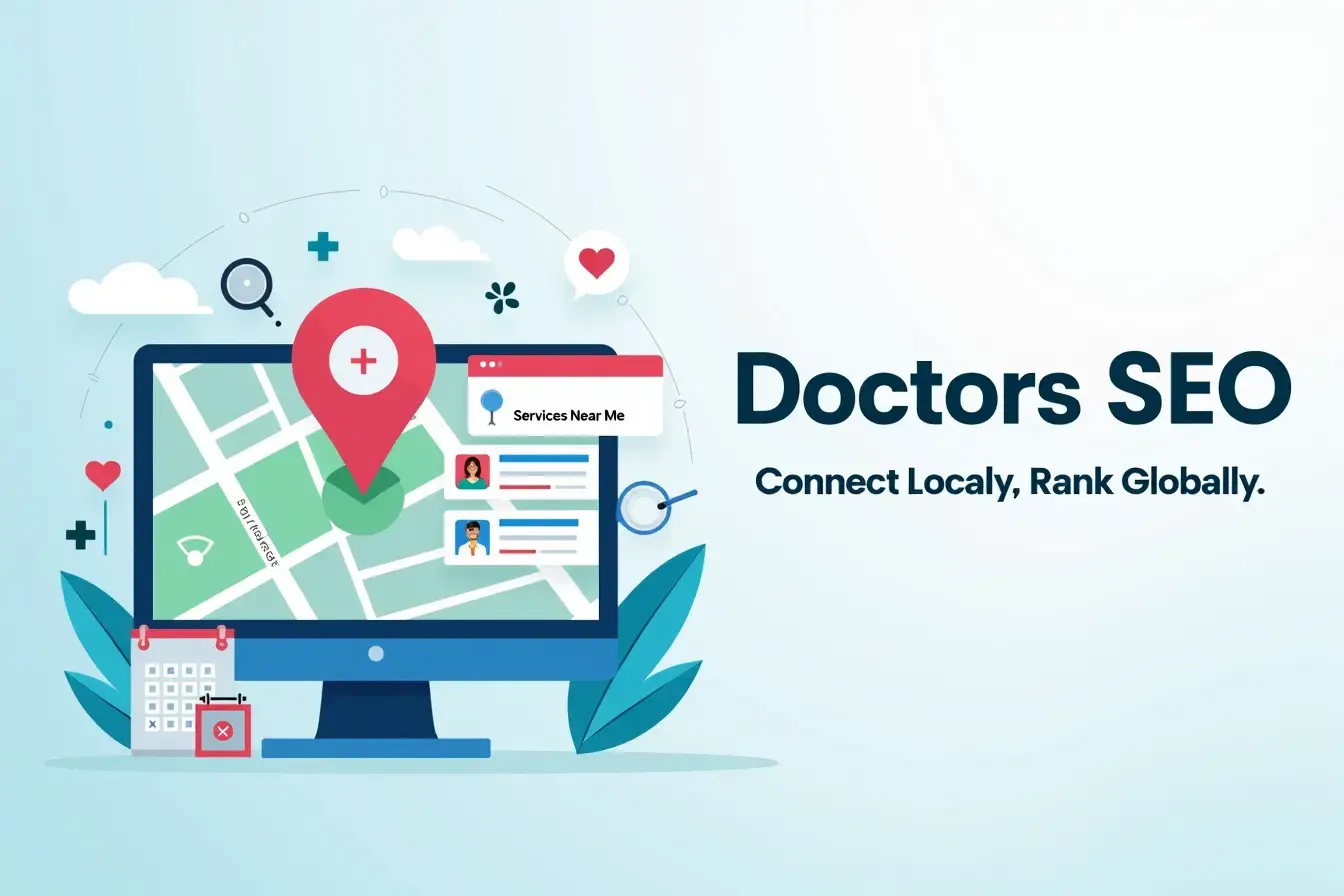
Google My Business (GMB) is a pivotal tool for local seo doctors marketing:
- Claim and Verify Your Listing: Ensure your practice’s GMB listing is claimed, verified, and complete with accurate details like address, phone number, and hours.
- Optimize Profile Information: Use keywords like doctors seo or seo doctor in your business description, but keep it natural and informative. Highlight specialties or services.
- Service Area: Specify your service area if you provide home visits or travel to other locations for consultations.
- Categories: Select the most relevant categories for your medical practice. This helps Google understand what your practice offers.
- Photos and Videos: Upload high-quality images of your practice, team, and facilities. Visuals can significantly impact local search visibility.
- Regular Posts: Use the post feature to share updates, health tips, or promotions. This keeps your listing active and engaging.
- Reviews Management: Encourage satisfied patients to leave reviews and respond to all reviews, both positive and negative, professionally. This interaction can improve your local rankings.
- Q&A: Answer questions in the Q&A section of your GMB listing to provide valuable information directly on your listing.
Local Citations and Directories
Citations are mentions of your practice’s name, address, and phone number (NAP) on other websites:
- Consistency is Key: Ensure your NAP is consistent across all directories. Inconsistencies can harm your local seo doctors marketing.
- Relevant Medical Directories: List your practice in directories specific to healthcare, like Healthgrades, Zocdoc, or WebMD. These are trusted sources where patients look for medical professionals.
- Local Business Listings: Besides medical-specific directories, get listed in general local directories like Yelp, Yellow Pages, and local chamber of commerce websites.
- Niche Directories: If your practice specializes, such as in dermatology or pediatrics, find directories that cater to those specific fields.
- Citation Management Tools: Consider using tools like Moz Local or Yext to manage and update your citations efficiently.
Geo-targeting in Content
Geo-targeting in your website’s content helps in aligning your doctors seo efforts with local searches:
- Local Keywords in Content: Integrate local keywords into your blog posts, service pages, and even in meta descriptions. For example, “Best seo doctor in [City Name]” or “Specialized doctor website design services in [State]”.
- Service Pages: Create pages for each location you serve, optimizing each for local SEO. Use phrases like “local seo doctors marketing in [City]” to capture local intent.
- Blog Posts: Write articles about local health events, seasonal health tips relevant to your area, or local health news, always including local keywords naturally.
- Local Testimonials: Include patient testimonials mentioning local areas or landmarks to enhance local relevance.
- Localized Landing Pages: If you have multiple offices or serve different neighborhoods, create landing pages for each area, optimized with local keywords and content.
- Event Participation: Mention your involvement in local health fairs, community events, or seminars within your content to further establish local presence.
Content Strategy for Doctor Websites

Blogging for Health Insights
Blogging is a powerful tool for doctors seo, offering multiple benefits:
- Educational Content: Write articles on common health issues, preventive care, new treatments, or tips related to your specialty. Use keywords like doctors seo naturally within the text to boost SEO.
- Keyword Integration: Incorporate keywords such as seo for doctor or SEO for Doctor Websites in blog titles, within the content, and in meta descriptions. For example, “5 Ways to Improve SEO for Doctor Websites with Blogging”.
- Fresh Content: Regularly updated blogs signal to search engines that your site is alive and relevant, which can improve rankings.
- Long-Tail Keywords: Use specific phrases like “how to manage diabetes with doctor website design best practices” to target niche queries.
- Shareability: Create content that’s easy to share, increasing backlinks to your site, which in turn boosts doctors seo.
- Engagement: Encourage comments or questions at the end of posts to engage readers, fostering a community around your practice.
Video SEO for Medical Practices
Videos have a unique ability to engage and are crucial for SEO for Doctor Websites:
- Educational Videos: Produce content like how-to videos on health maintenance, explanations of procedures, or Q&A sessions. Include doctors seo keywords in video titles, descriptions, and tags.
- YouTube Optimization: Since Google owns YouTube, optimizing videos there can lead to better visibility on Google search. Use keywords like seo doctor in your video’s metadata.
- Video Transcripts: Provide transcripts for videos to improve SEO as search engines can index the text, and it makes your content accessible to a broader audience.
- Video Sitemaps: Add videos to your XML sitemap to help search engines find and index your video content more effectively.
- Embed Videos on Your Site: Embedding videos on relevant blog posts or service pages increases the time users spend on your site, which can positively affect SEO metrics.
- Patient Testimonials: Video testimonials can be very compelling, enhancing trust while also serving as content for doctors seo.
Patient Education and SEO
Educating patients not only serves a community need but also indirectly improves doctors seo:
- Comprehensive Health Guides: Create detailed guides on conditions you treat or procedures you perform. Use keywords like doctor website design when discussing how your site aids in patient education.
- Infographics: These can be shared across platforms, driving traffic back to your site. Include doctors seo keywords in the alt text of images.
- FAQs: An FAQ page or section within your site answering common questions related to your specialty can rank well for long-tail queries, enhancing doctors seo.
- Interactive Tools: Health calculators, symptom checkers, or appointment scheduling tools can keep users engaged, improving SEO through increased interaction and dwell time.
- Link Building: Informative content can attract links from other authoritative health sites or blogs, which is a significant SEO booster.
- Content for All Levels: Tailor content for different literacy levels, ensuring everyone can benefit from your educational resources, thus widening your reach and improving doctors SEO.
Doctor Website Design and User Experience
Designing for Trust and Conversion
A well-designed website plays a crucial role in doctor website design, directly impacting trust, user experience, and conversion rates:
- Professional Aesthetics: Use clean, professional layouts with a color scheme that conveys trust and healthcare (often blues or greens). Avoid clutter to keep the focus on your services.
- Clear Navigation: Ensure that users can easily find what they’re looking for with intuitive menu structures. Categories like “Services”, “About Us”, “Contact”, and “Patient Resources” should be prominently displayed.
- Branding: Consistent use of your practice’s logo, color scheme, and typography strengthens your brand identity, making your site more memorable.
- High-Quality Imagery: Use professional photos of your team, facility, and possibly satisfied patients (with permission). This humanizes your practice and builds trust.
- Easy-to-Find Contact Information: Make your phone number, address, and contact form highly visible. Consider a floating contact button for mobile users.
- Testimonials: Display patient testimonials prominently but tastefully. Video testimonials can be particularly effective here.
- SEO Friendly Design: Incorporate doctors seo keywords in page titles, headers, and meta descriptions to boost visibility while maintaining readability.
- Call-to-Action (CTA) Buttons: Use clear, action-oriented CTAs like “Schedule an Appointment” or “Learn More”. These should stand out but not overwhelm the page.
- Security Badges: Display badges for HIPAA compliance or SSL certificates to reassure users about data security.
- Accessibility: Ensure your site is accessible to all users, including those with disabilities, which not only is a legal requirement in many places but also improves SEO.
Mobile Optimization
Given the high number of health-related searches conducted on mobile devices, mobile optimization is non-negotiable for doctors seo:
- Responsive Design: Your website should automatically adjust to any screen size without losing functionality or aesthetics. This ensures a seamless experience across devices.
- Fast Load Times: Mobile users expect quick load times. Optimize images, leverage caching, and minify code to reduce load times. Tools like Google’s PageSpeed Insights can help identify issues.
- Touch-Friendly Navigation: Buttons and links should be easy to tap with a finger, with ample space between clickable elements to avoid misclicks.
- Mobile-First Content: Structure content so that the most important information appears first or is easily accessible, as mobile screens offer less space.
- Simplified Forms: If you have forms for appointments or inquiries, make sure they’re easy to fill out on a mobile device, with minimal fields to complete.
- Local SEO: Since mobile searches often have local intent, ensure your site is optimized for local seo doctors marketing with local keywords, quick access to your location, and a clickable phone number for direct calls.
- Mobile Google My Business Integration: Ensure your GMB listing is fully optimized, as it often appears in mobile search results, providing an immediate call or navigation option.
- Avoid Pop-Ups: Or ensure they’re mobile-friendly if used, as they can be particularly disruptive on smaller screens.
Doctor Website Development

Choosing the Right CMS
Selecting the right Content Management System (CMS) is crucial for doctors seo and efficient website management:
- SEO Friendliness: Look for CMS platforms like WordPress, which have built-in SEO tools or can be easily extended with SEO plugins like Yoast or Rank Math. These tools help in optimizing content with doctors seo keywords, managing meta tags, and more.
- Ease of Use: Doctors and their staff should be able to update content without needing deep technical knowledge. User-friendly CMS options allow for easy management of blog posts, service pages, or news updates.
- Customizability: Choose a CMS with a vibrant ecosystem of themes and plugins that can be tailored to the medical field’s specific needs, like appointment scheduling or patient portals.
- Scalability: As your practice grows, your website should be able to grow with it. A scalable CMS supports adding new pages, functionalities, or even multilingual support if needed.
- Security Features: Given the sensitive nature of healthcare data, the CMS should have robust security measures or support for security plugins.
- Support and Community: A well-supported CMS means there are resources available for troubleshooting, updates, and learning, which is invaluable for maintaining a high-quality site.
Custom vs. Template Websites
When considering Doctor Website Development, the choice between custom and template websites involves:
- Customization for Branding: Custom websites offer unparalleled flexibility in design, allowing your practice’s unique branding, functionalities, and user experience to shine through. This can significantly enhance trust and professionalism.
- Tailored Functionality: A custom site can be designed with specific features like integrated patient portals, bespoke appointment systems, or custom educational tools, directly aligned with your medical services.
- SEO Optimization: A custom site can be built from the ground up with doctors seo in mind, optimizing every aspect for search engines without the limitations of templates.
- Performance: Custom solutions often result in cleaner code, leading to faster load times and better performance, both of which are critical for SEO and user experience.
- Template Benefits: Templates or pre-built themes can be cost-effective and quick to deploy. They’re also regularly updated for security and compatibility. However, they might lack customization depth and can lead to a generic look.
- Security: With custom development, you can implement security measures that are exactly tailored to your needs, reducing vulnerabilities.
Security and Compliance
Security and compliance are paramount in doctors seo and website development:
- HIPAA Compliance: If your site handles patient information, it must comply with HIPAA regulations. This includes:
- Secure data transmission (HTTPS).
- Privacy policies that are easily accessible and clear.
- Secure handling of forms or patient portals.
- SSL Certificates: Essential for securing data and for SEO since Google favors secure sites in its rankings.
- Data Protection: Regular backups, secure server hosting, and access controls to prevent unauthorized access to sensitive data.
- Regular Updates: Keep your CMS, themes, and plugins up-to-date to protect against known vulnerabilities. This also includes monitoring for and applying security patches.
- User Access Management: Limit who can access and edit your site, especially areas with sensitive patient data.
- Compliance Documentation: Maintain clear documentation on how your site complies with legal standards, which can also be part of your SEO content under privacy or security pages.
- User Education: Inform users through your site about data handling, privacy, and what measures you’re taking to protect their information.
SEO Tools and Analytics for Doctors

Essential SEO Tools
Leveraging the right SEO tools can dramatically enhance doctors seo efforts:
- Google Analytics: Fundamental for tracking website traffic, user behavior, conversion rates, and more. It helps identify which pages attract the most visitors and where they come from, allowing you to focus your SEO strategies accordingly.
- Google Search Console: Offers insights into how Google views your site, showing which queries bring users to your site, your average search position, and any issues with indexing or mobile usability.
- Ahrefs: A comprehensive tool for backlink analysis, keyword research, and competitor analysis. It’s crucial for understanding your backlink profile, which can significantly impact doctors seo.
- SEMrush: Provides a suite of SEO tools including keyword research, site audits, rank tracking, and competitor analysis. It’s particularly useful for local seo doctors marketing by analyzing local pack rankings.
- Moz Pro: Offers tools for keyword research, link building, site audits, and page optimization, with a focus on understanding your domain authority and backlink quality.
- Yoast SEO (or similar plugins if using WordPress): Helps optimize content directly on your site with suggestions for keyword use, meta descriptions, readability, and more.
- GTmetrix or Google PageSpeed Insights: For checking site speed and performance, which are key factors in both SEO and user experience.
- Screaming Frog SEO Spider: A desktop program for in-depth SEO audits, perfect for understanding site structure and on-page SEO issues.
Analyzing Website Traffic
Proper analysis of website traffic can guide your seo doctor strategies:
- Traffic Source Analysis: Understand where your visitors are coming from (organic search, direct, referral, social media) to see which channels are most effective for your doctors seo efforts.
- User Behavior: Look at metrics like bounce rate, session duration, and page views per session to evaluate content engagement. High bounce rates might indicate issues with content relevance or page load speed.
- Conversion Tracking: Set up goals in Google Analytics to track actions like appointment bookings, contact form submissions, or downloads of health resources. This helps correlate SEO improvements with actual business outcomes.
- Keyword Performance: Use tools like Google Analytics or SEMrush to see which keywords are driving traffic to your site. This can inform content creation and optimization strategies, focusing on what works.
- Geographical Data: Analyze from which locations your traffic comes, which is particularly useful for local seo doctors marketing to refine local targeting.
- Device Usage: Check if your site performs well across devices, especially mobile, given the significance of mobile searches in healthcare.
- Content Performance: Identify which blog posts, pages, or services are most popular. This can guide future content development to match patient interests or needs.
- Site Speed Insights: Slow pages can harm SEO and user experience. Tools like Google Analytics can show you which pages are slow, prompting optimization.
- Competitor Benchmarking: Tools like Ahrefs or SEMrush allow you to compare your site’s performance against competitors, giving insights into what SEO strategies might be effective.
Building Backlinks in the Medical Field
Guest Posting on Health Blogs
Guest posting is a strategic approach to enhance doctors seo through quality backlinks:
- Identify Relevant Platforms: Look for health and medical blogs or websites that have a good domain authority, engage with their audience, and are relevant to your specialty. Tools like Ahrefs or Moz can help identify these opportunities.
- Craft Valuable Content: Write posts that provide genuine value, whether it’s through educational content, novel insights, or practical advice. Use doctors seo keywords naturally within the content but ensure the primary focus is on quality and relevance.
- Pitch Effectively: Tailor your pitch to show how your content can benefit their readers. Include a brief bio with a link back to your site, but don’t make the link acquisition the main focus of your pitch.
- Use Your Expertise: As a doctor, your professional insights are valuable. Offer to write about new treatments, patient education, or health trends that align with the blog’s content.
- Include Backlinks: Within your guest post, include one or two relevant links back to your website. These should be contextual and add value to the reader, such as linking to a detailed guide on your site that expands on the topic discussed.
- Engage with Comments: After your post goes live, engage with any comments to build relationships with the blog’s audience, potentially leading to more backlinks from social shares or comments.
- Diversify Your Links: Don’t just focus on one site. Spread your guest posts across various platforms to build a diverse backlink profile, which is beneficial for doctors seo.
Networking with Medical Professionals
Building relationships within the medical community can naturally lead to valuable backlinks:
- Attend Medical Conferences and Seminars: These events are great for networking. You can meet peers who might be interested in linking to your content or collaborating on projects.
- Professional Associations: Join medical associations or groups relevant to your specialty. These often have websites where members can publish articles or list their practices, providing link opportunities.
- Collaborations: Work on joint research, articles, or health campaigns with other professionals. Such collaborations can result in mutual backlinking, where both parties benefit from increased visibility.
- Referral Networks: Establish or participate in referral networks where doctors recommend each other’s services. A simple mention with a link on another doctor’s site can be a powerful backlink.
- Educational Workshops or Webinars: Host or speak at these events. If recorded, they can be shared online, with participants or viewers linking back to your website.
- Social Media: Engage with other healthcare professionals on platforms like LinkedIn or specialized medical forums. Sharing knowledge or commenting on posts can lead to informal mentions and links.
- Local Community Involvement: Participate in local health drives, talks, or panels. Local media or community websites might cover these events and link back to your practice’s website.
- Alumni Networks: If you’ve graduated from a medical school, leverage that network for backlinks. Alumni newsletters or directories often allow for professional listings.
- Mentorship or Teaching: If you’re involved in educating the next generation of doctors, this can lead to mentions on educational or institutional websites, which carry significant weight in SEO.
What is the first step in doctors SEO?
How often should I update my doctor website for SEO?
Can local SEO help my medical practice even if I’m not in a big city?
What are the top SEO mistakes doctors should avoid?
Overlooking Mobile Optimization: Given the prevalence of mobile searches for healthcare, not having a mobile-friendly site is a critical mistake.
Ignoring Content Quality: Content that doesn’t provide value won’t engage users or rank well.
Keyword Stuffing: Using too many keywords unnaturally can lead to penalties rather than benefits.
Not Tracking Performance: Without analytics, you can’t refine your strategy based on what’s working or not.