


Boost your restaurant seo with strategies. Replace outdated SEO tactics now for top rankings. restaurant local seo seo for restaurant
Understanding Restaurant SEO
What is Restaurant SEO?
Restaurant SEO is the practice of optimizing a restaurant’s online presence to rank higher in search engine results pages (SERPs). For restaurants, this means enhancing visibility on search platforms where potential diners are looking for places to eat. Unlike general SEO, restaurant SEO focuses on local search optimization, ensuring that your restaurant appears when customers in your vicinity search for dining options. It involves a mixture of:
- Keyword optimization tailored to dining and local search terms.
- Local SEO techniques like managing Google My Business listings and local citations.
- Content creation that reflects the unique aspects of your restaurant, such as cuisine type, ambiance, and special offers.
The importance of restaurant SEO lies in its ability to:
- Increase visibility among potential customers actively searching for dining experiences.
- Enhance credibility as good SEO practices can lead to higher search rankings, which are often perceived as a sign of quality or popularity.
- Provide insights into customer behavior through analytics, allowing for better marketing strategies.
Why SEO is Critical for Restaurants
SEO for restaurants isn’t just about being found online; it’s crucial for several tangible benefits:
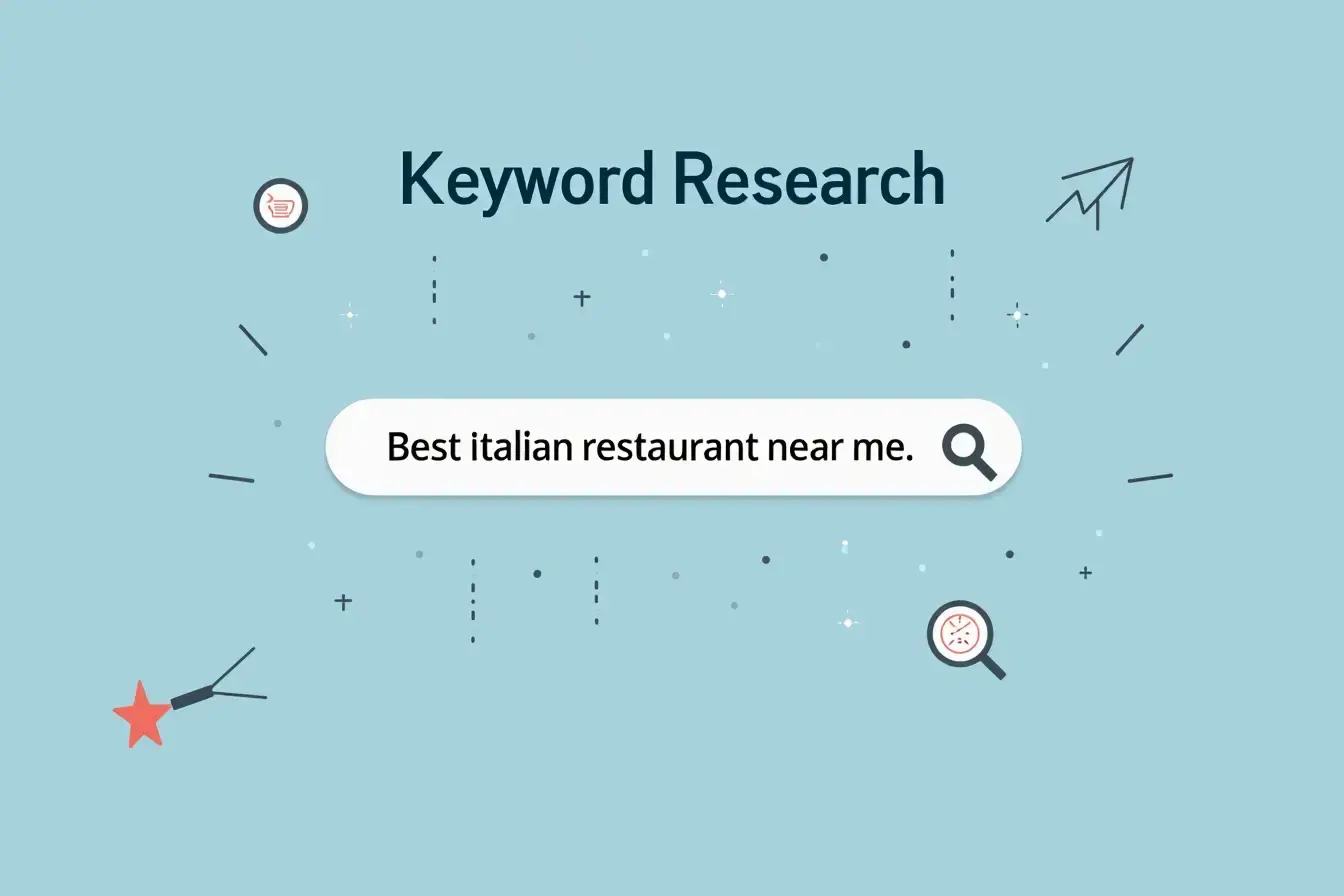
- Driving customer traffic: When people search for “best Italian restaurant near me” or “dinner places in [Town],” your restaurant should be one of the first results they see. High visibility in these searches directly correlates with increased foot traffic.
- Cost-effective marketing: Compared to traditional advertising, SEO for restaurants offers a significant return on investment. Once your site ranks well, it can continue to attract visitors without additional costs per click or impression.
- Competitive advantage: In a market where many restaurants might offer similar dishes or experiences, seo restaurants can differentiate your establishment. By appearing at the top of search results, you’re not just competing, you’re leading the pack.
- Local targeting: Restaurant local SEO ensures that your marketing efforts are focused on the most relevant audience – those within your geographic area who are most likely to visit your restaurant. This precision helps in maximizing the effectiveness of your SEO strategy.
- Adaptability to consumer habits: With more people using search engines to make dining decisions, being optimized for seo restaurants means you’re where your customers are looking, adapting to the digital shift in consumer behavior.
By understanding and implementing effective restaurant SEO strategies, restaurants can not only survive but thrive in the competitive food industry landscape.
Keyword Research for Restaurant SEO
Identifying High-Impact Keywords
Keyword research is pivotal in restaurant SEO for targeting the right audience with the right phrases. Here’s how to pinpoint those high-impact keywords:
- Understanding Customer Intent: Begin by thinking like your customers. What phrases would they use to find a restaurant like yours? Think about terms related to cuisine type, dining experience, location, and specific dishes.
- Utilize SEO Tools: Tools like SEMrush, Ahrefs, or Google’s Keyword Planner can help identify what potential customers are searching for. Look for:
- Search Volume: Keywords with enough volume to drive traffic.
- Competition: Lower competition can mean easier ranking opportunities.
- Relevance: Ensure the keywords match your restaurant’s offerings.
- Long-Tail Keywords: These are longer, more specific phrases (e.g., “best vegan pizza in [Town]”) that often have less competition but higher conversion rates because they match user intent more closely.
- Seasonal and Trending Keywords: Keep an eye on seasonal trends or local events that could influence dining preferences, like “Thanksgiving dinner specials” or “New Year’s Eve party venues.”
Using restaurant local seo Keywords
Local SEO is paramount for restaurants, as most diners seek local options. Here’s how to leverage restaurant local seo keywords:
- Geo-Targeted Keywords: Incorporate location-specific terms into your SEO strategy. Examples include:
- “best sushi in [Town]”
- “dine-in restaurants near [Landmark]”
- “lunch specials in [Neighborhood]”
- Google My Business Optimization: Your Google My Business listing should be rich with these keywords, including in your business description, posts, and responses to reviews.
- Local Citations: Ensure your restaurant is listed in local directories, food blogs, and review sites with consistent NAP (Name, Address, Phone Number) information, using your restaurant local SEO keywords.
- Content Localization: Create content that’s relevant to your local area. Blog posts about local events, partnerships with local businesses, or highlighting local ingredients in your dishes can naturally incorporate these keywords.
- Importance of Local SEO for Restaurant Businesses:
- Visibility in Local Searches: When people search for places to eat close to where they are, local SEO ensures your restaurant shows up in these critical, conversion-ready queries.
- Map Pack Ranking: Appearing in Google’s “Local Pack” or “Map Pack” can significantly increase visibility, as these results are prominently displayed for local queries.
- Building Local Reputation: Through local SEO, you’re not just increasing visibility; you’re also establishing your restaurant as a community staple, which can lead to loyalty and word-of-mouth referrals.
- Mobile Search Optimization: With many local searches happening on mobile devices, optimizing for restaurant local seo keywords ensures you capture this on-the-go audience looking for immediate dining solutions.
By focusing on both broad and local keyword strategies, you can capture a wide array of potential diners, from those planning ahead to those seeking a last-minute meal. Remember, the goal is to match your restaurant’s unique offerings with the specific, often local, search queries of your target audience.
On-Page Optimization for Restaurant SEO
Title Tags and Meta Descriptions
Title tags and meta descriptions are crucial elements that influence click-through rates from search engine results pages (SERPs). Here’s how to optimize them for restaurant SEO:
- Title Tags:
- Include Main Keywords: Use phrases like restaurant seo or location-specific terms near the front of your title tags, e.g., “Best Italian Restaurant – [Restaurant Name] in [Town]”.
- Keep it Concise: Aim for 50-60 characters to ensure the full title displays in SERPs.
- Unique for Each Page: Each page should have a unique title tag reflecting its content.
- Meta Descriptions:
- Engage with Keywords: Integrate restaurant seo keywords naturally within the description to match user queries.
- Call to Action: Encourage clicks with action-oriented language like “Book your table now!”.
- Length: Between 150-160 characters to capture attention while fully displaying in SERPs.
Content Creation and Optimization
Creating content that serves both SEO and user interest is key to successful seo for restaurant:
- Keyword Rich but Natural: Use your seo for restaurant keywords throughout your content, but ensure it reads naturally. Aim for a keyword density that feels organic, not forced.
- Unique Selling Points: Highlight what makes your restaurant unique – be it the cuisine, ambiance, or special events. Use these points to create engaging, keyword-rich narratives.
- Blogging: Regularly update your blog with posts that can include:
- Recipes or behind-the-scenes content.
- Local food guides or events.
- Customer stories or testimonials.
- User Experience: Content should answer questions users might have (like “What’s on the menu?”, “Do you cater events?”, “What are your hours?”), providing value and encouraging longer site visits.
- Media Optimization: Use alt text with keywords for images, and consider video content with transcripts for better SEO.
URL Structure and Site Architecture
Effective URL structure and site architecture can significantly impact your seo restaurants performance:
- URLs:
- Simple and Descriptive: Use URLs that include your main keywords but are easy to read, like webfly.us/local-seo-chicago.
- Hyphens for Readability: Use hyphens to separate words in URLs rather than underscores or spaces.
- Site Architecture:
- Logical Structure: Organize your site so that content is easy to navigate, with a clear hierarchy (Home > Services > Restaurant SEO > Local SEO).
- Internal Linking: Use internal links to guide users through your site, enhancing both user experience and SEO by distributing page authority.
- Mobile-First Design: With Google’s mobile-first indexing, ensure your site’s architecture is optimized for mobile users, which is critical for restaurant seo given the mobile nature of restaurant searches.
- Page Speed: A well-structured site often loads faster. Use tools like Google PageSpeed Insights to optimize for speed, which is a ranking factor.
- Accessibility: Make your site accessible to all users, including those with disabilities, which not only improves SEO but also user inclusivity.
By meticulously optimizing these on-page elements, your restaurant’s website can become a powerful tool in attracting diners, improving search rankings, and providing a seamless user experience that reflects the quality of your dining establishment.
Technical SEO for Restaurant SEO
Mobile Optimization
In the era of smartphones, having a mobile-optimized website is non-negotiable for restaurants seo:
- Responsive Design: Ensure your website adjusts seamlessly to any screen size. Google uses mobile-first indexing, meaning the mobile version of your site is the primary one considered for ranking.
- Fast Loading on Mobile: Mobile users expect quick access to information. Compress images, leverage browser caching, and minimize code to reduce load times on mobile devices.
- Touch-Friendly Navigation: Make sure menus, buttons, and links are easy to interact with on touch screens, improving user experience and reducing bounce rates.
- Local Mobile Search: Enhance local SEO by ensuring your site quickly provides key information like your address, phone number, and opening hours, which are often the first things mobile users look for.
Site Speed and Performance
Speed is a significant factor in SEO, directly affecting user satisfaction and search rankings:
- Optimize Images: Use tools to compress images without significant quality loss, and choose the right format (e.g., JPEG for photographs, PNG for graphics with transparency).
- Minimize HTTP Requests: Reduce the number of elements that load on a page by combining files where possible or using CSS sprites.
- Leverage Browser Caching: Set your server to instruct browsers to store certain files locally, reducing load times for returning visitors.
- Content Delivery Network (CDN): Use a CDN to serve your static content from servers closer to the user’s geographic location, speeding up content delivery.
- Lazy Loading: Implement lazy loading for images and videos so that they only load when they’re about to enter the viewport, significantly speeding up initial page loads.
Secure and Accessible Websites
Security and accessibility aren’t just ethical considerations; they’re also crucial for SEO:
- HTTPS: Secure your site with an SSL certificate, which not only protects user data but is also a ranking signal for Google. Browsers flag non-HTTPS sites as “not secure,” which can deter users.
- Schema Markup: Implement schema markup to provide search engines with explicit clues about your content:
- Use Restaurant Schema to highlight your menu, price range, cuisine type, and customer reviews, making your listings richer in search results.
- Ensure your business details are up-to-date with schema for better local SEO.
- Accessibility:
- Improve Usability: Ensure your site is navigable with keyboard-only, screen readers, and has high contrast for visually impaired users.
- Semantic HTML: Use proper HTML tags for structure (like <header>, <nav>, <main>, etc.) to help with both SEO and accessibility.
- Alt Text for Images: Describe your visual content so that screen readers can convey the information to users who can’t see the images.
By focusing on these technical aspects of SEO, your restaurant’s website will not only perform better in search results but also provide a superior user experience, encouraging more visits, bookings, and positive reviews. Remember, technical SEO is an ongoing process, requiring regular audits and updates to keep pace with evolving best practices and search engine algorithms.
Local SEO Strategies for Restaurant SEO
Google My Business Optimization
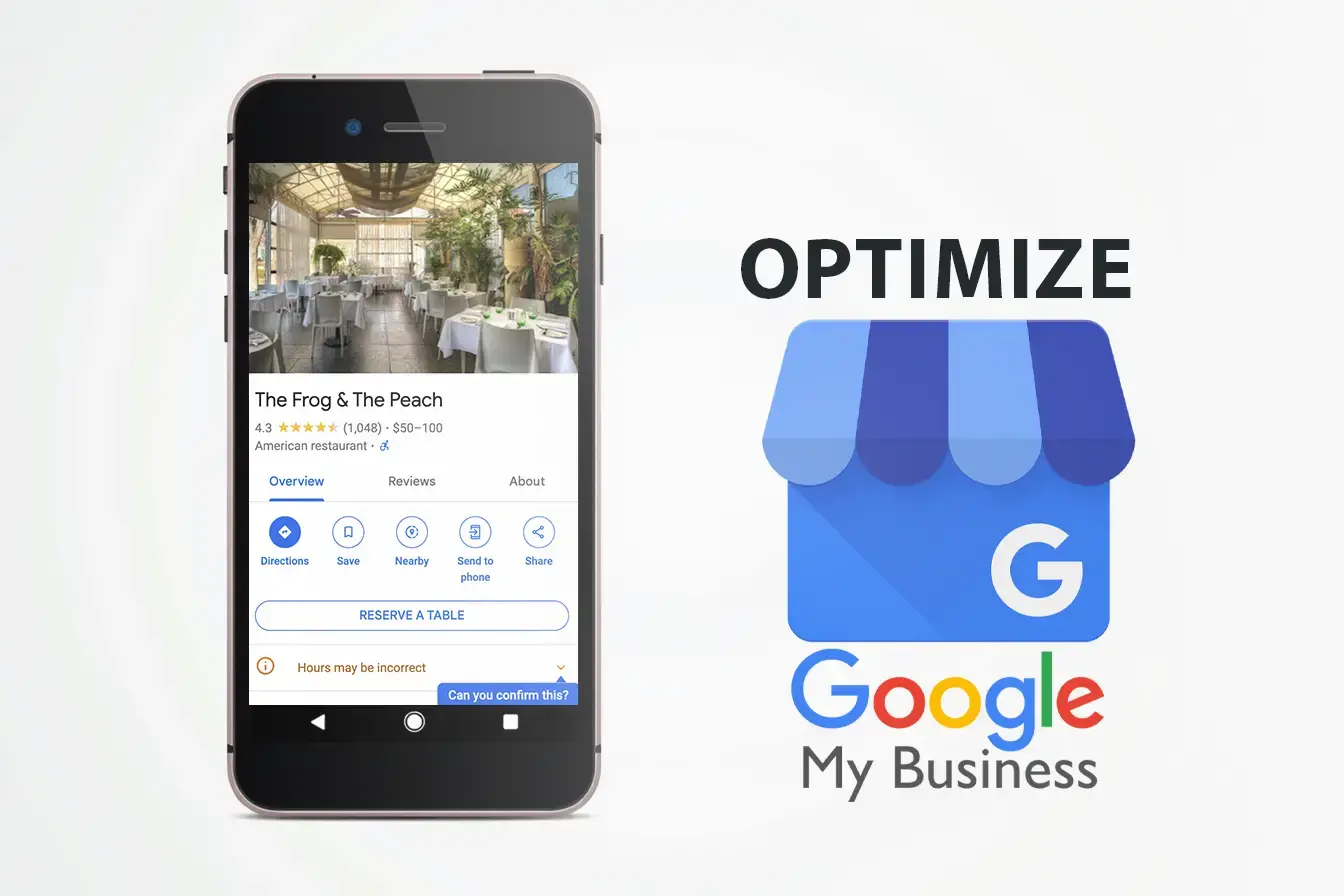
Google My Business (GMB) is pivotal for restaurant local seo as it directly influences your visibility in local search results and Google Maps:
- Complete Your Profile: Fill out every detail from business name, address, phone number (NAP), to operating hours, cuisine type, and services offered. Add high-quality photos of your restaurant, dishes, and ambiance.
- Regular Updates: Post updates about new menu items, special events, or promotions. This keeps your profile active and engaging.
- Encourage Engagement: Respond to reviews, both positive and negative, to show customer service commitment. Engage with Q&A sections to provide useful information.
- Utilize Features: Use features like booking buttons, ordering services, or menu links to make it easier for customers to take action directly from your GMB listing.
- Monitor Insights: Use GMB insights to understand how customers interact with your listing, which can guide further optimization efforts.
Local Citations and Directories
Citations are mentions of your business’s NAP across the web, which are vital for local SEO:
- Consistency is Key: Ensure your NAP is consistent across all platforms to avoid confusing search engines about your business’s location.
- Choose Quality Directories: List your restaurant in reputable directories like Yelp, TripAdvisor, OpenTable, and local chambers of commerce. Look for directories specific to your area or cuisine type.
- Industry-Specific Listings: Engage with food blogs, local food guides, or industry-related sites where your restaurant can be featured or reviewed.
- Benefits:
- Increased Visibility: Being listed in multiple places online increases your chances of being found by potential customers.
- Authority Building: High-quality citations can signal authority to search engines, helping with local SEO rankings.
- Backlink Opportunities: These listings often come with opportunities to gain backlinks, further boosting your SEO.
Managing Online Reviews
Reviews are a significant factor in restaurant local seo because they affect both your ranking and your reputation:
- Encourage Reviews: Politely ask satisfied customers to leave reviews on platforms like Google, Yelp, or industry-specific sites. Provide easy access or links to review sites.
- Respond to Reviews: Engage with every review. Thank positive reviewers for their feedback and address negative ones with professionalism, showing you value all customer experiences.
- Learning from Feedback: Use reviews to gain insights into what customers love or what could be improved. This can guide menu adjustments, service enhancements, or operational changes.
- Showcase Reviews: Highlight positive reviews on your website or social media to build trust with potential diners.
- SEO Impact:
- Trust and Credibility: Positive reviews can sway potential customers to choose your restaurant.
- Keyword Use in Reviews: When customers mention your restaurant name or keywords like restaurant seo in reviews, it can naturally boost your SEO for those terms.
- Star Ratings: Google uses star ratings in local search results, influencing click-through rates and perceived quality.
By mastering these local SEO strategies, your restaurant can enhance its online presence where it matters most: within the community it serves. Local SEO isn’t just about being found; it’s about building a relationship with your local audience, which can lead to increased foot traffic, customer loyalty, and ultimately, business growth.
Off-Page SEO for Restaurant SEO
Building Quality Backlinks
Backlinks are essential for SEO as they signal to search engines that your site is credible and authoritative. Here’s how to build quality backlinks for your restaurant:
- Local Partnerships: Collaborate with local businesses, bloggers, or influencers. Offer to host events, sponsor local activities, or create joint promotions, where they might link back to your site.
- Content Marketing: Produce unique, shareable content like recipes, dining guides, or local event highlights. This content can attract links from food bloggers, local news outlets, or community sites.
- Guest Blogging: Write guest posts for popular food or lifestyle blogs in your area. Include a link back to your restaurant’s site, but make sure the content provides value.
- PR and Media Coverage: Issue press releases for new menu items, special events, or awards. Local media might cover your story, providing a backlink.
- Directory Listings: While primarily for local citations, industry-specific or high-authority directories can also offer valuable backlinks.
- Community Engagement: Participate in local forums, sponsor community events, or engage in local charity work. These activities can lead to mentions and links from community websites.
- Review Sites: Encourage reviews on sites like Yelp or TripAdvisor, which can lead to natural backlinks from users sharing their experiences.
Social Media Integration

Social media can indirectly boost your restaurant SEO by enhancing social signals:
- Active Presence: Maintain active profiles on platforms where your audience hangs out. Regular posts keep your restaurant in the public eye and can drive traffic to your site.
- Social Sharing: Encourage sharing of your content (menu, events, special offers) by making it easy to share from your website or through social media icons. Each share is a potential link back to your site.
- User-Generated Content: Leverage photos or reviews from customers on social media. Sharing this content not only engages your audience but also can lead to organic backlinks when users tag your restaurant.
- Engagement: High engagement rates (likes, comments, shares) can signal to search engines that your restaurant is popular, potentially impacting local SEO indirectly.
- Local Hashtags: Use local or event-specific hashtags to increase visibility among local users. This can lead to more mentions and shares, increasing your online presence.
- Influencer Collaborations: Partner with food influencers or local celebrities to showcase your restaurant. Their content might include links to your site or social profiles.
- Cross-Promotion on Social Platforms: Share links to your blog posts, new menu items, or special offers on your social media, driving traffic back to your site which can improve SEO metrics like time on site and pages per session.
- Event Promotion: Promote local events or your restaurant’s involvement in community activities through social media, which can be picked up by local news or event pages, leading to backlinks.
While social signals are not a direct ranking factor, a robust social media strategy can enhance brand visibility, encourage backlinks, and drive traffic, all of which contribute to a stronger SEO profile. Remember, the key is consistency, engagement, and providing value that aligns with your restaurant’s brand and audience.
Content Marketing and Restaurant SEO
Blogging for Restaurants
Blogging is an effective way to engage with your audience, showcase your restaurant’s personality, and improve your restaurant seo. Here’s how to leverage blogging:
- Educational Content: Write posts about the origins of dishes on your menu, the story behind your kang seo restaurant, or the cultural significance of your cuisine. This can educate diners and attract those interested in food culture.
- Local Guides: Create dining guides or highlight local events where your restaurant is involved. This not only uses kang seo restaurant themes but also boosts local SEO by associating your brand with local happenings.
- Behind-the-Scenes: Share insights into your kitchen, staff, or ingredient sourcing. This humanizes your brand and can engage readers who appreciate authenticity.
- Seasonal and Trending Topics: Blog about seasonal menu changes, food trends, or holiday specials. Use these opportunities to incorporate your kang seo restaurant keywords naturally.
- SEO Integration:
- Use keywords like kang seo restaurant in titles, headers, and throughout the content where it fits naturally.
- Optimize each blog post with meta descriptions, alt text for images, and internal links to other relevant content on your site.
- Engagement: End posts with calls-to-action encouraging users to visit your restaurant, sign up for a newsletter, or follow your social media.
Video and Image SEO
Visual content is key in the restaurant industry for both engagement and SEO:
- Optimize Videos:
- Host Videos on Your Site: While sharing on platforms like YouTube, also embed videos on your site to benefit from direct traffic.
- Video Titles and Descriptions: Use restaurant seo keywords in titles, descriptions, and tags. For example, “Cooking kang seo restaurant Specials at Home”.
- Transcripts and Closed Captions: Add these to your videos to improve accessibility and SEO, as search engines can index the text.
- Image SEO:
- Alt Text: Use descriptive alt text with keywords for each image, like “Kang Seo Restaurant’s signature dish”. This helps with image search visibility.
- File Names: Rename image files to include keywords before uploading, e.g., “kang-seo-restaurant-bibimbap.jpg”.
- Image Compression: Balance quality with file size to ensure quick loading without sacrificing visual appeal.
- Visual Content Strategy:
- Showcase the Experience: Use videos for virtual tours, cooking tutorials, or interviews with your chef. This content can be shared across platforms, driving backlinks.
- High-Quality Images: Professional photos of dishes, ambiance, and events can make a significant impact on social sharing and site engagement.
- Image Sitemaps: Submit an image sitemap to Google to ensure all images are indexed, especially if they’re not directly linked within the page text.
- User-Generated Content: Encourage customers to share photos of their meals on social media with specific hashtags. Repost these with proper attributions, enhancing SEO through fresh, user-engaged content.
By integrating both blogging and visual SEO strategies, you can significantly enhance your restaurant seo. Content marketing isn’t just about attracting new customers; it’s about creating a narrative around your brand that resonates with your audience, encouraging return visits and fostering a community around your kang seo restaurant.
Analytics and SEO Performance Tracking
Setting Up Google Analytics
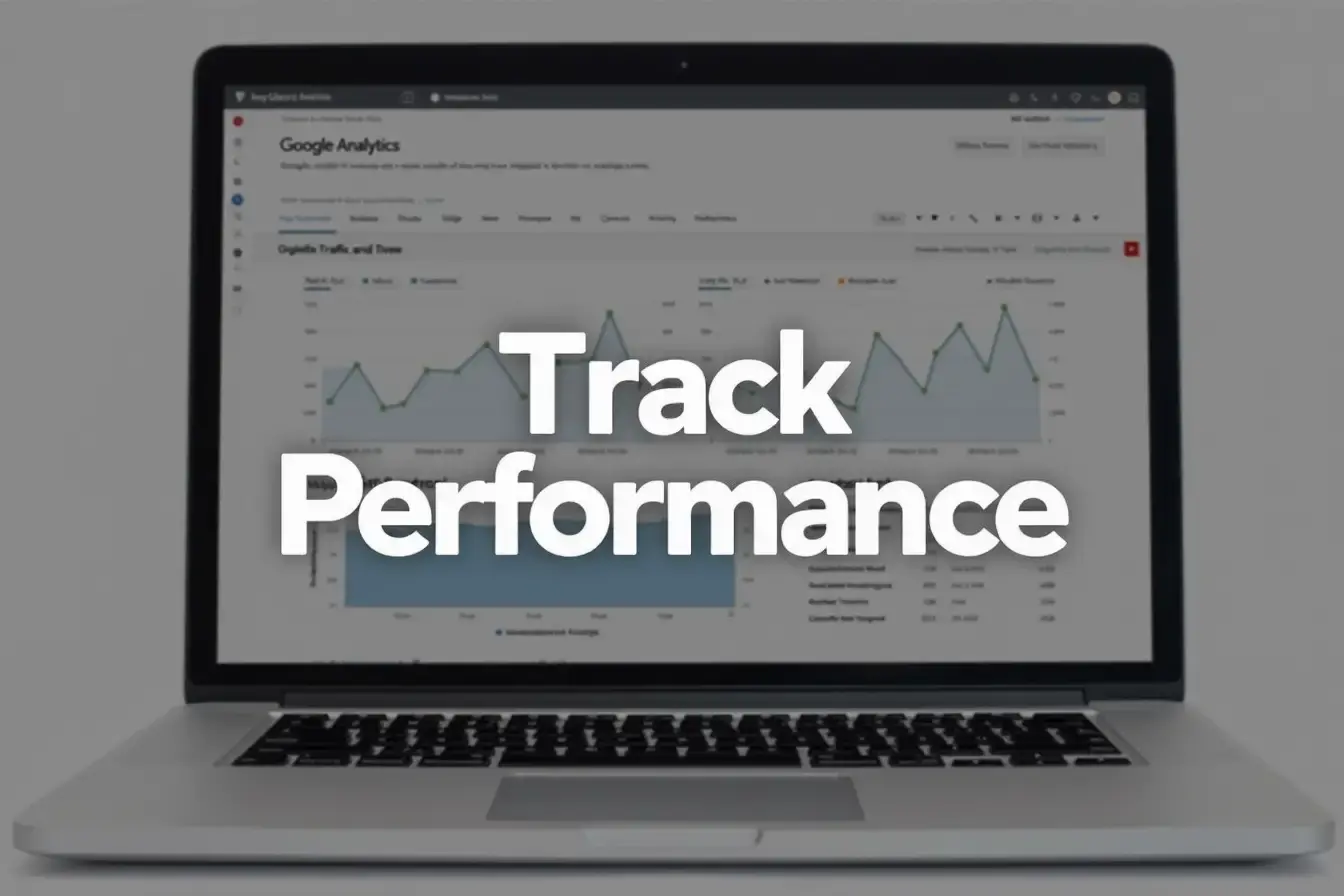
Google Analytics is indispensable for monitoring how well your SEO strategies are performing for seo restaurants:
- Installation:
- Add the Google Analytics tracking code to your website. If you’re using WordPress, consider plugins like MonsterInsights for easier integration.
- Goal Setting:
- Define goals that matter to your restaurant, such as booking a table, signing up for a newsletter, or visiting a contact page. This helps you see how SEO contributes to conversions.
- Key Metrics to Track:
- Traffic Sources: Understand where your visitors are coming from (organic search, direct, social media, referrals) to gauge the effectiveness of your restaurant seo efforts.
- User Behavior: Look at metrics like average session duration, pages per session, and bounce rate to assess content engagement.
- Conversion Rates: Monitor how many visitors from organic search are converting into customers or taking desired actions.
- Bounce Rate by Landing Page: Identify which pages might need SEO optimization or content improvement if they have high bounce rates.
- Demographics and Interests: Tailor your SEO strategy by understanding who your audience is and what they’re interested in.
- Segmentation: Use segmentation to analyze data from different perspectives, like new vs. returning visitors or mobile vs. desktop users, to optimize your site for each segment.
- Event Tracking: Set up events to track interactions like clicks on menu items, social media icons, or phone number calls, giving you insight into user engagement.
SEO Tools and Software
Beyond Google Analytics, other tools can provide deep insights into your seo restaurants performance:
- SEMrush:
- Keyword Analysis: Track your keyword rankings over time, discover new keyword opportunities, and analyze competitors’ keywords.
- Backlink Audit: Monitor your backlink profile to ensure quality and relevance, which is crucial for restaurant SEO.
- Site Audit: Regularly check your site for technical SEO issues, from mobile usability to broken links.
- Content Optimization: Tools like the SEO Writing Assistant can help optimize your content for search engines.
- Other Tools:
- Moz: Offers a suite of tools for keyword research, link building, and site audits, with a focus on local SEO features beneficial for restaurants.
- Ahrefs: Great for competitor analysis, backlink research, and content gap analysis to see what content competitors rank for that you don’t.
- Google Search Console: Essential for monitoring your site’s presence in Google search results, understanding what queries bring users to your site, and fixing indexing issues.
- Screaming Frog SEO Spider: A powerful tool for crawling your website to find SEO issues that might not be visible through other analytics.
- Utilizing These Tools:
- Regular Audits: Perform periodic SEO audits to catch and fix issues early.
- Monitor Changes: Use these tools to see how changes to your site or SEO strategy affect your rankings and traffic.
- Competitive Analysis: Look at what competitors are doing well or where they’re lacking, and use this knowledge to refine your own SEO strategy.
- Report Generation: Use built-in reporting features to create comprehensive reports for stakeholders or for internal review.
By setting up robust analytics and employing sophisticated SEO tools, you can get a clear picture of your seo restaurants performance, make data-driven decisions, and continuously optimize your online presence to attract more diners to your establishment.
SEO Challenges and Solutions in the Restaurant Industry
Common SEO Mistakes
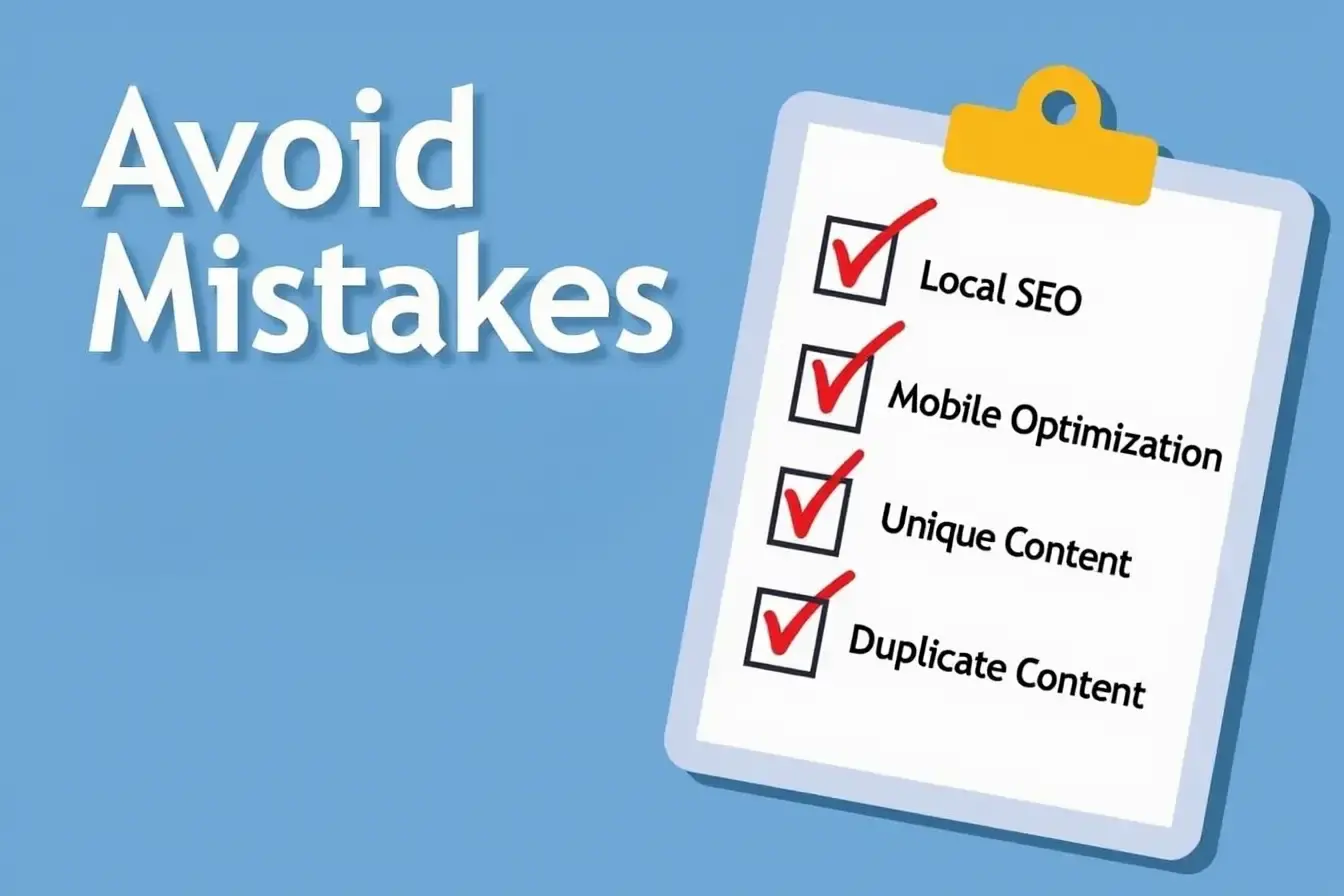
Restaurants often encounter specific SEO pitfalls that can hinder their online visibility. Here are some common mistakes and how to avoid them:
- Neglecting Local SEO:
- Mistake: Not optimizing for local search terms or neglecting Google My Business.
- Solution: Focus on restaurant local seo by claiming and optimizing your Google My Business profile, consistently using local keywords, and ensuring NAP consistency across the web.
- Keyword Stuffing:
- Mistake: Overusing keywords like restaurant seo to the point where content reads unnaturally.
- Solution: Use keywords strategically and naturally. Focus on providing value to the reader while incorporating keywords where they fit contextually.
- Ignoring Mobile Users:
- Mistake: Having a website that’s not mobile-friendly.
- Solution: Ensure your site is responsive, loads quickly on mobile devices, and offers a seamless user experience on smaller screens.
- Duplicate Content:
- Mistake: Copying content from other sources or repeating the same content across multiple pages.
- Solution: Create unique content for each page, and use canonical URLs if duplication is necessary to avoid penalization.
- Not Tracking Analytics:
- Mistake: Not utilizing analytics to understand user behavior and SEO performance.
- Solution: Set up Google Analytics, track key metrics, and adjust SEO strategies based on data insights.
- Poor Site Architecture:
- Mistake: A website with confusing navigation or deep link structures.
- Solution: Design a clear, logical site structure with SEO in mind, including proper use of breadcrumbs, internal linking, and a sitemap.
Adapting to SEO Algorithm Changes
Google’s search algorithms are constantly evolving, which means restaurant SEO strategies must be agile:
- Stay Informed:
- Solution: Regularly follow SEO news, blogs, and Google’s official communications to stay updated on algorithm updates like BERT, Core Web Vitals, or local search changes.
- Focus on Quality Content:
- Challenge: Google increasingly rewards content that provides value to users.
- Solution: Prioritize creating high-quality, useful content that answers customer queries, provides local insights, or shares unique aspects of your restaurant.
- User Experience (UX) Optimization:
- Challenge: Algorithms now emphasize UX factors like page speed, mobile-friendliness, and interactivity.
- Solution: Continuously optimize for speed, ensure your site is accessible, and provide a user-friendly design that encourages engagement.
- Local SEO Adaptations:
- Challenge: Google’s local search algorithms change how businesses appear in local packs.
- Solution: Keep your Google My Business listing up-to-date, respond to reviews promptly, and ensure your local citations are accurate and consistent.
- E-A-T (Expertise, Authoritativeness, Trustworthiness):
- Challenge: Google looks for signs that your content is from an authoritative source.
- Solution: Highlight your chef’s or restaurant’s credentials, feature in local media, and encourage authoritative citations and backlinks.
- Technical SEO Maintenance:
- Challenge: Technical SEO requirements can change with algorithm updates.
- Solution: Regularly audit your site for technical issues like broken links, HTTPS implementation, or schema markup errors. Use tools like Google Search Console to catch issues Google flags.
- Behavioral Signals:
- Challenge: Google uses click-through rates, dwell time, and bounce rates as ranking factors.
- Solution: Optimize meta descriptions and titles to increase click-through rates, and ensure content keeps users engaged to lower bounce rates.
By understanding these common SEO challenges and adapting to algorithm updates, restaurants can maintain and improve their online visibility, ensuring they continue to attract diners through search engines. Remember, SEO is not a set-and-forget strategy but an ongoing process of learning, adapting, and optimizing.