


Upgrade your logistics business with expert website design for logistics companies. Discover innovative, SEO-friendly solutions today!
Top Website Design for Logistics Companies
In the fast-paced and highly competitive logistics and transportation industries, a well-designed website is no longer a luxury—it’s a necessity. Website design for logistics companies plays a pivotal role in streamlining operations, enhancing customer experience, and establishing a strong online presence. With the increasing reliance on digital platforms for shipment tracking, route planning, and customer communication, a professional and user-centric website serves as the cornerstone of a logistics company’s success.
A thoughtfully crafted website not only reflects your brand’s reliability and professionalism but also sets you apart from competitors. By integrating essential features like real-time tracking, intuitive navigation, and mobile responsiveness, you can provide a seamless experience for clients and partners. Additionally, an optimized website with effective SEO strategies ensures that your business is visible when potential customers search for logistics services, giving you a significant competitive edge.
Whether you’re a freight forwarder, trucking company, or warehouse operator, investing in a high-quality website design for logistics companies can transform the way you connect with clients and manage operations. It’s more than just a digital storefront—it’s a strategic tool that drives growth, improves efficiency, and builds trust in a dynamic and demanding market.
Why Website Design Matters for Logistics Companies

A professional and optimized website is indispensable for logistics companies striving to stay competitive in a technology-driven marketplace. It acts as the digital face of your business, shaping first impressions and determining how effectively you can engage with customers. By leveraging cutting-edge website design for logistics companies, businesses can improve operational efficiency, build trust, and foster long-term partnerships.
The Role of a Website in Logistics and Transportation
In the logistics and transportation industries, a website is much more than an online brochure—it’s a dynamic platform that connects businesses with their customers. It serves as the cornerstone of customer engagement by offering a centralized hub for information and services.
Key Benefits of a Well-Designed Website:
- Online Quote Generation: Automating the process of generating freight or shipping quotes saves time and enhances convenience for customers. With instant quotes available through intuitive forms, businesses can improve lead conversion rates.
- Shipment Tracking: Integration of real-time tracking tools allows customers to monitor their shipments at any stage. This feature builds transparency and trust, two essential components of customer satisfaction.
- Improved Communication: Interactive elements like live chat, automated FAQs, and inquiry forms enable seamless communication between the company and its clients, reducing response time and increasing client satisfaction.
From attracting prospective clients to optimizing day-to-day operations, a professionally designed website plays a central role in making logistics companies more efficient and customer-focused.
Essential Features for Logistics Websites
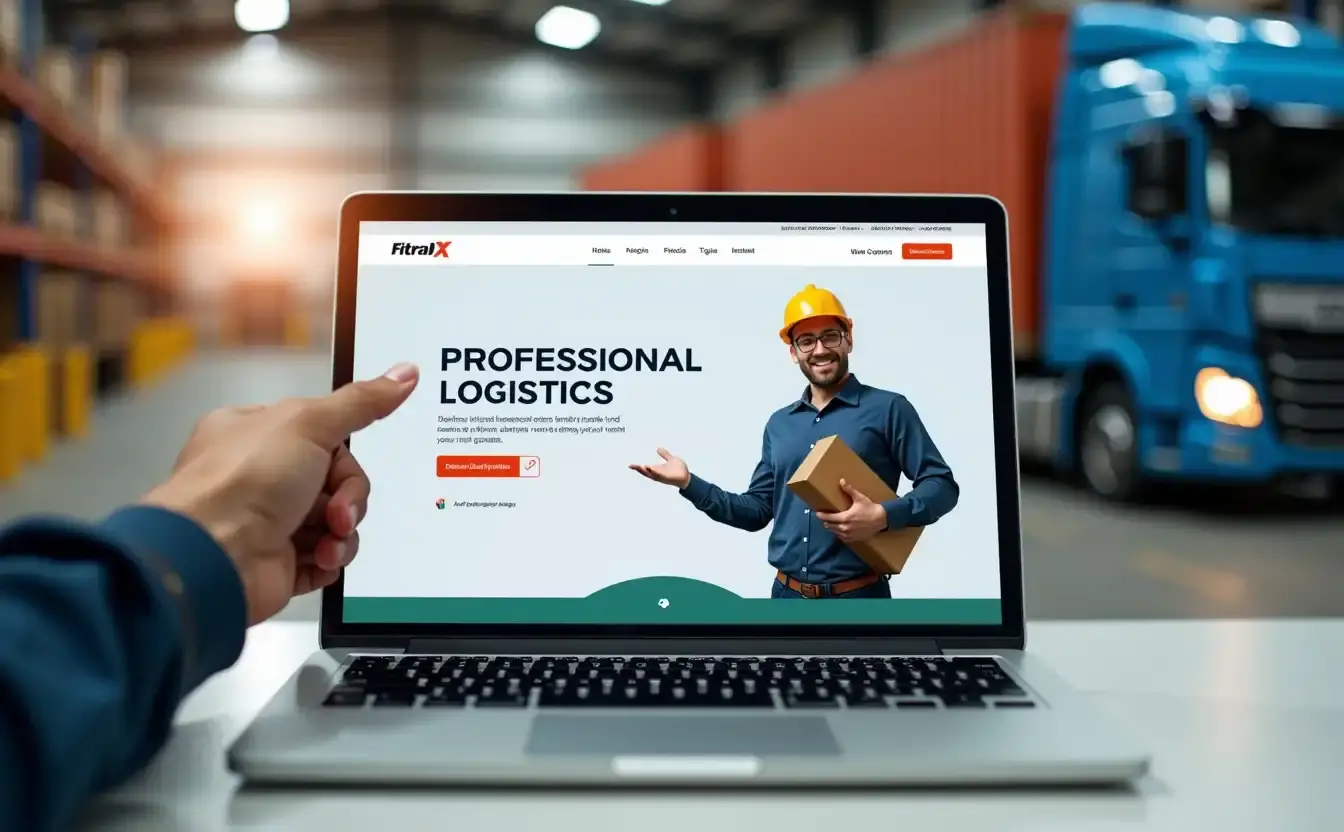
To truly stand out, a logistics website must be equipped with features tailored to the unique needs of the industry. These features not only enhance usability but also ensure seamless customer interaction and operational efficiency.
Must-Have Features for Logistics Websites:
- Real-Time Tracking Integration
- What It Does: Offers customers the ability to view the live status of their shipments.
- How It Works: Uses APIs to integrate tracking data from GPS-enabled fleets, warehouses, or third-party logistics providers into the website’s interface.
- Impact: Enhances transparency, builds trust, and reduces the workload on customer support teams.
- Mobile Responsiveness
- What It Does: Ensures the website works seamlessly across all devices, including smartphones and tablets.
- Why It’s Critical: A significant portion of logistics customers and drivers access websites on the go. Mobile optimization improves user experience, reduces bounce rates, and positively impacts search engine rankings.
- User-Friendly Interfaces
- What It Does: Makes navigation intuitive for visitors, enabling them to quickly find information about services, request quotes, or track shipments.
- Design Approach: Use clean layouts, clearly labeled menus, and prominent call-to-action buttons.
- Impact: Improves engagement and reduces customer frustration, resulting in higher lead conversion rates.
Technical Considerations:
- Implementing content delivery networks (CDNs) to boost website speed.
- Using secure protocols like SSL encryption to protect customer data.
- Employing responsive frameworks such as Bootstrap to streamline mobile-friendly designs.
By incorporating these features, businesses can create a professional and effective website design for logistics companies that caters to both their operational needs and their customers’ expectations.
Key Considerations in Website Design for Logistics Companies
Creating an effective website design for logistics companies involves addressing the unique demands of the logistics and transportation industries. From functional requirements to online visibility, every aspect of the design must align with the operational and marketing goals of the business.
Understanding the Logistics Industry Needs
The logistics industry has distinct requirements that must be reflected in the design and functionality of a website. A generic website design approach will fail to capture the specific workflows and customer expectations that drive this sector. Instead, logistics websites should cater to critical industry-specific needs such as load tracking, freight management, and driver support.
Essential Industry-Specific Features to Consider:
- Load Tracking and Shipment Visibility:
Customers and partners need real-time updates on the status of shipments. The website must integrate with GPS-enabled tracking systems to display accurate data, enhancing transparency and trust. - Freight Management Portals:
A robust logistics website includes portals for customers and business partners to manage freight bookings, invoices, and documentation seamlessly. These portals should be intuitive, secure, and accessible across devices. - Driver Portals:
For companies managing fleets, driver portals are crucial. These interfaces allow drivers to access schedules, upload documents, and communicate with dispatchers efficiently. Integration with route optimization tools can further enhance productivity.
Design Priorities:
- Simplify navigation for different user groups (clients, partners, drivers).
- Optimize features for performance, ensuring minimal load times even with complex integrations.
- Focus on a scalable structure to accommodate future growth, such as additional tools or multilingual capabilities.
Importance of SEO in Logistics Website Design
An exceptional website is only valuable if it can be easily found by potential clients. SEO optimization plays a critical role in ensuring a logistics website ranks high on search engines, driving organic traffic and increasing visibility.
Why SEO Matters in Logistics Website Design:
- Targeted Traffic: SEO helps attract customers actively searching for logistics services. By incorporating keywords like transportation web design, companies can connect with their audience at the right moment.
- Competitive Edge: The logistics industry is crowded, and businesses need a strong online presence to stand out. A well-optimized website levels the playing field, especially for smaller firms competing with established players.
- Local Reach: Many logistics companies serve specific regions or routes. Using local SEO strategies ensures they appear in searches for their target areas, increasing leads and conversions.
Effective SEO Practices for Logistics Websites:
- Keyword Integration:
- Use relevant keywords, such as website design for logistics companies, strategically in headings, content, and metadata.
- Ensure the primary keyword appears no less than 17 times throughout the website for optimal relevance.
- Mobile Optimization:
- Search engines prioritize mobile-friendly websites in their rankings. Ensuring a responsive design boosts both user experience and SEO performance.
- Technical SEO:
- Improve site speed through optimized coding and image compression.
- Implement structured data markup for shipment tracking and service listings to enhance visibility in search results.
- Content Strategy:
- Publish blogs, FAQs, and case studies focused on logistics topics to build authority and improve rankings for relevant searches.
By aligning the website’s design with the logistics industry’s functional needs and SEO best practices, companies can create a powerful digital asset that supports both operational goals and customer acquisition strategies.
Best Practices for Website Design for Logistics Companies
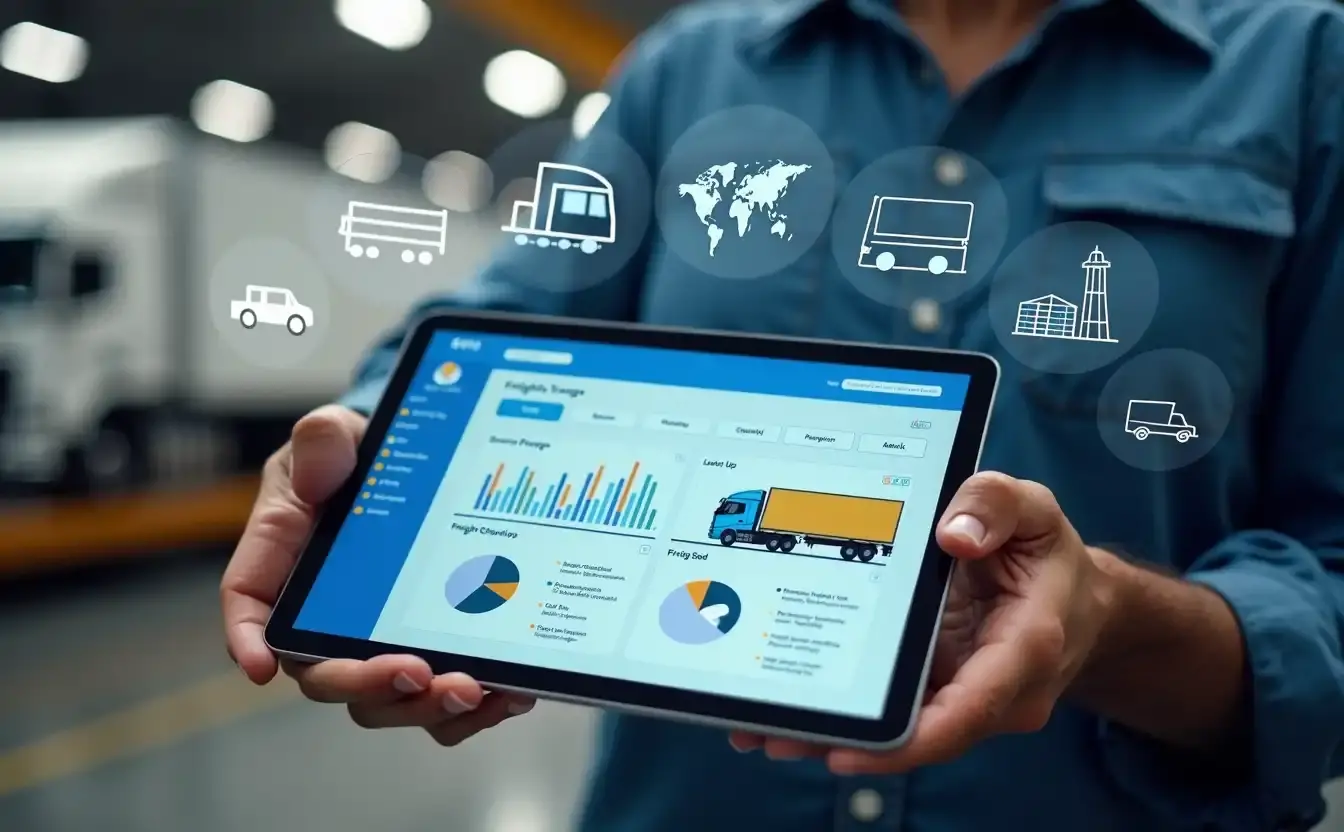
A successful website design for logistics companies is built on industry best practices that balance user experience, functionality, and technical excellence. By adopting proven strategies, logistics companies can create a website that not only attracts visitors but also converts them into long-term clients.
User-Centric Design
The foundation of any effective website is a user-centric approach that prioritizes the needs and expectations of visitors. For logistics companies, this means creating a design that is intuitive, engaging, and tailored to the unique demands of the industry.
Key Considerations for User-Centric Design:
- Clear Navigation: Ensure visitors can quickly find essential information like shipment tracking, service descriptions, and contact options. Use a simple menu structure with well-organized categories.
- Prominent Call-to-Actions (CTAs): Place clear and visible CTAs like “Get a Quote,” “Track Your Shipment,” or “Contact Us” throughout the site to guide users toward their goals.
- Accessibility Standards: Ensure the website meets accessibility standards (e.g., WCAG) to provide an inclusive experience for all users.
Mobile Optimization
In the logistics industry, many users, including clients, drivers, and partners, access websites on mobile devices. A mobile-friendly website is no longer optional—it’s essential for maximizing reach and usability.
Best Practices for Mobile Optimization:
- Responsive Design: Use frameworks like Bootstrap to ensure the website adapts seamlessly to different screen sizes and orientations.
- Simplified Interfaces: Design mobile versions with minimal clutter, focusing on essential functionalities such as tracking tools and quote forms.
- Fast Load Times: Optimize images and use lightweight code to ensure mobile users experience quick loading speeds, which is also critical for SEO rankings.
Speed and Performance
Website performance has a direct impact on both user experience and search engine rankings. Slow-loading websites frustrate users, leading to higher bounce rates and lost opportunities.
Steps to Enhance Speed and Performance:
- Content Delivery Network (CDN): Utilize CDNs to distribute website content across servers, reducing load times for visitors in different locations.
- Optimize Media Files: Compress images and videos without sacrificing quality to ensure faster load times.
- Minify Code: Remove unnecessary characters, spaces, and comments from HTML, CSS, and JavaScript files to streamline code execution.
- Reliable Hosting: Choose a hosting provider with high uptime guarantees and server locations close to your target audience.
By incorporating these best practices into website design for logistics companies, businesses can create a platform that is not only visually appealing but also functional and efficient. These strategies ensure the website delivers a seamless experience for users while meeting the operational needs of the business.
The Role of SEO in Website Design for Logistics Companies
Integrating effective SEO optimization strategies is vital for ensuring that a logistics website achieves maximum visibility on search engines. With an industry as competitive as logistics and transportation, a strong SEO foundation allows businesses to rank higher, attract targeted traffic, and convert visitors into loyal clients. Elements like keyword placement, metadata, and structured content directly impact how search engines perceive and rank your website.
Local SEO for Logistics Businesses
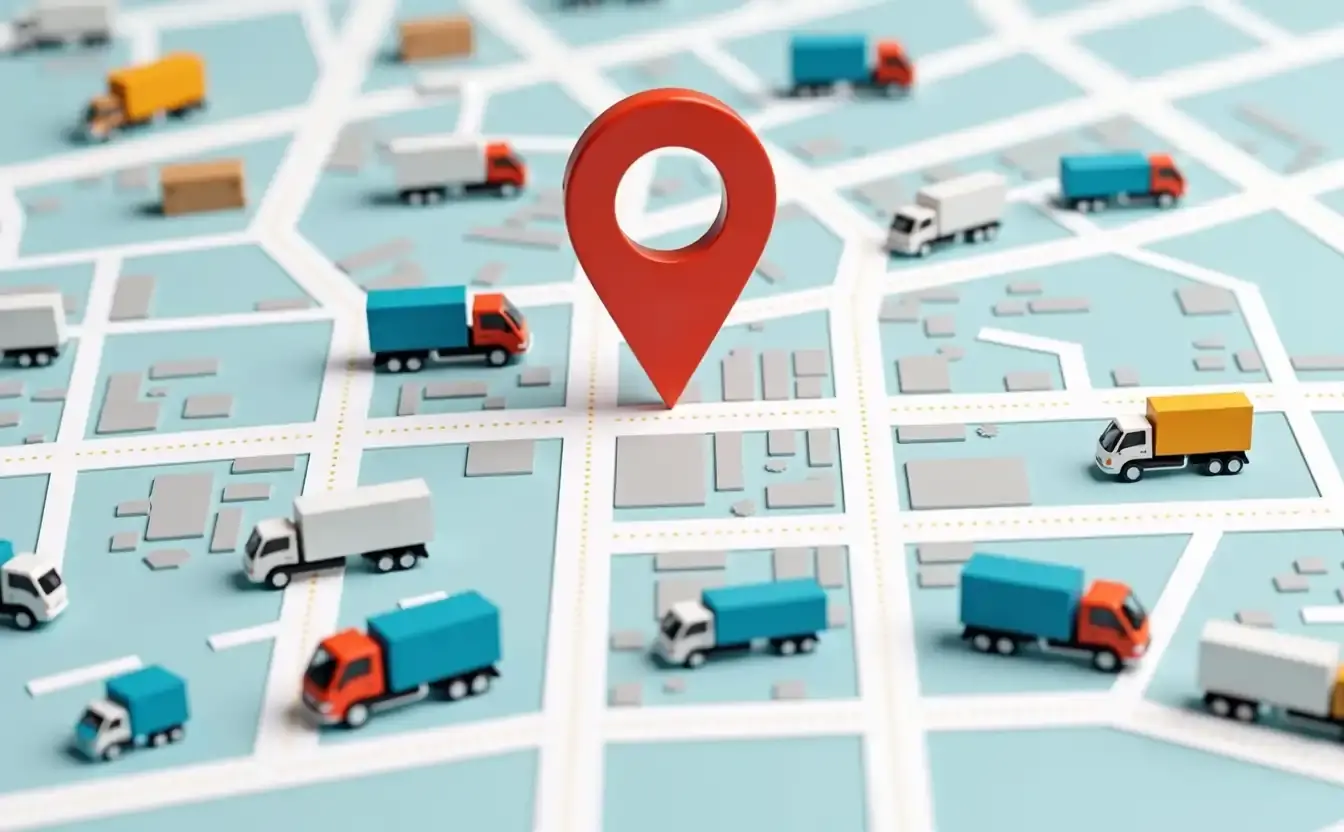
For logistics companies, which often serve specific regions or provide location-based services, local SEO is a game-changer. By focusing on location-based keywords, businesses can capture the attention of potential clients searching for services in their area.
Key Strategies for Local SEO:
- Target Location-Based Keywords: Use terms like “logistics services in [city/state]” or “freight forwarding near [location]” to connect with local audiences.
- Optimize Google Business Profile: Ensure your business is listed on Google Maps with accurate contact details, service descriptions, and reviews.
- Location-Specific Landing Pages: Create pages tailored to individual regions or service areas, incorporating keywords such as transportation web design and highlighting services relevant to that locale.
- Citations and Local Links: Build credibility by acquiring mentions and backlinks from local directories, business associations, and industry publications.
Benefits of Local SEO:
- Increases visibility for searches with geo-specific intent.
- Builds trust by showcasing your presence and expertise in a target market.
- Enhances conversions by connecting you with clients actively looking for nearby services.
Content Strategy for SEO Success
Content is the backbone of any successful SEO campaign, and logistics websites are no exception. By producing valuable and relevant content, businesses can improve rankings and establish authority in their field.
Key Elements of a Winning Content Strategy:
- Blogs:
- Publish articles on logistics trends, transportation tips, and industry challenges.
- Use keywords like website design for logistics companies and towing website design naturally within the content.
- Share how-to guides, success stories, and news to engage readers and drive traffic.
- Landing Pages:
- Develop targeted landing pages for each service (e.g., freight management, warehousing, or fleet optimization).
- Optimize each page with specific keywords and include compelling CTAs to encourage conversions.
- FAQ Sections:
- Include a detailed FAQ section addressing common questions related to logistics services and website features.
- Use structured data markup to improve the chances of appearing in Google’s rich snippets.
- Evergreen Content:
- Create resources like eBooks, checklists, or infographics on topics like “how to choose a logistics company” to maintain long-term relevance.
SEO Technical Enhancements for Content Success:
- Metadata: Write compelling meta titles and descriptions using keywords to improve click-through rates.
- Header Tags: Use H1-H3 tags to structure content for easy readability and SEO optimization.
- Alt Text for Images: Include descriptive alt text for all images, incorporating keywords where appropriate.
By focusing on local SEO and developing a robust content strategy, logistics companies can significantly boost their online presence. A well-optimized website doesn’t just attract traffic—it attracts the right traffic, ensuring better engagement and higher conversion rates. These SEO strategies are fundamental to the success of any website design for logistics companies.
Service Highlights for Logistics Website Design
Creating a professional and functional website design for logistics companies requires a tailored approach that aligns with the unique needs of the industry. Whether you’re in freight forwarding, trucking, warehousing, or towing, specialized design services ensure your website delivers an exceptional experience for your customers while supporting operational efficiency.
Transportation Web Design
Logistics companies involved in freight forwarding, trucking, and warehouse management need websites that can handle complex workflows and provide seamless interaction for customers, partners, and internal teams.
Key Features of Transportation Web Design Services:
- Custom Portals for Freight Forwarding
- Enable customers to book shipments, manage freight schedules, and access real-time data about cargo status.
- Include integration with third-party logistics (3PL) tools for enhanced supply chain visibility.
- Truck Fleet Management Tools
- Provide dashboards where fleet operators can monitor vehicle performance, routes, and driver activities.
- Add APIs for GPS tracking and route optimization to streamline delivery operations.
- Warehouse Management Integration
- Design interfaces for warehouse inventory tracking, stock control, and automated invoicing.
- Include systems that allow clients to view inventory updates or schedule pickups.
Advantages of Transportation Web Design:
- Enhances operational transparency with real-time tracking.
- Boosts client satisfaction by offering self-service tools like shipment quotes and progress updates.
- Improves efficiency by integrating backend logistics systems with the website’s front-end interface.
Towing Website Design
Towing companies have unique needs that require websites to focus on fast response times and simplified customer interactions. A specialized towing website design can streamline the process of connecting stranded drivers with your services.
Key Features of Towing Website Design Services:
- Request Forms with Location Input
- Include easy-to-use forms where customers can enter their location, vehicle details, and service requirements.
- Add GPS integration to capture exact coordinates for faster service dispatch.
- Real-Time Contact Automation
- Implement automated systems that notify customers of estimated arrival times and connect them directly to support teams.
- Include features like SMS notifications for updates and confirmations.
- Service-Specific Pages
- Create individual pages for towing, roadside assistance, and vehicle recovery services.
- Optimize these pages with keywords like towing website design to rank higher in search results.
Advantages of Towing Website Design:
- Increases service efficiency with automated dispatch tools.
- Improves customer trust by providing clear and real-time communication.
- Attracts more local clients through SEO-optimized location-based content.
By offering specialized services like transportation web design and towing website design, businesses in the logistics and transportation industries can build high-performing websites that meet their operational needs and attract a wider audience. These tailored solutions ensure that each website serves as a powerful tool for customer engagement and business growth.
How to Choose the Right Website Design Partner
Selecting the right website design partner is critical for logistics businesses aiming to create an impactful online presence. A well-designed website that aligns with your operational needs and business goals requires collaboration with an agency or service provider that understands the nuances of the logistics and transportation industries. Here are key factors to consider when making this important decision.
1. Look for Expertise in Logistics and Transportation
A website design partner with prior experience in website design for logistics companies will have a deeper understanding of your industry’s unique needs and challenges. Their familiarity with logistics workflows, customer requirements, and technical integrations ensures your website is tailored to meet both operational and user demands.
Key Questions to Ask:
- Have you worked with logistics or transportation businesses before?
- Can you incorporate features like real-time tracking, freight management portals, and driver dashboards?
- Do you understand compliance requirements such as data protection and accessibility standards?
Choosing an expert in logistics web design ensures the end product is both functional and aligned with your industry’s goals.
2. Evaluate Portfolios and Case Studies
A thorough review of an agency’s previous projects can provide valuable insights into their capabilities and design approach. Look for examples of transportation web design or similar projects to assess their expertise and creative potential.
What to Look For in Portfolios:
- Websites with intuitive navigation and user-friendly layouts.
- Integration of logistics-specific features such as shipment tracking, customer portals, or mobile responsiveness.
- Evidence of improved client engagement or operational efficiency through their designs.
Why Case Studies Matter:
Case studies highlight how the agency addressed specific client challenges, demonstrating their problem-solving abilities and results-driven approach. Look for measurable outcomes like increased traffic, improved customer retention, or faster website performance.
3. Ask About SEO and Integration Capabilities
A successful logistics website must not only look good but also perform well in search engines and integrate seamlessly with backend systems. Ensure your website design partner has expertise in SEO optimization and technical integrations that support logistics operations.
SEO Expertise:
- Can they incorporate relevant keywords like website design for logistics companies and towing website design into the site’s content, metadata, and structure?
- Do they understand local SEO strategies to help you target specific regions?
- Have they implemented structured data to improve search engine visibility?
Integration Capabilities:
- Can they connect the website with existing systems like fleet management software, CRM platforms, or warehouse tools?
- Are they proficient in implementing APIs for real-time tracking and customer notifications?
- Can they provide secure solutions for customer portals and payment processing?
What features should a logistics website include?
How does website design impact customer trust?
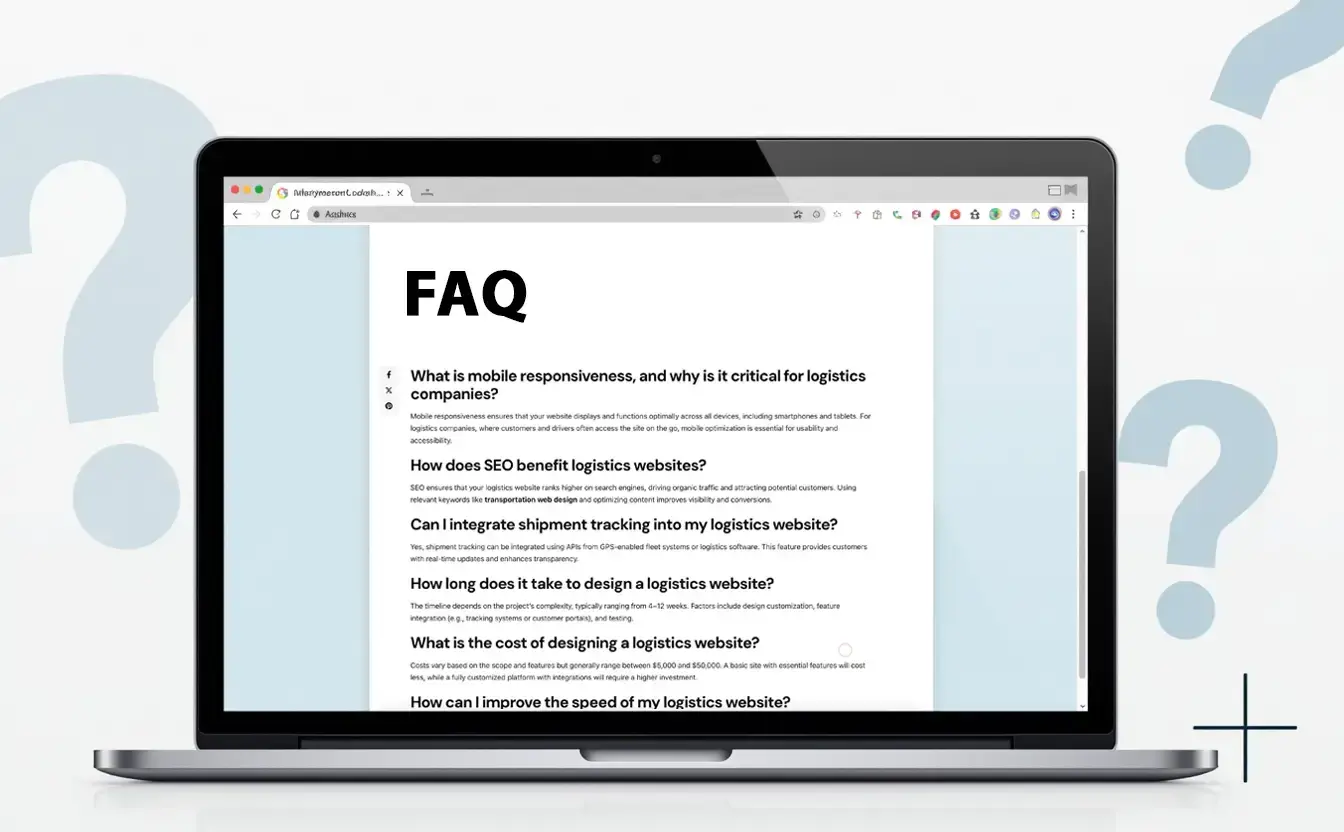
What is mobile responsiveness, and why is it critical for logistics companies?
How does SEO benefit logistics websites?
Can I integrate shipment tracking into my logistics website?
How long does it take to design a logistics website?
What is the cost of designing a logistics website?
How can I improve the speed of my logistics website?
Using optimized images and videos.
Implementing caching and a Content Delivery Network (CDN).
Minimizing code and scripts.
Choosing a high-performance hosting provider.
What is the role of a CMS (Content Management System) in logistics website design?
How do I choose the best hosting service for my logistics website?
High uptime (99.9% or higher).
Fast loading speeds.
Scalability for traffic spikes.
SSL security.
Server locations near your target audience.
Can I redesign my existing logistics website to improve SEO?
What are the best practices for creating a towing company website?
Including simple service request forms.
Optimizing for local SEO to appear in nearby searches.
Adding features like GPS tracking and instant contact options.