



Dominate search with insights from google seo leak. Revamp your SEO strategy and dominate search results.
What is the Google SEO Leak 2025?
The google seo leak 2025 has surfaced as one of the most pivotal events in the SEO community, offering an unprecedented look into the secretive world of Google’s search algorithms. This leak involves thousands of pages of internal documentation that were inadvertently made public, providing insights into over 14,000 ranking factors Google uses to determine search results. Unlike previous leaks or hints, this one gives a detailed snapshot of how Google evaluates websites, offering both confirmation of long-held SEO practices and revelations about new, previously unknown factors.
Why Does This Leak Matter?
The significance of the google seo leak 2025 cannot be overstated for SEO professionals, web developers, and anyone with a digital presence. Previously, much of what was known about Google’s algorithms was speculative or based on reverse-engineering SEO strategies. This leak:
- Validates or challenges existing SEO practices: By confirming some known factors and introducing new ones, this leak provides a clearer roadmap for optimization.
- Prompts strategic reevaluation: Businesses and SEO experts now have the opportunity to refine their strategies based on direct insights rather than guesswork.
- Levels the playing field: With more transparency, smaller businesses or new entrants into the digital space can better compete by optimizing for what Google truly values.
- Encourages ethical SEO: Knowing exactly what Google looks for can steer marketers away from black-hat techniques towards more sustainable, ethical SEO practices.
What is the Google SEO Leak 2025?

Brief overview of what the leak entails:The google seo leak 2025 refers to a significant disclosure of internal Google documentation, revealing intricate details about how the company’s search engine assesses and ranks web pages. This leak encompasses thousands of pages of data, detailing over 14,000 unique ranking signals, including both well-known factors like content quality and less known ones like user engagement metrics. It’s not just a list; it includes specifics on how these signals are weighed and processed by Google’s algorithms, offering a rare glimpse into the inner workings of one of the most influential systems on the internet.
Historical context of previous Google leaks:Google has had several notable leaks in the past, each providing varying levels of insight into its search mechanisms. For instance, there was the 2011 Panda update leak, which emphasized the importance of high-quality content, and the 2015 Phantom update, which focused on content relevance and user engagement. However, the google seo leak 2025 stands out due to its scale and depth, offering more comprehensive data than any previous incident. This leak confirms many assumptions made by SEO experts and introduces new dimensions to consider in SEO strategy formulation.
Why Does This Leak Matter?
Explanation of its significance for SEO professionals and web developers:The google seo leak 2025 has profound implications:
- Strategic SEO Adaptation: With detailed knowledge of Google’s ranking signals, SEO professionals can now tailor their strategies more accurately to what Google favors, potentially improving site rankings dramatically.
- Enhanced Website Development: Web developers can prioritize features and functionalities that align with Google’s criteria for high-ranking sites, such as improved site speed, mobile responsiveness, and user experience.
- Educational Value: This leak serves as an educational tool, allowing for a deeper understanding of SEO beyond surface-level tactics. It’s a learning opportunity for newcomers and veterans alike in the SEO field.
- Transparency and Trust: While Google often keeps its algorithm under wraps to prevent manipulation, this leak paradoxically fosters a more transparent relationship between Google and the SEO community. It might encourage Google to be more forthcoming in the future about its ranking methodologies.
- Market Impact: For businesses, understanding these leaks can mean the difference between thriving or merely surviving online. Companies can leverage this information to gain competitive advantages in search engine results pages (SERPs).
- Ethical SEO Push: With clearer guidelines from the leak, there’s a push towards ethical SEO practices, encouraging content that genuinely benefits users rather than just manipulating search algorithms.
The google seo leak 2025 thus represents a pivotal moment where SEO strategies could pivot towards more data-driven, user-centric approaches, ultimately benefiting the entire internet ecosystem by promoting quality, relevant content.
Key Revelations from the google seo leak 2025
Ranking Factors Unveiled

Discussion on newly revealed or confirmed ranking factors:The google seo leak 2025 has confirmed many suspected ranking factors while introducing some surprising new ones:
- Site Authority: Previously, Google denied using metrics akin to “Domain Authority” for ranking, but the leak confirms a similar internal metric they use, dubbed “siteAuthority”.
- Keyword Stuffing Score: A score specifically designed to penalize or flag content with unnatural keyword density, reinforcing Google’s stance against keyword stuffing.
- SpamRank: A measure of how likely a site is to link to known spam sites, indicating Google’s ongoing battle against link spam.
Comparison with previous known SEO tactics:The leak corroborates the importance of traditional SEO elements like quality backlinks and content relevance but also introduces nuances:
- Entity Understanding: Google’s ability to recognize and rank content based on named entities has been highlighted, showing a shift towards semantic search.
- Topical Relevance: Beyond just having keywords, content must deeply engage with the topic, implying that broad, comprehensive coverage on subjects is favored.
User Interaction Metrics
Detail on how user engagement affects SEO rankings post-leak:User interaction has been more explicitly tied to rankings:
- Clicks and Dwell Time: Google uses metrics like “goodClicks” and “badClicks” to adjust rankings. Pages where users spend more time are favored, suggesting that content must not only attract clicks but retain user interest.
Insights into Google’s use of click data and dwell time:
- NavBoost: This system uses click data to boost or demote pages in search results, confirming that user behavior directly influences SEO beyond initial click-through rates.
- Click Dissatisfaction: If users frequently return to search after visiting a page, Google interprets this as dissatisfaction, potentially lowering the page’s ranking.
Content Quality and Freshness
How Google evaluates content quality and relevance:
- Content Freshness: The leak emphasizes that regularly updated content or content that’s new to the web can receive a ranking boost, particularly for queries where freshness is crucial.
- E-E-A-T (Experience, Expertise, Authoritativeness, Trustworthiness): There’s a clear emphasis on content from authoritative sources, especially in YMYL (Your Money Your Life) topics.
Strategies for maintaining content freshness:
- Regular Updates: Even older content can be revived by updating with new data, insights, or SEO practices.
- Evergreen Content: Creating content that remains relevant over time but is refreshed periodically can maintain high rankings.
Technical SEO Insights
Technical aspects like site speed, mobile-friendliness, and structured data:
- Page Speed: The leak confirms that site speed is a significant ranking factor, with Google potentially using Chrome data to assess user experience on load times.
- Mobile-First Indexing: Mobile usability is not just recommended; it’s critical for SEO, as Google primarily indexes the mobile version of sites.
- Structured Data: Enhanced with more specific details on how Google uses structured data to understand content better, aiding in rich snippets and more accurate search results.
How these are weighted in the new SEO landscape:
- High Priority: Technical SEO has moved from a ‘nice-to-have’ to a ‘must-have’. The leak indicates these aspects can significantly sway rankings, particularly with Google’s focus on user experience and intent.
The google seo leak 2025 has not only confirmed the importance of technical SEO but has also shed light on the nuanced ways Google interprets and weighs these factors, urging a strategic overhaul in how SEO is approached.
Strategic Adjustments for SEO Post-google seo leak 2025
Re-evaluating SEO Strategies
Practical steps to adapt current SEO practices to new insights:
- Audit Your Content: With a clearer understanding of Google’s ranking factors, revisit your content strategy. Evaluate each piece for relevance, depth, and freshness. Update or remove outdated content, ensuring it aligns with the new emphasis on quality and user engagement.
- Focus on User Intent: The leak highlights Google’s advanced understanding of user intent. Ensure your pages answer the questions users are likely asking, using long-tail keywords and comprehensive FAQ sections.
- Keyword Strategy Overhaul: While keywords remain important, their placement and density should be natural and contextually relevant. Move away from keyword stuffing towards a strategy that considers semantic search.
- Monitor and Adjust: Use analytics more aggressively to track how users interact with your site. Look for patterns in bounce rates, time on site, and pages per session to refine your SEO tactics.
Content Development Tactics
Strategies for content creation that align with the leak’s insights:
- Deep Dive Content: Produce in-depth articles or guides that cover a topic thoroughly. This aligns with Google’s focus on topical relevance and expertise.
- Evergreen vs. Evergreen Updates: While evergreen content is valuable, ensure it’s periodically refreshed with new data or insights to maintain relevance and SEO value.
- User-Centric Content: Create content that genuinely aims to solve user problems or answer questions. Use the E-E-A-T principles to guide content creation, emphasizing experience and expertise.
- Multimedia Integration: Incorporate videos, infographics, and interactive elements to increase engagement, which can positively affect dwell time and user satisfaction metrics.
User Experience Optimization
Ways to enhance site UX to meet Google’s new standards:
- Speed Optimization: With site speed confirmed as a ranking factor, prioritize reducing load times through image compression, lazy loading, and efficient coding practices.
- Mobile Optimization: Given mobile-first indexing, ensure your site is not only mobile-friendly but optimized for mobile user experience, including touch-friendly navigation and fast load speeds on mobile devices.
- Intuitive Navigation: Simplify site structure for better user navigation. Implement clear, descriptive headings and a logical flow that keeps users engaged.
- Accessibility: Enhance accessibility to cater to all users, which indirectly improves SEO as Google rewards sites that are accessible to everyone.
Link Building in the New Light
How to approach link building considering the new data from the leak:
- Quality Over Quantity: The leak confirms Google’s emphasis on link quality. Seek backlinks from authoritative, relevant sites rather than focusing on sheer volume.
- Contextual Backlinks: Aim for links within content that naturally fits the topic, rather than generic or paid links. This approach aligns with Google’s “SpamRank” metric.
- Guest Posting with Value: Use guest posting not just for links but to share expertise, drive traffic back to your site, and enhance your brand’s authority in your niche.
- Internal Linking: Improve your site’s structure with thoughtful internal linking, helping Google understand the hierarchy and relevance of your content while also improving user navigation.
- Content That Attracts Links: Create link-worthy content – original research, comprehensive guides, or tools that naturally draw backlinks because of their value to others in the industry.
The google seo leak 2025 has provided a roadmap for SEO professionals to refine their strategies, emphasizing a holistic approach that values quality, user engagement, and technical proficiency. Each of these adjustments not only aims to improve search rankings but also to create a better, more valuable online presence.
Impact on Different Industries
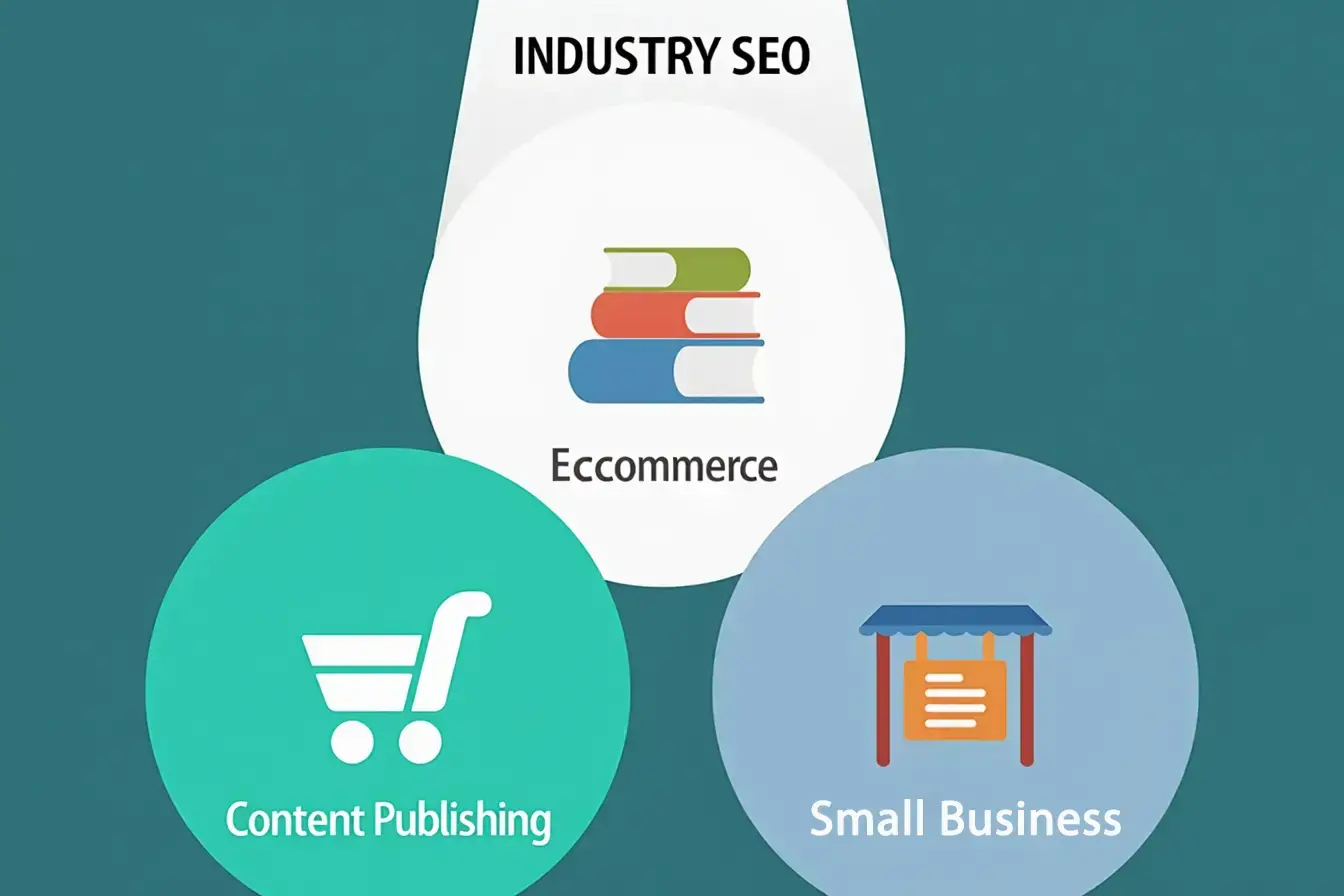
E-commerce
Specific strategies for e-commerce sites to leverage the leak:
- Product Page Optimization: With the emphasis on user interaction metrics, ensure product pages are rich with information, including high-quality images, videos, and detailed descriptions. Use schema markup for products to enhance SERP features like rich snippets.
- User Experience Focus: Speed up your checkout process, optimize for mobile shopping, and ensure easy navigation. The leak underscores the importance of keeping users on your site longer, which can be achieved through an engaging shopping experience.
- Customer Reviews: Encourage and showcase customer reviews. This not only aids in SEO by providing fresh content but also builds trust, which aligns with Google’s focus on E-E-A-T for transactional sites.
- Content Marketing: Beyond product listings, develop content around buying guides, product comparisons, and educational material related to your products. This can attract organic traffic looking for information before making a purchase decision.
Content Publishers
How content publishers can adjust to the new SEO paradigm:
- Content Quality and Depth: Publishers should focus on creating content that answers queries comprehensively. Long-form, well-researched articles that cover topics in-depth are likely to perform well in this new landscape.
- Freshness: Regularly update popular articles to reflect new information, trends, or user feedback. Google’s interest in content freshness suggests that even old content can regain visibility with updates.
- Author Authority: Highlight the credentials of your writers, especially for niche or YMYL topics. The leak confirms that Google recognizes the author as an entity, impacting how content is ranked.
- Diversifying Content Formats: Engage users with different types of content like videos, podcasts, or interactive elements. This can increase dwell time, a metric now confirmed to influence rankings.
Small Businesses
Tailored SEO advice for small businesses to compete effectively:
- Local SEO Enhancements: With Google’s focus on user intent and location, small businesses should ensure their Google My Business listings are up-to-date, reviews are managed, and local keywords are used effectively in content.
- Niche Authority: Build your brand as an authority in a specific niche. The leak emphasizes that Google values sites that have a strong topical relevance. Create content that speaks directly to your local market’s interests or problems.
- Content Strategy on a Budget: Even with limited resources, focus on quality over quantity. A few well-written, highly relevant blog posts or guides can outperform numerous low-quality entries. Use tools like Google’s Keyword Planner to focus on less competitive keywords.
- User Engagement: Small businesses can leverage community engagement through social media or local events to drive traffic and interaction on their site. User engagement metrics are critical, so encourage reviews, comments, and sharing.
- Technical SEO: Don’t overlook the technical aspects due to budget constraints. Use free or low-cost tools to audit your site for speed, mobile-friendliness, and fix any issues that might deter both users and Google from ranking your site higher.
The google seo leak 2025 provides a unique opportunity for businesses across different sectors to refine their online strategies. By understanding and implementing these tailored approaches, e-commerce sites, content publishers, and small businesses can significantly enhance their visibility and effectiveness in search engine results.
Ethical Considerations and Best Practices
Avoiding Black Hat SEO

Discussion on ethical SEO in light of the new information:
The google seo leak 2025 has brought into sharp focus the risks associated with black hat SEO techniques. Here’s how to navigate SEO ethically:
- Embrace White Hat Tactics: With the leak revealing how Google penalizes sites for manipulative practices like keyword stuffing or link schemes, the emphasis should be on creating valuable, user-focused content. Techniques like natural keyword integration, building genuine backlinks, and optimizing for user experience are now more than ever the path to sustainable SEO success.
- Avoid Shortcuts: The leak confirms that shortcuts like buying links or using hidden text can lead to severe penalties or even de-listing. Instead, invest time in organic growth strategies where content quality and user engagement are paramount.
- Continuous Learning: SEO is evolving, and what might have been a grey area before could now be clearly black hat. Regularly update your knowledge on SEO guidelines and best practices, adapting strategies to align with Google’s ethical standards.
- Content Over Manipulation: Focus on providing value through content. The leak underscores Google’s ability to detect and penalize sites that prioritize manipulation over substance. Quality content that meets user needs will always be rewarded.
Transparency with Users
Importance of maintaining transparency in SEO practices:
Transparency isn’t just ethical; it’s now a significant part of SEO strategy post-leak:
- Clear Intent: Be upfront about what your content aims to achieve. Whether it’s selling a product, providing information, or encouraging user interaction, ensure your intentions are clear, which helps in building trust and aligning with Google’s user-first philosophy.
- Disclosure of Relationships: If you’re involved in affiliate marketing, sponsored content, or have any paid partnerships, disclose these relationships. This transparency not only adheres to Google’s guidelines but also fosters trust with your audience.
- Honest Performance Reporting: If you’re an SEO provider, report results accurately. The leak highlights Google’s sophisticated tracking of user interactions, making it harder to inflate or misrepresent SEO achievements. Provide realistic expectations and honest feedback to clients or stakeholders.
- Privacy and Data Use: With Google’s increased focus on user experience, respecting user privacy by being transparent about how you use data collected from your site is crucial. Implement clear privacy policies and ensure compliance with data protection laws.
- Educating Users: Use your platform to educate not just about your products or services but also about SEO and digital marketing practices. This can involve explaining why certain changes to your site or content strategy are being made, aligning with the broader narrative of transparency.
In the context of the google seo leak 2025, ethical SEO isn’t just about avoiding penalties; it’s about creating a digital ecosystem where users can trust the information they find online. This approach not only complies with search engine guidelines but also builds a sustainable, reputable online presence.
Tools and Technologies for SEO Post-Leak
New Tools for SEO Analysis
Overview of tools that have been updated or created to address the leak’s implications:
- Google Search Console Enhancements: Post-leak, Google has subtly updated Search Console to provide more detailed insights, particularly around user engagement metrics like click-through rates and dwell time. These enhancements help in understanding how Google interprets your site’s performance based on the newly confirmed ranking factors.
- Advanced SEO Audit Tools: Tools like Ahrefs, SEMrush, and Moz have introduced or upgraded features to analyze content freshness, site authority, and user interaction signals more deeply. For instance, new modules might focus on semantic SEO, site speed analysis in relation to user experience, or the impact of content updates on SEO performance.
- Reverse Engineering Tools: New software or plugins aim to simulate how Google crawls and ranks pages based on the leak’s insights. These tools can predict potential ranking adjustments by analyzing site structure, content, and user behavior data points.
- Content Quality Analyzers: Tools like Clearscope or MarketMuse have been updated to leverage the leak’s focus on content depth, relevance, and E-E-A-T, helping creators produce content that aligns with Google’s quality signals.
- Mobile Optimization Checkers: With mobile-first indexing confirmed as pivotal, tools have been developed or enhanced to test and optimize sites for mobile usability, speed, and layout beyond basic responsiveness.
Automation and AI in SEO
How AI can assist in adapting to the google seo leak 2025 insights:
- Content Optimization: AI can analyze vast amounts of data to suggest content improvements based on user behavior patterns, search trends, and the new emphasis on content quality and relevance. AI-driven tools can recommend keyword usage, content structure, or even suggest additional topics for coverage to increase topical authority.
- Predictive SEO: AI algorithms can predict how changes to your site might affect SEO based on the leak’s insights. By learning from historical data and comparing it with current trends, AI can forecast potential ranking outcomes, helping to prioritize SEO actions.
- Automated Technical SEO Audits: AI can continuously monitor site health regarding speed, mobile optimization, and structured data implementation. This automation ensures that technical SEO stays aligned with Google’s standards with minimal manual intervention.
- User Experience Enhancements: AI tools can analyze user interaction data to pinpoint areas where the user experience can be improved, such as page layout adjustments, navigation simplification, or content personalization, all of which are now understood to directly influence SEO outcomes.
- Link Building Strategy: AI can assist in identifying link-building opportunities by analyzing the relevance and quality of potential link sources, ensuring strategies are in line with Google’s focus on high-quality, contextual backlinks.
- Content Freshness Management: AI can schedule and suggest when to refresh content based on performance metrics, search trends, and the timing of search engine updates, keeping content relevant in the eyes of Google.
- Voice Search Optimization: With the leak confirming Google’s interest in user interaction across platforms, AI can optimize content for voice search queries, adapting to how users might interact with search in the future.
The integration of these tools and AI technologies into SEO strategies post-google seo leak 2025 allows for a more nuanced, data-driven approach to SEO. It’s about leveraging technology to not only react to Google’s current algorithms but also to anticipate and prepare for future changes in the digital marketing landscape.
Future Predictions Based on google seo leak 2025
Potential Algorithm Changes
Speculating on future Google algorithm updates:
- Enhanced User Intent Understanding: The leak’s focus on user interaction metrics suggests Google might further refine its algorithms to better understand and cater to user intent. We could see more personalized search results based on user history, behavior, and context, with an increased emphasis on semantic search.
- AI and Machine Learning Integration: Google is likely to continue integrating more AI and machine learning into its algorithms, potentially leading to real-time, dynamic ranking adjustments based on user engagement, content freshness, and even current events or trends. This might mean more frequent but smaller updates rather than large, periodic ones.
- Stricter Quality Controls: With the leak confirming Google’s attention to content quality, future updates might introduce even more sophisticated methods to evaluate E-E-A-T, possibly through deeper analysis of author credentials, site reputation, and user feedback.
- Privacy and User Data: In light of increasing privacy concerns, Google might shift towards algorithms that depend less on personal data and more on site performance metrics, which could lead to new ranking factors that prioritize user privacy while still providing relevant results.
- Voice and Visual Search Evolution: As voice and visual queries become more common, Google’s algorithms could evolve to better handle these types of searches, potentially affecting SEO strategies around content format and structure.
Long-term SEO Strategies
Long-term planning for SEO considering the ongoing evolution of search algorithms:
- Content Ecosystem Development: Instead of focusing on individual pages, build a content ecosystem where each piece supports and references others. This strategy would cater to Google’s apparent move towards recognizing and rewarding comprehensive topical authority.
- User-Centric Design: SEO will increasingly merge with user experience design. Long-term strategies should involve continuous UX improvements, ensuring sites are not just SEO-friendly but also provide real value to users, leading to better engagement and retention metrics.
- Invest in AI and Automation: As Google’s algorithms become more complex, using AI to predict trends, optimize content, and automate technical SEO tasks will be crucial. Businesses should look into integrating AI tools that evolve with Google’s updates.
- Focus on Evergreen SEO: While keeping content fresh is important, the emphasis should also be on creating content that retains value over time. This means planning for regular updates to evergreen content to maintain its SEO value.
- Ethical SEO as Standard: With clearer insights into what Google values, ethical SEO practices should become the norm. Long-term strategies should be built around sustainable practices like quality content creation, natural link building, and transparent marketing.
- Diversification of Traffic Sources: Relying solely on Google for traffic will become riskier as algorithms evolve. SEO strategies should include diversifying traffic sources through social media, direct marketing, and other platforms where your audience spends time.
- Education and Adaptation: SEO professionals must commit to ongoing education. The landscape will continue to shift, so staying informed about SEO trends, algorithm updates, and technological advancements will be key to long-term success.
- Local and Global Balance: For businesses with a physical presence, local SEO will remain vital, but there’s also an opportunity for global reach with content that transcends local boundaries, catering to international SEO as Google’s algorithms become more adept at understanding global versus local intent.
The google seo leak 2025 has provided a unique window into Google’s SEO priorities, guiding long-term strategies towards a more nuanced, user-focused approach that anticipates rather than reacts to changes in search technology.