


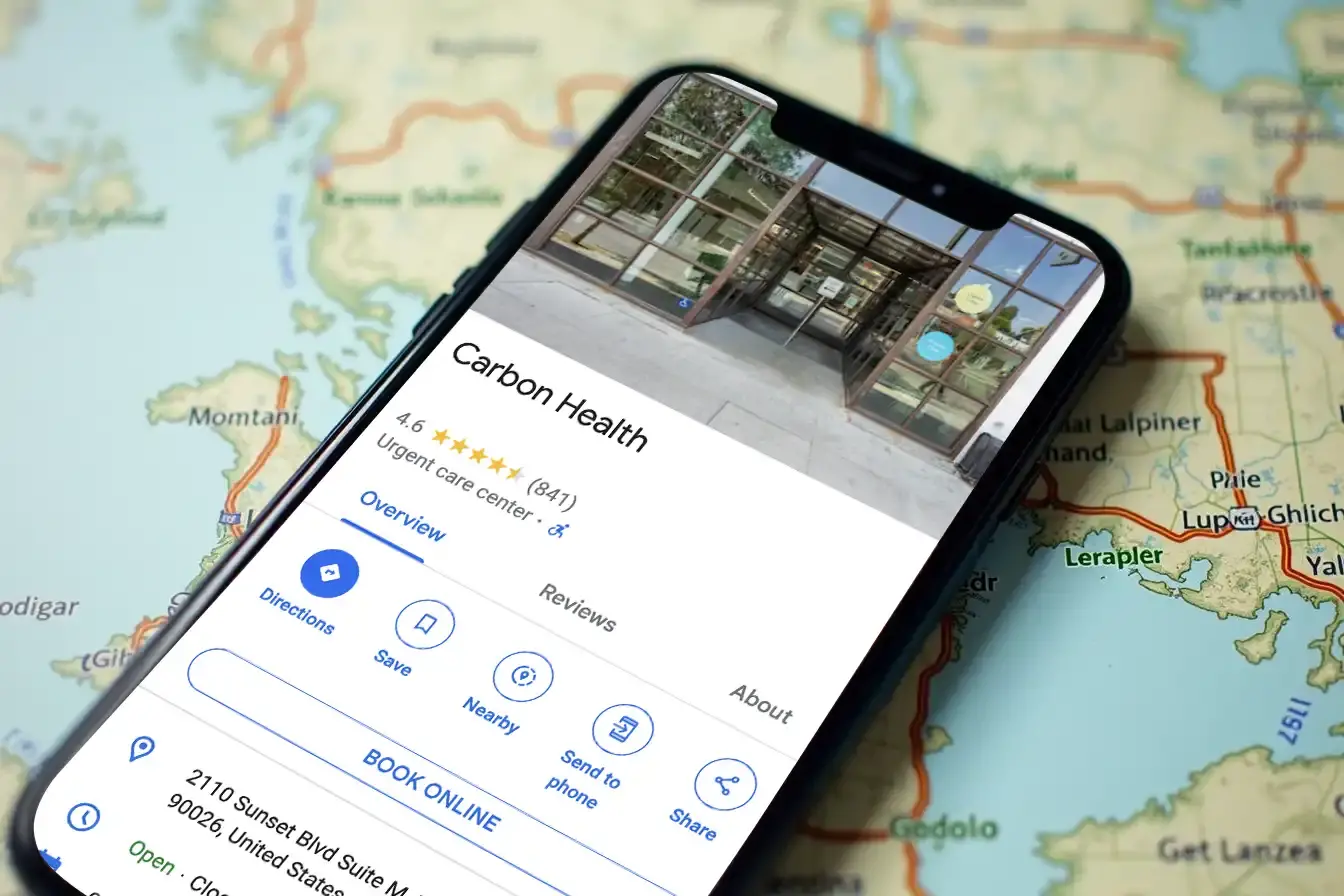
Transform your practice with doctor website design. Replace your old site now for better SEO and patient engagement.
Revolutionary Doctor Website Design
In the realm of healthcare, where trust and professionalism are paramount, the design of a doctor’s website plays a pivotal role. A well-crafted doctor website design not only serves as the digital face of your practice but also as a critical tool for patient acquisition, engagement, and retention.
The Digital Doorway to Your Practice
Imagine your website as the digital doorway to your practice. The first impression it makes can either invite patients in or turn them away. A professional doctor website design is not just about aesthetics; it’s about creating an intuitive, accessible, and informative experience that mirrors the care and precision you offer in your medical services.
Why Invest in Doctor Website Design?
- Brand Integrity: Your website reflects your brand. A sleek, professional design communicates reliability, expertise, and care, which are essential in healthcare.
- Patient Engagement: A user-friendly interface with easy navigation and clear calls-to-action can greatly enhance patient interaction, making it simpler for them to schedule appointments, find information, or contact your office.
- Competitive Edge: In a saturated market, standing out is key. An innovative doctor website design can differentiate your practice from competitors by offering a superior online experience.
- SEO Benefits: Beyond visual appeal, the structure and content of your site should be optimized for search engines. Including keywords like doctor website design, seo doctor, and SEO for Doctor Websites strategically can improve your visibility online, making it easier for potential patients to find you.
- Accessibility: Your website must be accessible to all users, including those with disabilities, ensuring compliance with laws like the ADA (Americans with Disabilities Act). This not only broadens your audience but also demonstrates inclusivity in your practice.
Key Elements of a Successful Doctor Website Design
To truly elevate your healthcare online presence, consider:
- Mobile Optimization: With the majority of searches now performed on mobile devices, your doctor website design must be responsive, providing a seamless experience across all screen sizes.
- Content Strategy: High-quality, informative content that uses keywords like Doctor Website Development and website development for doctors not only educates but also improves your SEO ranking.
- Security and Privacy: Given the sensitive nature of medical information, your site must prioritize security with SSL certificates and HIPAA compliance considerations.
- User Experience (UX): The layout, speed, and usability of your site should cater to an audience that might not be tech-savvy, ensuring that information like practice hours, services, and emergency contacts is easily accessible.
Understanding the Importance of Doctor Website Design

The digital landscape has transformed how healthcare services are discovered, evaluated, and chosen. In this context, doctor website design emerges not just as an element of marketing but as a fundamental component of patient care and practice management.
Why a Professional Doctor Website is Crucial
A professional doctor website design is indispensable for several reasons:
- First Impressions Matter: Your website often serves as the first point of contact between you and potential patients. It sets the tone for your professionalism and the quality of care you provide. A dated or poorly designed site can imply similar standards in your medical practice.
- Patient Acquisition: With a significant portion of patients searching for healthcare providers online, your website is your primary tool for attracting new patients. A well-designed site optimized with keywords like seo doctor and SEO for Doctor Websites can rank higher in search engine results, driving more traffic and potential patient interactions.
- Trust and Credibility: In healthcare, trust is everything. A professional look and feel, coupled with accurate, up-to-date information, establishes your practice as credible and trustworthy. This is especially pivotal when patients are making decisions about their health.
- Digital Presence in a Digital Age: As technology advances, so does patient expectation for digital interaction. A professional doctor website design ensures you meet these expectations, providing services like online appointment booking or access to health records, which are becoming standard.
Key Benefits of a Well-Designed Doctor Website
Investing in a stellar doctor website design yields numerous benefits:
- Enhanced User Experience (UX): A well-designed site simplifies navigation, making it easier for patients to find what they’re looking for, whether it’s your location, services, or how to contact you. This ease of use can significantly reduce administrative workload by providing patients with self-service options.
- Improved SEO Performance: By incorporating keywords such as Doctor Website Development and website development for doctors, you not only improve your site’s visibility but also attract more targeted traffic. This can lead to higher conversion rates from visitor to patient.
- Brand Building: Your website is a platform to showcase your brand’s ethos, achievements, and unique services. A cohesive design that aligns with your practice’s branding strengthens your identity in the marketplace.
- Patient Retention: A site that offers value through educational content, updates on health news, or reminders for check-ups can keep your patients engaged and loyal over time.
- Feedback Loop: A well-designed website can facilitate feedback through surveys or review sections, allowing you to gather insights directly from patients to continually improve your services.
- Cost-Effective Marketing: Compared to traditional advertising, maintaining a dynamic and informative website is a cost-effective way to market your practice, reaching a broader audience without the recurring high costs of print or broadcast media.
- Accessibility and Compliance: Ensuring that your site is accessible to all users, including those with disabilities, not only broadens your audience but also ensures you’re meeting legal standards like ADA compliance, which can be crucial for both ethical and legal reasons.
By understanding these elements, healthcare providers can leverage doctor website design to not only meet but exceed patient expectations, thereby enhancing their practice’s reputation and operational efficiency in the digital era.
Elements of Effective Doctor Website Design
Crafting an effective doctor website design involves balancing aesthetics with functionality to create a user-friendly, engaging, and professional online presence. Here’s how:
User Experience (UX) for Patient Engagement
The user experience is pivotal in healthcare websites, where patients might be seeking information under stress or for urgent health queries.
- Navigation Simplicity: The site should have a clear, intuitive navigation structure. Patients should find it easy to locate services, contact information, appointment booking, or medical advice. Use clear labels like “Services,” “Contact Us,” “Make an Appointment,” ensuring they’re visible and logically placed. Avoid clutter; if your practice offers many services, consider a dropdown menu or a dedicated services page.
- Mobile Responsiveness: With a significant percentage of internet users accessing sites via mobile devices, your doctor website design must be responsive. This means your site should automatically adjust to fit the screen size of any device, ensuring readability and ease of use on smartphones and tablets. Mobile users should experience the same quality of navigation and information access as desktop users.
Aesthetic and Functional Design
The visual appeal of your website does more than attract visitors; it communicates your brand’s professionalism and care.
- Color Schemes and Branding: Choose colors that reflect your practice’s brand identity while considering the psychological impact of colors in healthcare settings. Calming colors like blues or greens can convey trust and tranquility. Ensure your branding—logo, fonts, and color palette—is consistent across all pages, reinforcing your practice’s identity and making your site memorable.
- Informative Yet Visually Appealing Layout: Information should be presented in an easily digestible format. Use:
- Headlines and Subheadings: Clearly labeled sections with keywords like doctor website design help in guiding the reader through the content.
- White Space: Adequate spacing between elements reduces visual clutter, making the website feel less overwhelming.
- Images and Videos: Use high-quality images of your practice, staff, or medical procedures (with consent), but keep them relevant. Videos can explain procedures or introduce your staff, enhancing engagement but must be optimized not to slow down the site.
- Content Hierarchy: Prioritize information based on what patients seek most often. For instance, “Contact Information” or “Emergency Services” should be prominently displayed.
Incorporating these elements into your doctor website design ensures that your site not only looks professional but also functions in a way that supports patient care, trust-building, and effective communication. The goal is to create a website where patients feel their needs are understood and met before they even walk through your door.
SEO Doctor: Strategies for Top Google Rankings
In the competitive landscape of healthcare, ensuring your doctor website design is SEO-optimized is essential for visibility. Here’s how you can leverage SEO strategies tailored for doctors:
Keyword Research for Doctor Websites
Understanding and implementing the right keywords is the foundation of SEO for healthcare professionals:
- Importance of doctor website design, seo doctor, SEO for Doctor Websites: These keywords are pivotal because they directly relate to what potential patients might search for when looking for medical services online. Doctor website design not only pertains to the aesthetic and functional aspects but also to how well the site is constructed for SEO. SEO doctor and SEO for Doctor Websites focus on the optimization practices specific to medical practitioners, ensuring that your site ranks well for those seeking healthcare services.
- Keyword Usage: Integrate these keywords naturally into your site’s title tags, meta descriptions, content, and even in URLs where appropriate. Ensure they reflect the services you offer and the audience you aim to reach.
- Long-Tail Keywords: Consider using longer, more specific phrases like “best doctor website design for pediatricians in [Your City]” or “affordable seo doctor services” to capture niche markets.
On-Page SEO Techniques
On-page SEO involves optimizing elements within your website to rank higher and earn more relevant traffic:
- Doctor Website Creation with SEO in Mind: From the outset, your site should be built with SEO in mind. This means:
- Content Relevance: Write content that answers common patient questions, using keywords naturally. For instance, articles on health tips or explaining procedures can include phrases like Doctor Website Development or website development for doctors.
- Meta Tags: Use title tags and meta descriptions to succinctly describe your page content, incorporating keywords like doctors seo. For example, “Expert Doctor Website Design Services for Enhanced Patient Engagement – SEO Optimized”.
- Headers and URL Structures: Use H1, H2, and H3 tags to structure content with keywords. URLs should be clean, descriptive, and include keywords where possible, like /doctor-website-design-services.
Off-Page SEO for Doctors
Off-page SEO focuses on increasing your site’s authority and relevance through actions taken outside of your website:
- Backlink Strategies Specific to Healthcare:
- Quality Over Quantity: Seek backlinks from reputable healthcare sites, medical directories, or educational platforms. For instance, guest posting on health blogs or contributing to medical journals can provide high-quality backlinks.
- Local Healthcare Partnerships: Collaborate with local health organizations, hospitals, or community health events. These can lead to citations or mentions that link back to your site, boosting local seo doctors marketing.
- Patient Reviews: Encourage satisfied patients to leave reviews on platforms like Google My Business, Healthgrades, or Zocdoc. These not only act as backlinks but also contribute to your site’s credibility and local SEO.
- Engagement in Medical Forums: Participate in health-related forums or Q&A sites like HealthTap or WebMD, where you can link back to your website in your profile or answers, albeit in a non-spammy way.
By integrating these SEO strategies into your doctor website design, you elevate your practice’s online visibility, ensuring that when potential patients search for medical services, your website is among the first they encounter.
Doctor Website Development: Building Your Online Clinic

Developing a doctor’s website goes beyond mere aesthetics; it’s about creating a digital clinic that serves as an extension of your physical practice. Here’s how to approach Doctor Website Development:
Choosing the Right Platform
The foundation of your online clinic is the platform you choose to build your website on. Consider these factors:
- Ease of Use: Look for platforms that offer user-friendly interfaces, especially if you or your staff will be managing the site. Platforms like WordPress with healthcare-focused themes are popular due to their simplicity and customization options.
- SEO Capabilities: The platform should support SEO best practices out-of-the-box or through plugins/extensions. This includes control over meta tags, URL structures, and content management for SEO.
- Security: Given the sensitive nature of medical information, prioritize platforms with strong security features or those that allow easy integration of security measures like SSL certificates.
- Scalability: Your needs might grow; choose a platform that can handle increased traffic, additional functionalities, or even multiple locations if your practice expands.
- Integration: The platform should allow seamless integration with healthcare software for features like appointment scheduling or patient portals.
Custom Features for Doctor Websites
To truly transform your website into an online clinic, consider these custom features:
- Appointment Scheduling:
- Online Booking: Implementing an online booking system where patients can schedule, reschedule, or cancel appointments directly from your website saves time for both patients and your staff. This feature should be:
- User-friendly
- Integrated with your existing calendar system to avoid double bookings
- Capable of sending automated reminders via email or text
- Availability: Show real-time availability, perhaps with different color codes for different doctors or types of appointments, making it easy for patients to see when they can be seen.
- Online Booking: Implementing an online booking system where patients can schedule, reschedule, or cancel appointments directly from your website saves time for both patients and your staff. This feature should be:
- Patient Portal Integration:
- Secure Access: Patients should be able to log into a secure area of your site to access their medical records, view lab results, or communicate with their healthcare provider.
- Functionality: Include features like:
- Requesting Refills: Patients can request medication refills directly through the portal.
- Message Your Doctor: A secure messaging system for non-urgent queries or follow-ups.
- Health Records: Access to past visit summaries, test results, and upcoming appointments.
- Privacy Compliance: Ensure all patient data interactions are HIPAA compliant with encryption, secure logins, and audit trails for any data access.
By incorporating these features into your Doctor Website Development, you’re not just building a website; you’re enhancing your practice’s efficiency, patient satisfaction, and engagement. This approach to website development ensures your digital presence is as comprehensive and caring as your physical one, providing a seamless blend of technology and healthcare.
Website Development for Doctors: Technical Considerations
When developing websites for doctors, certain technical aspects are paramount, not just for functionality but for safeguarding patient information and enhancing user experience.
Ensuring Security and Compliance
Security is non-negotiable in healthcare:
- HIPAA Compliance for Patient Data:
- Data Encryption: All patient data, whether at rest or in transit, should be encrypted. This includes any form submissions, emails, or data stored on your site.
- Secure Access Controls: Implement robust authentication measures for any patient portal or admin areas. Multi-factor authentication (MFA) can provide an additional layer of security.
- Privacy Policies: Clearly state how patient data is used, stored, and protected. Ensure your privacy policy is accessible, transparent, and compliant with HIPAA regulations.
- Regular Audits: Conduct or hire for periodic security audits to identify and rectify vulnerabilities. This includes reviewing access logs, ensuring software is up-to-date, and checking for compliance with the latest HIPAA rules.
- Training: Educate your staff on data security practices to avoid human error, which is often a significant risk factor.
Performance Optimization
A fast, efficient website not only improves patient experience but also has SEO benefits:
- Load Speed:
- Optimize Images: Compress images without significantly reducing quality. Use appropriate file formats (JPEG for photographs, PNG for graphics needing transparency).
- Minimize HTTP Requests: Combine files where possible, like CSS and JavaScript, to reduce the number of server requests.
- Content Delivery Network (CDN): Use a CDN to serve your site’s static content from servers closer to the user, reducing load times.
- Caching: Implement server-side and browser caching to store parts of your site temporarily, speeding up subsequent visits.
- SEO Implications:
- Page Speed and SEO: Google uses page speed as a ranking factor. A faster site can improve your rankings, leading to better visibility for keywords like doctor website design or SEO for Doctor Websites.
- Mobile Optimization: Since Google’s mobile-first indexing, ensuring your site loads quickly on mobile devices is crucial, affecting both SEO and user experience.
- Accessibility: Faster load times also mean your site is more accessible to users with slower internet connections or on mobile data, potentially broadening your patient base.
- User Retention: A website that loads quickly reduces bounce rates. Patients are more likely to explore your services, read articles, or book appointments if they don’t have to wait.
By focusing on these technical considerations in Website Development for Doctors, you ensure that your online clinic not only adheres to the highest standards of security and privacy but also provides a seamless, efficient, and patient-friendly experience. This approach not only protects sensitive medical information but also positions your practice favorably in search engine results, enhancing your digital footprint in the healthcare landscape.
Doctors SEO: Local SEO Strategies for Healthcare Professionals
For doctors, especially those with physical practices, local SEO is vital for capturing nearby patients who are actively searching for medical services in their area. Here’s how to implement effective local SEO strategies:
Local SEO Doctors Marketing
Local SEO focuses on optimizing your online presence to attract more business from relevant local searches. Here’s how:
- Google My Business Optimization:
- Claim and Verify Your Listing: Ensure your practice is listed on Google My Business (GMB). Fill out every detail, from your practice’s name, address, phone number (NAP), to office hours, services, and photos.
- Keep Information Updated: Regularly update your GMB profile with new photos, posts about your services, and any changes in business hours or contact details.
- Encourage Engagement: Respond to reviews, questions, and updates from Google. This interaction can improve your ranking and shows potential patients that you’re active and communicative.
- Local Citations and Directory Listings:
- Consistency is Key: Ensure your NAP details are consistent across all online directories. Inconsistencies can confuse search engines and lower your local SEO.
- Choose Relevant Directories: List your practice in healthcare-specific directories like Healthgrades, Zocdoc, or local chambers of commerce. Also, general directories like Yelp are beneficial.
- Quality Over Quantity: Focus on reputable, well-trafficked sites for citations. Less authoritative or spammy directories might do more harm than good.
Leveraging Reviews for SEO
Reviews play a significant role in local SEO and patient trust:
- Encouraging Patient Reviews:
- Make It Easy: Provide straightforward ways for patients to leave reviews after their visit, perhaps through email follow-ups or links on your website.
- Educate Patients: Inform patients about the importance of reviews, not just for SEO but for helping others choose healthcare providers. However, never incentivize or solicit fake reviews.
- Respond to Reviews: Engage with all reviews, whether positive or negative. A thoughtful response shows you value patient feedback and can turn a negative experience into a positive one in the eyes of potential patients.
- Showcase Reviews: Display positive reviews on your website (with permission) or share them on social media. This not only boosts SEO but also builds credibility.
- Monitor: Use tools or set up alerts to stay on top of new reviews across platforms. Quick responses can mitigate negative feedback and highlight positive experiences.
By implementing these local SEO strategies, doctors can significantly enhance their visibility in local search queries, making it easier for potential patients to find and choose their practice. This approach not only drives more foot traffic but also establishes your practice as a trusted healthcare provider in your local community.
SEO for Doctor: Continuous Improvement and Adaptation

In the ever-evolving world of SEO, staying ahead requires continuous monitoring and adaptation, especially for doctors aiming to maintain high visibility online.
Regular SEO Audits
An SEO audit is not a one-time task but an ongoing process to ensure your site remains optimized:
- Audit Frequency: Conduct comprehensive SEO audits at least quarterly or after significant updates to your website or Google’s algorithms. However, keep an eye on key metrics monthly to catch issues early.
- What to Check:
- Technical SEO: Verify site speed, mobile responsiveness, URL structure, and ensure there are no crawl errors or broken links. Tools like Google Search Console can help identify these issues.
- On-Page SEO: Review content for relevance, keyword usage (like seo doctor or SEO for Doctor Websites), meta descriptions, and title tags. Ensure your content still aligns with what users are searching for.
- Backlinks: Assess the quality of incoming links. Remove or disavow toxic links and look for opportunities to gain more high-quality backlinks.
- Local SEO: Confirm your Google My Business listing is up-to-date, check for consistent NAP across directories, and monitor local citations.
- Actionable Insights: An audit should always lead to an action plan. Whether it’s improving site speed, updating content, or fixing technical glitches, each audit should result in specific, measurable steps for improvement.
Keeping Up with Google Algorithm Changes
Google’s algorithm updates can significantly impact your SEO strategy:
- Stay Informed:
- Follow SEO blogs, Google’s official blog, and industry news to keep updated on algorithm changes. Websites like Moz, Search Engine Land, or Google’s Webmaster Central Blog are good sources.
- Understand the Changes:
- When updates occur, especially major ones, analyze how they might affect healthcare SEO. For instance, updates focusing on user experience, mobile-first indexing, or E-A-T (Expertise, Authoritativeness, Trustworthiness) are particularly relevant for doctors.
- Adapt Quickly:
- If an update seems to negatively impact your site’s rankings:
- Review your content to ensure it meets the new criteria (e.g., more emphasis on quality and expertise if that’s what the update targets).
- Check for over-optimization or practices that the new update might penalize.
- Experiment with new SEO practices that align with the update’s focus, like improving page speed or enhancing mobile usability.
- If an update seems to negatively impact your site’s rankings:
- Long-term Strategy:
- Instead of reacting only to algorithm changes, build a robust SEO strategy that inherently aligns with Google’s goals of user satisfaction, relevance, and quality. This includes:
- Creating authoritative, well-researched content.
- Ensuring your site is fast, secure, and mobile-friendly.
- Building genuine, quality backlinks.
- Instead of reacting only to algorithm changes, build a robust SEO strategy that inherently aligns with Google’s goals of user satisfaction, relevance, and quality. This includes:
By committing to regular SEO audits and adapting to algorithm changes, doctors can ensure their online presence remains strong, relevant, and visible to potential patients. This continuous improvement approach not only helps in maintaining SEO rankings but also in providing value to your patients through an ever-improving digital experience.
SEO for Doctor Websites: Tools and Analytics
Leveraging the right tools and analytics is crucial for doctors to optimize their websites effectively for SEO. Here’s how to use these resources:
SEO Tools for Doctors
There’s a plethora of SEO tools available, but here are some particularly useful for healthcare professionals:
- Tools for Keyword Tracking and Site Analysis:
- Google Keyword Planner: Essential for researching keywords related to doctor website design, seo doctor, or SEO for Doctor Websites. It helps in understanding search volume and competition for keywords.
- SEMrush: Not only does it provide keyword research, but it also offers insights into competitors’ strategies, backlink analysis, and site audits. Its features can help pinpoint where your site stands in terms of SEO and what can be improved.
- Ahrefs: Excellent for backlink analysis, which is crucial in healthcare where authoritative links can significantly boost your site’s credibility. It also offers keyword research and content analysis tools.
- Moz: Offers tools like Moz Pro for comprehensive SEO audits, keyword research, and link building. Moz’s Page Authority and Domain Authority scores can give you a quick overview of your SEO health.
- Yoast SEO (for WordPress users): If your site is on WordPress, Yoast provides real-time SEO feedback on your content, helping optimize each page for keywords, readability, and more.
Using Analytics to Refine SEO Strategies
SEO isn’t just about pushing your site up in rankings; it’s about understanding user behavior to make informed decisions:
- Google Analytics:
- Traffic Sources: Understand where your visitors are coming from (organic search, referrals, direct traffic). This can help focus your SEO efforts on the most effective channels.
- User Behavior: Look at metrics like bounce rate, pages per session, and average session duration. High bounce rates might indicate irrelevant content or poor user experience.
- Conversion Tracking: Set up goals to track how well your site converts visitors into patients. Are they booking appointments or contacting you? This can guide content creation and site structure.
- Audience Insights: Learn about your audience’s demographics, interests, and behaviors. Tailor your content and SEO strategies to match their needs and search habits.
- Google Search Console:
- Search Queries: See which queries are bringing people to your site. This can reveal new keyword opportunities or validate your current keyword strategy.
- Site Performance: Monitor how Google sees your site, including any crawl errors, sitemap issues, or mobile usability problems.
- Backlink Information: View which sites link to yours, providing insights into your backlink profile’s health and opportunities for further link building.
- Heatmap and Session Replay Tools (like Hotjar or Crazy Egg):
- These tools show where users click, how far they scroll, and how they navigate your site. This visual data can be invaluable for optimizing user experience, which indirectly boosts SEO through better engagement metrics.
By integrating these tools and analytics into your SEO strategy, you can move beyond guesswork, making data-driven decisions that enhance your site’s visibility, user experience, and ultimately, your practice’s success in attracting and retaining patients. Remember, SEO for doctor websites is an ongoing journey, not a destination, and these tools are your compass for navigating the digital landscape.