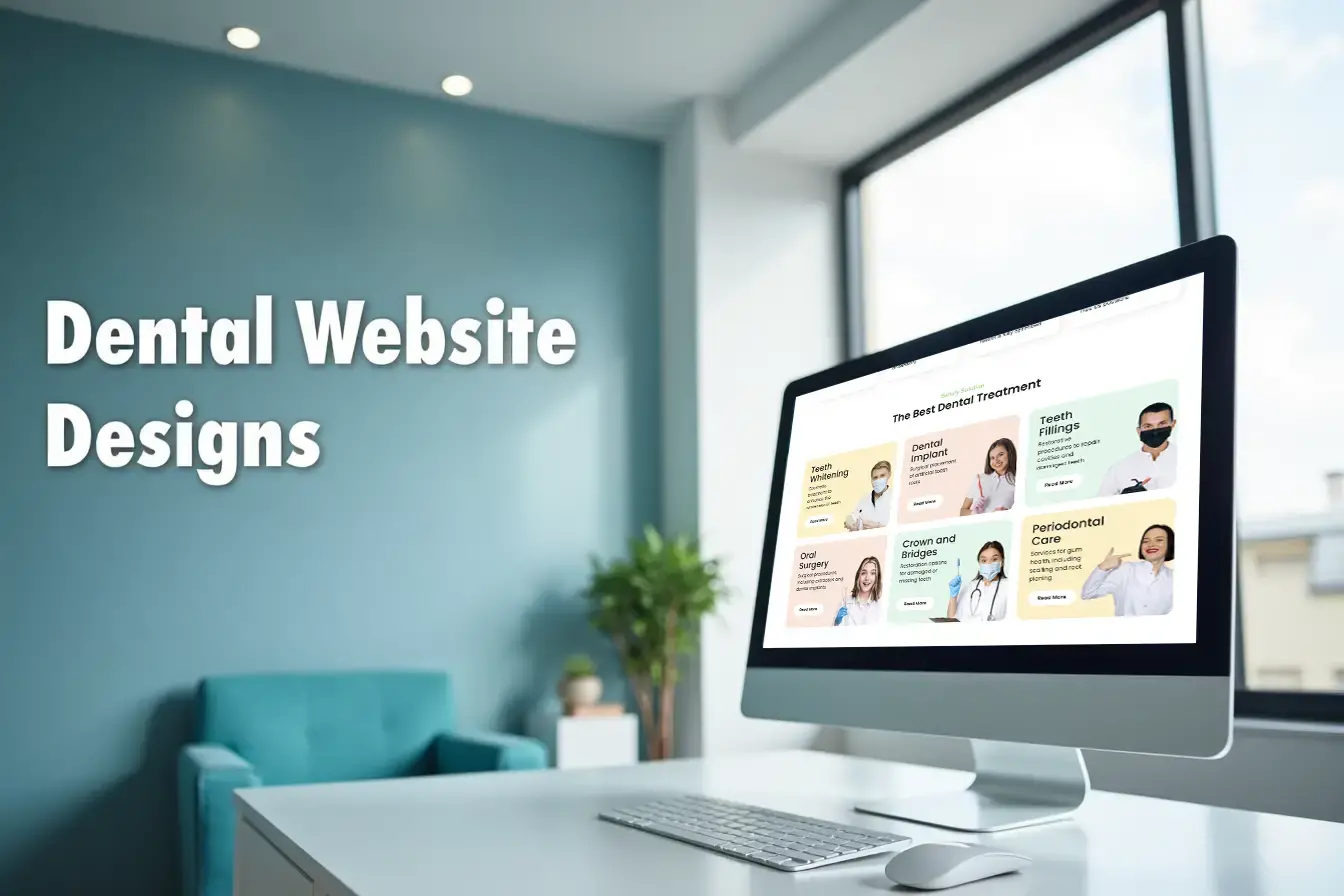
Upgrade to the best dental website designs. Drive patient engagement, build trust, and grow your practice with a professional website.
Top Dental Website Designs
In the competitive world of dental practices, having a well-designed, high-performing website is no longer optional—it’s essential. A professional and visually appealing online presence not only attracts potential patients but also builds trust, showcases your expertise, and enhances the overall patient experience.
Dental website designs serve as the foundation for a practice’s digital footprint. They bridge the gap between a patient’s search for care and their decision to choose your services. But what defines a high-performing dental website, and why is it crucial for patient engagement? Let’s delve deeper.
Why Dental Website Designs Matter
The primary role of a dental website is to act as a 24/7 gateway for patients to access your practice. A poorly designed website can deter potential patients, while an effective one can drive engagement and loyalty. Here’s why investing in dental website designs is a smart choice for your practice:
- First Impressions Count: Your website is often the first interaction a potential patient has with your practice. A clean, professional design sets the tone for trust and reliability.
- Convenience is Key: Features like online booking and clear service descriptions cater to the modern patient’s demand for convenience.
- Showcasing Expertise: Through tailored website design dental, you can highlight your skills, testimonials, and services in a way that appeals directly to your target audience.
Core Objectives of High-Performing Dental Websites
For a dental website to perform optimally, it needs to balance aesthetics, functionality, and user experience. Here are the core objectives every dental practice should aim for:
- Patient-Centric Navigation: Visitors should easily find what they’re looking for, whether it’s service details, contact information, or appointment scheduling.
- SEO Optimization: Leveraging best practices in website development for dentists ensures your website ranks high in search engines, helping you reach more patients.
- Mobile Responsiveness: With the majority of users browsing on mobile devices, your site must look and function seamlessly across all screen sizes.
The Role of Healthcare Website Development
A high-performing dental website extends beyond just good design. It requires robust healthcare website development to support features such as secure patient forms, HIPAA compliance, and interactive tools like appointment scheduling. By partnering with a professional dental website designer, you ensure these elements are seamlessly integrated into your website.
Introduction to Dental Website Designs
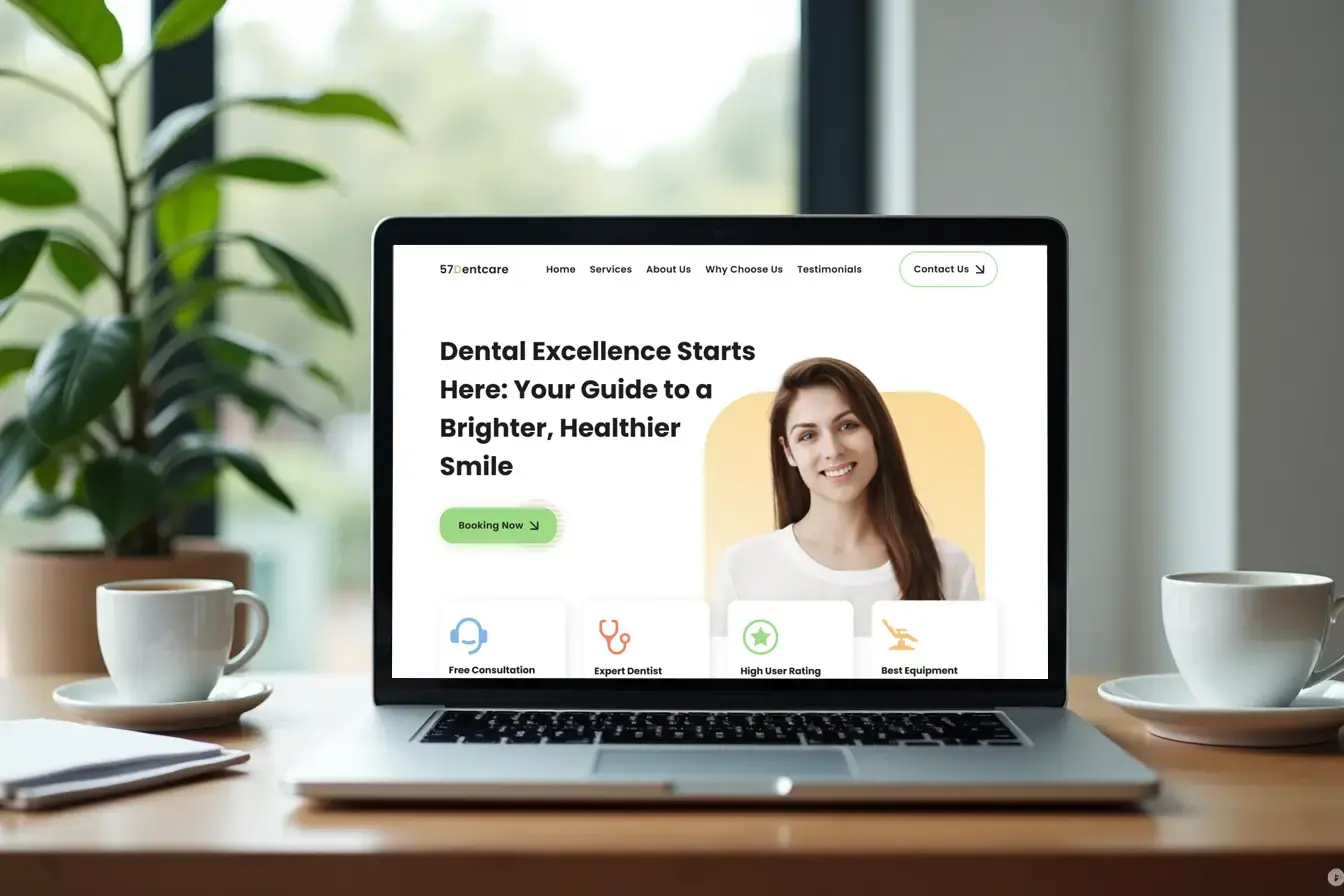
A well-designed website is more than just an online presence—it is the cornerstone of a successful dental practice in today’s competitive landscape. Dental website designs tailored to the unique needs of the healthcare industry play a crucial role in patient acquisition, engagement, and retention.
Importance of Professional Dental Website Designs in Growing a Practice
Patients today expect more than just quality care—they seek convenience, trust, and seamless access to information. A professional dental website design delivers on these expectations by:
- Enhancing Credibility: A polished, well-structured website assures visitors of the professionalism and quality of your practice.
- Expanding Reach: A properly optimized website increases your visibility in local searches, helping attract more patients to your practice.
- Facilitating Patient Decisions: By showcasing your expertise, services, and patient testimonials, a professional design guides potential patients toward booking an appointment.
The right website doesn’t just inform—it converts visitors into loyal patients.
How Effective Websites Boost Patient Trust and Retention
Building trust begins the moment a potential patient lands on your website. A thoughtfully designed website offers:
- Transparency: Clear information about services, pricing, and policies fosters trust and sets accurate expectations.
- Accessibility: Features such as online booking, live chat, and contact forms make it easy for patients to interact with your practice.
- Personalization: Content tailored to your target audience, such as patient education resources, establishes authority and builds long-term loyalty.
Patients are more likely to return to and recommend a practice with a website that consistently meets their needs and expectations.
The Role of Healthcare Website Development in Delivering User-Friendly Interfaces
A strong foundation in healthcare website development is vital to creating a seamless and user-friendly experience. Key elements include:
- Secure Systems: Patient data security and HIPAA compliance are essential for protecting sensitive information and maintaining trust.
- Mobile Optimization: With most users browsing on mobile devices, responsive design ensures your site looks and works perfectly across all screen sizes.
- Streamlined Navigation: A clear and intuitive interface helps patients quickly find the information they need, improving their overall experience.
By combining professional design with strategic website development for dentists, your practice can provide a platform that not only looks good but also functions flawlessly, meeting the demands of modern patients.
Key Features of Outstanding Dental Website Designs
An exceptional dental website combines aesthetics, functionality, and performance to create a seamless experience for visitors while meeting the practice’s business goals. Here’s what sets outstanding dental website designs apart from the rest.
User-Centric Design Principles
The success of a dental website hinges on how well it meets the needs of its users. Focusing on user-centric design ensures that patients can navigate and interact with your site effortlessly.
- Mobile Responsiveness and Why It Matters for Dental Clinic Website Design
Mobile devices account for a significant portion of online browsing. A responsive dental clinic website design adapts to any screen size, ensuring a flawless experience for users on smartphones, tablets, and desktops. Mobile-friendly designs not only improve usability but also enhance your search engine rankings. - Simple Navigation for Effortless User Experience
Clear and intuitive navigation helps visitors find essential information—such as services, contact details, and appointment options—quickly. A well-structured menu and logical page layout eliminate frustration and guide users toward taking action, like booking an appointment.
Essential Components of a Dental Website
To meet patient expectations and streamline operations, a dental website must include these critical components:
- Online Appointment Booking System Integration
Providing a feature that allows patients to book appointments directly on your website enhances convenience and reduces administrative workload. This integration should be easy to use and seamlessly synchronized with your scheduling system. - Secure Patient Portals
A secure portal enables patients to access their medical records, treatment plans, and billing information. Ensuring HIPAA compliance not only protects sensitive data but also builds trust with your patients. - High-Quality Imagery and Videos Showcasing the Clinic
Professional photos and videos of your clinic, staff, and services create a welcoming first impression. Visual content conveys authenticity and reassures potential patients about the quality of care they can expect.
The Role of SEO in Dental Website Development
A well-designed dental website isn’t effective without proper SEO strategies. Optimizing your site ensures that it reaches the right audience.
- Incorporating Dental Website Designs with Local SEO Strategies
Local SEO helps your website rank higher in location-specific searches. Incorporate keywords such as dental clinic website design and website design dental in headings, meta descriptions, and content. Additionally, ensure your Google My Business profile is accurate and linked to your site. - How to Use Keywords Like Website Design Dental Effectively
Using keywords strategically throughout your website—including in service descriptions, blog posts, and FAQs—helps improve your search engine visibility. Avoid keyword stuffing by blending keywords naturally into high-quality, informative content.
Best Practices in Website Development for Dentists
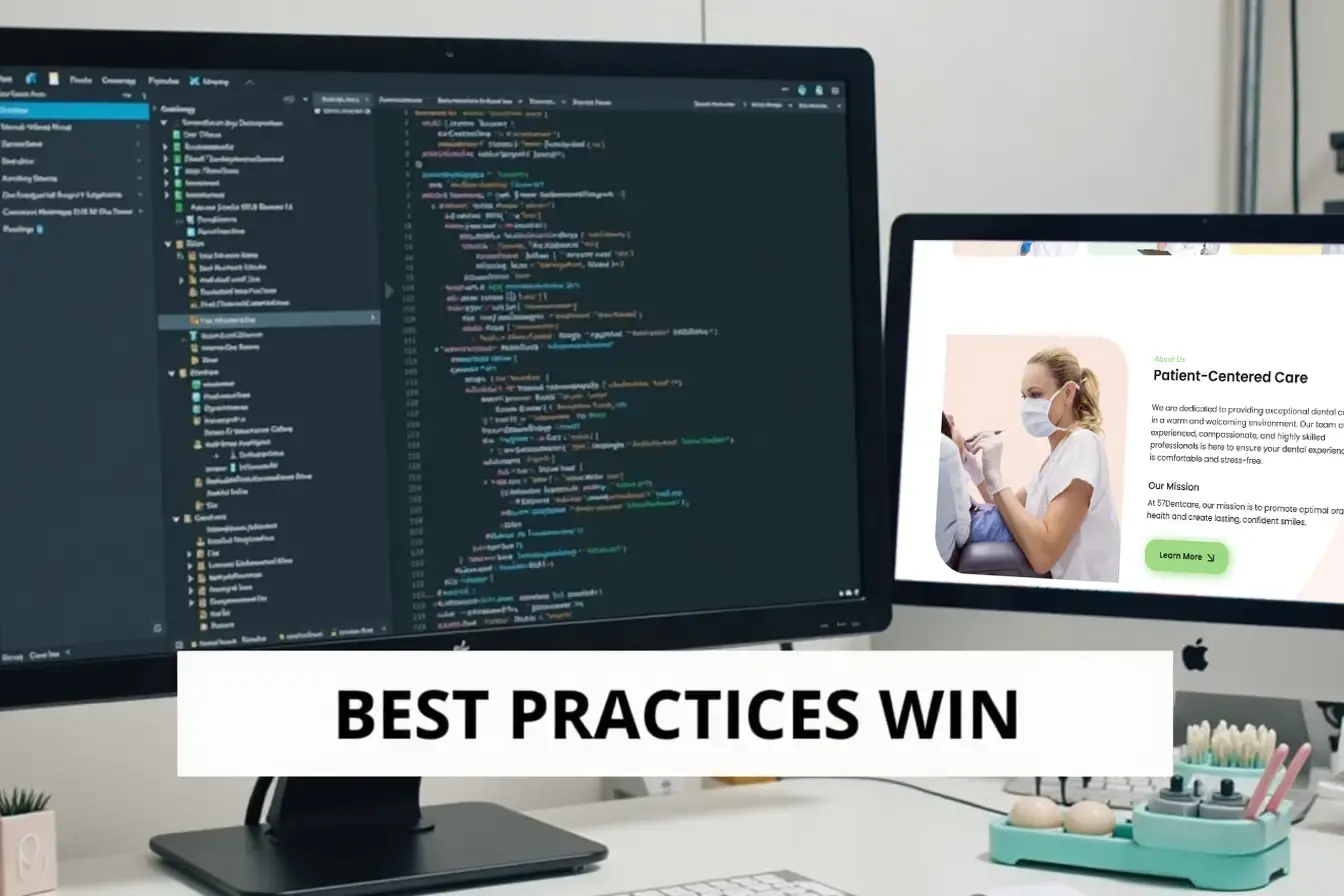
Creating an effective website for a dental practice requires a thoughtful approach that balances aesthetic appeal, functionality, and compliance. By following proven best practices in website development for dentists, you can craft a site that meets both patient and business needs.
Modern Aesthetic Standards
The visual appeal of a website has a profound impact on how potential patients perceive your practice. Modern design principles help convey professionalism and build trust.
- Using Calming Colors and Visuals for a Professional Look
A dental website should evoke a sense of calm and reassurance. Using soft, neutral colors like whites, blues, and pastels creates a welcoming environment. Adding visuals of smiling patients, friendly staff, and a clean clinic reinforces the sense of care and comfort. - The Importance of Personalized Branding for Website Development for Dentists
Personalized branding ensures your website reflects the unique identity of your practice. Elements such as your logo, color scheme, and messaging should be consistent across all pages, helping to establish recognition and credibility in the eyes of your audience.
Ensuring HIPAA Compliance
Patient data security is a top priority for dental websites. By adhering to HIPAA standards, you can protect sensitive information and build trust with your patients.
- How Secure Forms and Encrypted Data Enhance Patient Trust
Incorporating secure forms for appointment requests or patient feedback ensures that any information shared on your website is protected. Encrypting data during transmission prevents unauthorized access and safeguards patient privacy. - Meeting Legal Standards Without Compromising Usability
HIPAA compliance doesn’t have to complicate the user experience. Work with a dental website designer experienced in creating intuitive interfaces while integrating secure features like patient portals, consent forms, and secure payment gateways.
Streamlined Functionality
The functionality of your website is just as important as its appearance. A high-performing site prioritizes speed, interactivity, and accessibility.
- Fast-Loading Pages for Improved User Experience
Patients expect pages to load within seconds. Optimizing images, compressing files, and using a reliable hosting provider ensures your site runs smoothly. Fast load times not only enhance user satisfaction but also improve your rankings in search engines. - Benefits of Integrating Chatbots and FAQ Sections for Customer Queries
Adding interactive features like chatbots allows patients to get instant answers to common questions or even schedule appointments. Similarly, a well-organized FAQ section helps address routine inquiries, reducing the need for phone calls and saving time for both staff and patients.
Top Benefits of Partnering with a Dental Website Designer
Collaborating with a professional dental website designer offers significant advantages for your practice. From creating tailored solutions to staying ahead of industry trends, a skilled designer ensures your website becomes a powerful tool for patient engagement and practice growth.
Enhanced Website Performance Through Custom Solutions
Every dental practice is unique, and a cookie-cutter approach to website design simply won’t deliver optimal results. Partnering with a professional designer allows you to benefit from custom solutions that enhance your site’s performance:
- Tailored Features: From interactive appointment scheduling to secure patient portals, a custom-built website includes the functionalities your practice needs.
- Optimized User Experience: A professional designer ensures that every element, from page layouts to navigation, is intuitive and user-friendly.
- Technical Excellence: Proper coding, fast-loading pages, and responsive design contribute to better performance and search engine rankings.
A custom solution not only meets the specific requirements of your practice but also positions your website to perform competitively in local searches.
How Working with a Dental Website Designer Saves Time and Ensures Quality
Designing and maintaining a dental website involves more than just aesthetics—it requires expertise in functionality, compliance, and optimization. Here’s how partnering with a designer benefits your practice:
- Time Savings: A professional designer handles the technical complexities, freeing up your time to focus on patient care and practice management.
- Quality Assurance: Designers with expertise in dental website designs understand the specific needs of healthcare providers, ensuring that your site is compliant, functional, and visually appealing.
- Ongoing Support: Many designers offer maintenance and updates, ensuring your website stays up to date with the latest trends and technologies.
By leaving the website development to a professional, you ensure a high-quality result without the stress and time commitment of a DIY approach.
Examples of Trends in Dental Website Designs That Elevate a Clinic’s Reputation
Staying ahead of design trends can set your dental practice apart from competitors. A professional dental website designer is well-versed in the latest developments, such as:
- Minimalistic Design: Clean layouts and a focus on essential information help convey professionalism and trustworthiness.
- Personalized Content: Videos introducing your team, testimonials from happy patients, and photos of your clinic personalize the experience for visitors.
- Interactive Tools: Features like cost calculators, treatment finders, and chatbots engage patients while providing valuable information.
- Local SEO Integration: Leveraging location-specific keywords and metadata ensures your website is visible to patients in your area.
By incorporating these trends, your website not only attracts more visitors but also leaves a lasting impression, building your clinic’s reputation as a leader in dental care.
SEO Strategies for Dental Website Designs
An attractive dental website is only as effective as its ability to be found by potential patients. Implementing robust SEO strategies is essential to improve your site’s visibility, attract more local traffic, and convert visitors into loyal patients. Here are key approaches to optimizing dental website designs for search engines.
Optimizing for Local Searches
Local SEO is critical for dental practices, as most patients search for providers within their geographic area. Tailoring your website to rank locally ensures your services reach the right audience.
- Using Keywords Like Dental Clinic Website Design to Rank Locally
Incorporate location-based keywords, such as “dental clinic website design [City/State]” into page titles, headers, and content. These keywords help search engines associate your website with relevant local searches. - Adding Location-Based Meta Tags and Descriptions
Include your practice’s address, city, and state in your meta descriptions and tags. Adding your location to headings, alt text for images, and footer information further boosts your local SEO efforts. Make sure your contact page contains a clickable map and NAP (Name, Address, Phone) information consistent across online directories.
Leveraging Content Marketing
Creating valuable and informative content not only drives traffic to your website but also establishes your authority in the dental industry. Content marketing strategies can significantly enhance your website’s SEO performance.
- Blogging Tips for Driving Traffic to Dental Websites
Regularly publishing blog posts on topics like oral health tips, new treatment methods, or FAQs helps keep your site fresh and relevant. Use keywords like website design dental or dental website designs naturally throughout the posts. - Creating Patient Education Resources
Develop downloadable guides, videos, or infographics that educate patients about procedures, preventive care, or dental hygiene. These resources increase engagement and encourage sharing, boosting your website’s domain authority and visibility.
On-Page and Technical SEO for Healthcare Websites
On-page and technical SEO lay the foundation for a well-optimized website, ensuring search engines can crawl, index, and rank your pages effectively.
- Incorporating Healthcare Website Development Techniques for Better Visibility
Use clean and efficient coding practices, optimize your site’s speed, and ensure responsive design to improve user experience and rankings. Incorporate healthcare-specific keywords like healthcare website development strategically within your content and metadata. - Importance of Structured Data and Schema Markup for Dentists
Schema markup provides search engines with additional context about your website, such as your location, business hours, services, and patient reviews. This structured data enhances the chances of appearing in rich snippets, increasing your visibility in search results.
How to Choose the Right Dental Website Designer
Selecting the right dental website designer is a crucial step in ensuring your website reflects your practice’s professionalism, meets your business goals, and delivers an exceptional user experience. Here’s a guide to making an informed choice.
Questions to Ask Potential Designers
Before committing to a designer, ask targeted questions to gauge their expertise and understanding of dental website needs:
- Experience in Dental and Healthcare Website Design:
“Have you worked with dental or healthcare practices before? Can you provide examples?”
This ensures the designer understands the unique requirements of HIPAA compliance, patient portals, and local SEO. - Customization Capabilities:
“Do you offer fully customized designs, or do you work with templates?”
A custom design tailored to your practice’s branding and services will stand out more effectively. - SEO Knowledge:
“How will you optimize my site for search engines?”
Designers with SEO expertise can seamlessly integrate strategies like keyword usage and structured data. - Post-Launch Support:
“What kind of support do you offer after the website goes live?”
Ongoing maintenance and updates are essential to keeping your site secure and functional.
Evaluating Portfolios and Reviews
A designer’s past work speaks volumes about their capabilities and style. Take time to review their portfolio and client feedback:
- Analyze the Aesthetics:
Look for clean, modern designs with intuitive navigation and engaging visuals. Check if their previous work aligns with your vision. - Check for Healthcare-Specific Features:
Evaluate whether their designs include industry-specific elements like appointment scheduling, secure portals, and mobile responsiveness. - Read Reviews and Testimonials:
Client reviews can provide insights into the designer’s reliability, communication skills, and ability to meet deadlines. Platforms like Google My Business or LinkedIn are good places to find authentic feedback.
Importance of Post-Launch Support and Updates
A successful website launch isn’t the end—it’s the beginning of ongoing optimization and maintenance. Here’s why post-launch support is critical:
- Security and Compliance:
Regular updates ensure your website stays secure and compliant with changing healthcare regulations. - Content Updates:
As your practice grows or introduces new services, having a reliable designer for updates ensures your site remains current and relevant. - Troubleshooting and Technical Support:
Addressing bugs, glitches, or hosting issues promptly minimizes downtime and maintains a positive user experience.
Choosing a designer who offers comprehensive post-launch support saves you time and ensures your website continues to perform optimally.