



Replace outdated web services! Discover the best website developers for small business in to build responsive, SEO-optimized websites.
Website Developers for your Small Business
Having a professional, user-friendly, and optimized website is no longer optional for small businesses—it’s essential. A website serves as the digital storefront, representing your brand, showcasing your services, and providing a way for customers to connect with your business 24/7. The importance of working with the best website developers for small business lies in their ability to create customized websites tailored to the unique goals and challenges faced by small businesses.
Whether you’re a local coffee shop, a boutique retailer, or a growing service provider, the right website development team ensures your online presence reflects the quality and professionalism of your business. This article explores why hiring experts in website development for small businesses can be a game-changer, as well as what makes a developer the best fit for small business needs.
The Importance of Small Business Websites

Statistics reveal that over 75% of consumers judge a company’s credibility based on its website design. For small businesses, this means the competition isn’t just about pricing or customer service—it’s also about having a well-designed, fast-loading, and SEO-optimized website. The role of website developers for small business becomes pivotal in ensuring your business stands out online.
The best website developers for small business will focus on:
- Delivering websites optimized for local SEO to attract nearby customers.
- Implementing responsive designs that adapt seamlessly to mobile, tablet, and desktop devices.
- Creating visually engaging websites that enhance user experience while reflecting your brand identity.
Why Small Businesses Should Choose Professional Developers
Small businesses face unique challenges compared to larger corporations. With limited resources and budgets, it’s crucial to make every investment count, including your website. Partnering with website developers for small business ensures that:
- Your website is built with scalability in mind. As your business grows, your website can easily expand.
- Technical best practices are implemented from the start, saving time and costs on future revisions.
- Search engine optimization (SEO) is baked into the website’s foundation, helping your business rank higher in local search results.
Choosing a DIY website builder might seem cost-effective, but without the expertise of a professional, businesses often face hidden costs in poor performance, missed sales opportunities, and frequent technical issues. A professional small business website development services team eliminates these risks.
Highlighting Success with the Best Website Developers for Small Business
The best website developers for small business focus on results-driven development. They leverage modern design principles and cutting-edge technologies to deliver websites that not only look great but also drive measurable business results. Key features include:
- Custom layouts designed for conversion, such as clear call-to-action buttons.
- SEO optimization to ensure your business appears at the top of local search results.
- Integration with tools like customer relationship management (CRM) software, social media, and e-commerce platforms.
Here’s an example of SEO-friendly HTML code structure used by expert developers:
<!DOCTYPE html>
<html lang="en">
<head>
  <meta charset="UTF-8">
  <meta name="viewport" content="width=device-width, initial-scale=1.0">
  <meta name="description" content="Looking for the best website developers for small business? Get customized websites tailored to your needs.">
  <title>Best Website Developers for Small Business | Top Services</title>
</head>
<body>
  <header>
    <h1>Best Website Developers for Small Business</h1>
  </header>
  <main>
    <section>
      <p>Partner with the best in website development for small businesses to create a scalable, SEO-optimized, and visually appealing online presence.</p>
    </section>
  </main>
</body>
</html>
Partnering with the best website developers for small business ensures that your digital presence not only meets but exceeds customer expectations. With an expertly designed website, small businesses can compete with larger brands and build credibility in their local market.
A professionally designed website is a cornerstone for any small business aiming to thrive in today’s competitive market. It acts as the first point of interaction for potential customers and is often the deciding factor in whether they choose your services over competitors. A well-constructed website is more than just an online brochure—it’s a dynamic tool that can drive sales, build credibility, and create lasting customer relationships.
The role of the best website developers for small business cannot be overstated. These experts craft websites that are user-friendly, responsive, and optimized for search engines, ensuring your business gets the visibility it deserves. With an intuitive layout, fast-loading pages, and seamless navigation, professionally developed websites make a significant impact on customer satisfaction and engagement.
Small businesses, in particular, require specialized solutions. Unlike larger companies with extensive marketing budgets, small businesses need websites that are affordable, scalable, and focused on achieving measurable results. Specialized website development for small businesses addresses these needs by offering tailored solutions that align with the company’s goals and budget constraints.
Key Benefits of Professional Website Development for Small Businesses
Partnering with expert developers for small business website development services offers several advantages:
- Increased Customer Engagement: Professionally designed websites are visually appealing, easy to navigate, and designed to keep visitors on the page longer. This increases the likelihood of converting visitors into customers.
- Higher Search Engine Rankings: SEO-optimized websites rank higher in search results, driving organic traffic and reducing the need for costly advertising campaigns.
- Improved Brand Credibility: A polished and professional website builds trust with customers and sets your business apart from competitors.
- Scalable Growth: Professional websites are built with scalability in mind, allowing you to easily add features like e-commerce, appointment booking, or CRM integrations as your business grows.
- Mobile Responsiveness: With more than half of web traffic coming from mobile devices, having a responsive design ensures your website looks and performs perfectly on all screen sizes.
By working with the best website developers for small business, small businesses can establish a strong online presence, connect with their target audience, and drive consistent growth. The next sections will delve deeper into what makes a developer the right fit for your business and the technical strategies that set successful small business websites apart.
The Role of Website Developers for Small Business
Why Small Businesses Need Experts
Small businesses often encounter unique challenges when establishing and maintaining an online presence. Competing with larger brands that have substantial marketing budgets can be daunting. Additionally, limited resources and budget constraints make it imperative for small businesses to maximize the return on every investment. Engaging expert website developers for small business is crucial in navigating these challenges effectively.
Professional developers offer customized solutions tailored to the specific needs of small businesses. They understand the importance of creating a website that not only reflects the brand’s identity but also provides a seamless user experience. By leveraging their expertise, small businesses can develop websites that are both functional and aesthetically pleasing, setting them apart in a crowded marketplace.
Key Features of Small Business Website Development
To ensure a competitive edge, small business websites should incorporate the following key features:
- Mobile Responsiveness: With a significant portion of users accessing websites via mobile devices, it’s essential that websites adapt seamlessly to various screen sizes. Professional developers ensure that the design and functionality remain consistent across all devices, enhancing user satisfaction.
- SEO Optimization: Search engine optimization is vital for improving a website’s visibility on search engines. Expert developers implement SEO best practices, such as optimizing meta tags, using appropriate keywords, and ensuring clean code, to help small businesses rank higher in search results.
- Fast Loading Speeds: Website loading speed directly impacts user experience and search rankings. Professional developers optimize images, leverage browser caching, and minimize code to ensure quick load times, reducing bounce rates and keeping visitors engaged.
- Integration with Tools like CRMs and E-commerce Platforms: Integrating Customer Relationship Management (CRM) systems and e-commerce platforms streamlines operations and enhances customer interactions. Expert developers facilitate these integrations, allowing small businesses to manage customer data efficiently and provide a seamless shopping experience.
By focusing on these critical aspects, professional website developers for small business play a pivotal role in creating effective online platforms that drive growth and success.
Choosing the Best Website Developers for Small Business

Essential Criteria for Selection
Selecting the best website developers for small business is a critical decision that can directly impact the success of your online presence. To ensure you’re making the right choice, consider the following criteria:
- Experience in Creating Websites for Small Businesses
Developers with experience working specifically with small businesses understand the unique challenges these organizations face. They know how to design websites that cater to budget-conscious operations while delivering functionality that rivals larger competitors. - Proven Ability in Small Business Website Development Services
Look for developers who specialize in small business website development services. This ensures they are equipped to provide tailored solutions, whether it’s integrating appointment booking systems, optimizing local SEO, or designing a site with scalability in mind. - Portfolio Review with Examples of Similar Projects
Always ask for a portfolio showcasing their previous work. Look for examples of websites they’ve developed for businesses in your industry or with similar goals. This will give you insight into their design style, technical expertise, and ability to meet client needs.
Questions to Ask Before Hiring
To ensure you’re choosing a reliable partner, ask these key questions before hiring a developer:
- How Will You Ensure the Website Is Optimized for SEO?
A great website is useless if it doesn’t rank well on search engines. Professional developers should explain their approach to optimizing your website’s structure, content, and meta elements for SEO. - Can You Create a Fast, Secure Website That Loads in Under 2 Seconds?
Page speed and security are non-negotiable for a successful website. Ask how they plan to optimize performance through techniques like image compression, caching, and using secure hosting solutions. - What Is Your Experience with Website Design for Small Businesses in [Specific Industry]?
Industry-specific experience ensures the developer understands the needs of your audience and the features required to stand out. For example, a retail business might require e-commerce functionality, while a service provider might prioritize appointment booking tools.
By carefully evaluating the experience, expertise, and approach of potential developers, you can confidently select the best website developers for small business to meet your needs. A thorough vetting process ensures your investment results in a professional, high-performing website that drives growth and engagement.
SEO Optimization for Small Business Websites

Search Engine Optimization (SEO) is a fundamental part of ensuring your small business website is visible to your target audience. Effective SEO involves both on-page and off-page strategies designed to improve rankings on search engines, drive organic traffic, and ultimately increase conversions. Below, we delve into the techniques that the best website developers for small business use to create SEO-optimized websites.
| SEO Strategy | Description | Why It’s Important |
|---|---|---|
| On-Page SEO: Keyword Optimization | Incorporate relevant keywords like “best website developers for small business” in titles, meta descriptions, headings, and content. | Helps search engines understand your content and improves rankings for targeted searches. |
| On-Page SEO: Meta Tags | Optimize meta titles and descriptions to include primary keywords while maintaining a natural tone. | Meta tags influence click-through rates from search engine results pages (SERPs). |
| On-Page SEO: Mobile Responsiveness | Ensure the website is fully responsive and adapts to all screen sizes seamlessly. | Improves user experience, a key factor for both rankings and customer engagement. |
| On-Page SEO: Page Speed Optimization | Compress images, use browser caching, and minimize code to improve website loading speed. | Search engines prioritize fast-loading websites, and users are less likely to bounce. |
| Off-Page SEO: Building Backlinks | Acquire links from reputable websites to increase your website’s authority and trustworthiness. | Backlinks are a major ranking factor and improve your site’s domain authority. |
| Off-Page SEO: Social Media Promotion | Share your website content on social media platforms to drive traffic and increase visibility. | Social signals indirectly influence SEO by increasing brand awareness and traffic. |
| Off-Page SEO: Local Listings | Register your business on platforms like Google My Business, Yelp, and Bing Places. | Improves local search rankings and helps potential customers find your business easily. |
| Off-Page SEO: Content Marketing | Create and share high-quality blog posts, videos, or infographics relevant to your audience. | Drives organic traffic and positions your business as an industry expert. |
On-Page SEO Strategies
On-page SEO focuses on optimizing the elements within your website to make it search-engine-friendly. Here are some critical aspects:
- The Importance of Keywords
Strategic placement of relevant keywords like best website developers for small business, website development for small businesses, and small business website development services is essential. These keywords should be incorporated naturally into the content, titles, meta descriptions, headings, and alt text for images. - HTML Snippet for Optimized SEO Elements
Here’s an example of how expert developers structure HTML to improve on-page SEO:
<!DOCTYPE html>
<html lang="en">
<head>
    <meta charset="UTF-8">
    <meta name="viewport" content="width=device-width, initial-scale=1.0">
    <title>Best Website Developers for Small Business | Affordable Solutions</title>
    <meta name="description" content="Looking for the best website developers for small business? Discover how expert website development can transform your online presence.">
    <meta name="keywords" content="best website developers for small business, website development for small businesses, small business website development services">
</head>
<body>
    <header>
        <h1>Best Website Developers for Small Business</h1>
    </header>
    <main>
        <p>Partner with experts in website development for small businesses to elevate your online presence with SEO-driven solutions.</p>
    </main>
</body>
</html>- This snippet showcases the correct placement of keywords in the
<title>,<meta description>, and<meta keywords>tags, as well as the inclusion of an optimized<h1>heading.
Off-Page SEO Techniques
Off-page SEO involves actions taken outside your website to improve its authority and relevance in the eyes of search engines. Here are two key strategies:
- Building Backlinks from Reputable Sources
Backlinks act as endorsements from other websites. When high-authority sites link to your small business website, it signals to search engines that your site is trustworthy and valuable. Focus on acquiring backlinks from reputable industry blogs, directories, and local business organizations.- Example: Partner with local business blogs to write guest posts that link back to your website.
- Use tools like SEMrush to analyze and build a strong backlink profile.
- Utilizing Social Media to Drive Traffic
Social media platforms are excellent for promoting your website and attracting visitors. By sharing engaging content—such as blog posts, videos, or special offers—you can encourage users to visit your website. Increased social signals, such as likes and shares, can indirectly improve your website’s search rankings.- Pro Tip: Optimize your social media profiles by including links to your website, and ensure your branding is consistent across all platforms.
By implementing these on-page and off-page SEO strategies, small business websites can significantly improve their search visibility and attract their target audience effectively. The best website developers for small business incorporate these practices into their development process, ensuring long-term success for their clients.
Website Design and Development Tips for Small Businesses

The design and development of a small business website play a critical role in engaging visitors, encouraging conversions, and building credibility. Small businesses should focus on creating websites that are visually appealing, easy to navigate, and aligned with their brand identity. Below, we cover essential design principles and practical development tips to ensure your website achieves its goals.
User Experience and Design Principles
User experience (UX) is a key factor in determining how visitors interact with your website. To create a positive experience, small business websites should follow these best practices:
- Clean Navigation
Simplicity is vital. A well-organized menu and intuitive navigation structure ensure visitors can quickly find the information they’re looking for. Avoid cluttered layouts and limit the number of menu items to the most essential pages, such as Home, About, Services, and Contact. - Clear Call-to-Actions (CTAs)
Effective CTAs guide visitors toward specific actions, such as making a purchase, booking a service, or contacting your business. These should be visually distinct, with compelling text such as “Get Started,” “Book Now,” or “Contact Us.” - Consistency in Branding
Your website should reflect your brand’s identity across all elements, from colors and fonts to tone of voice. Consistent branding not only reinforces recognition but also builds trust with your audience.
Pro Tips for Small Business Website Design:
- Use whitespace effectively to make your content stand out and enhance readability.
- Incorporate high-quality visuals to create a professional look.
- Make essential information, such as your contact details, easy to find.
HTML Example for Eye-Catching CTA
An attention-grabbing CTA can significantly boost engagement and conversions. Here’s an HTML example of a simple yet effective CTA design:
<div style="text-align:center; margin:20px;">
  <a href="/contact" style="background-color:#4CAF50; color:white; padding:15px 30px; text-decoration:none; font-size:18px; border-radius:5px;">
    Get Your Custom Website Today!
  </a>
</div>
Explanation of Code:
- The
divcenters the CTA on the page and adds spacing around it for better visibility. - The
atag serves as the clickable button, styled with:- A background color (
#4CAF50) to make it stand out. - White text for contrast.
- Padding for a larger clickable area.
- Rounded corners (
border-radius:5px) for a modern look. - A hover effect can be added for interactivity (optional).
- A background color (
By focusing on user-friendly design and clear calls-to-action, small business websites can create a seamless experience for their visitors. With the guidance of the best website developers for small business, your website can be designed to drive engagement and conversions effectively.
Comparison: DIY vs. Hiring Professionals for Website Development
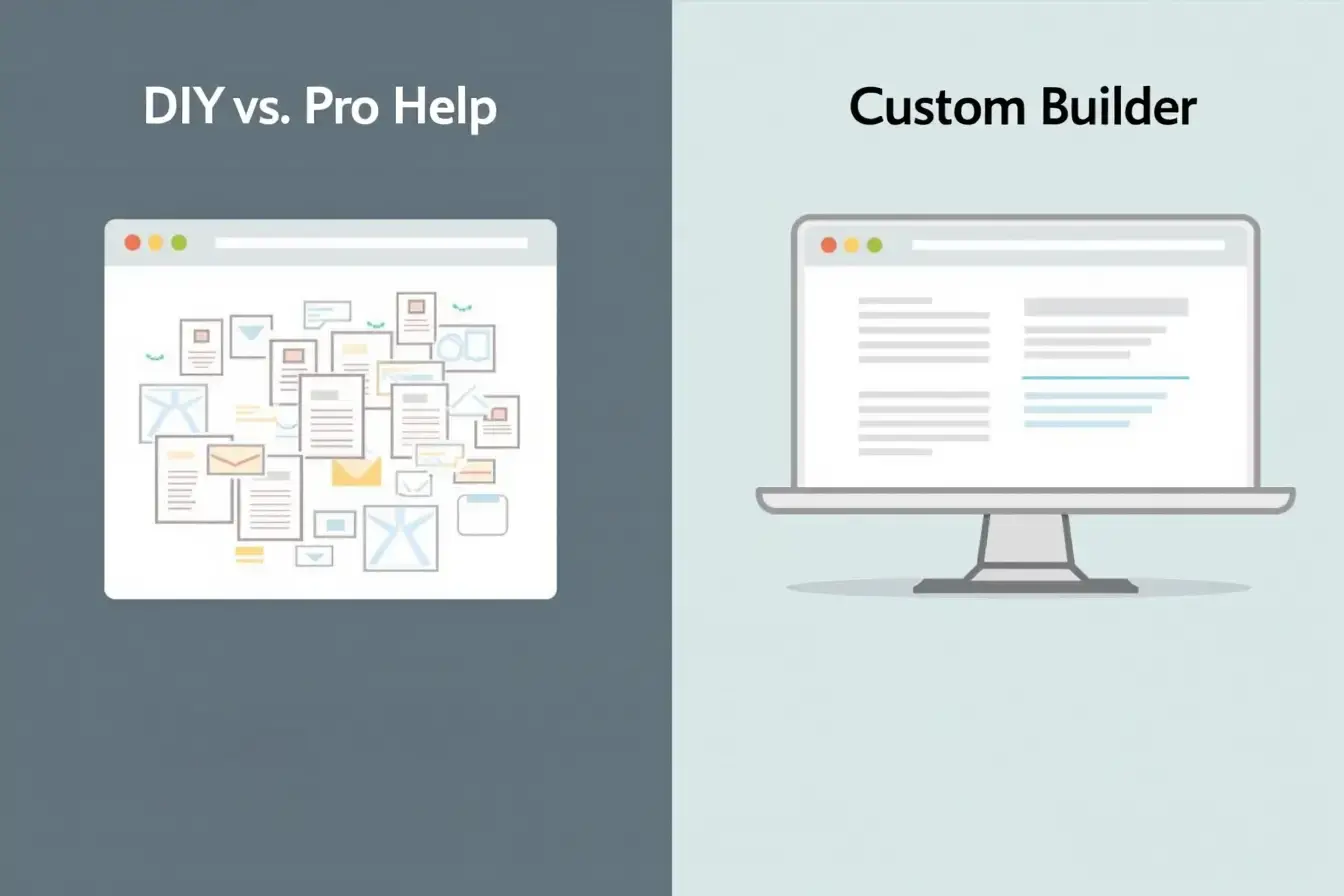
When it comes to creating a website for your small business, you may wonder whether to use a do-it-yourself (DIY) platform or hire professional developers. While both options have their merits, understanding their pros and cons can help you make an informed decision. Below, we break down the advantages and limitations of each approach.
Pros and Cons of DIY Platforms
DIY platforms like Wix, Squarespace, and WordPress are popular choices for small business owners looking to build their websites independently. These platforms offer pre-designed templates and user-friendly interfaces that make it easier for non-technical users to create websites.
Advantages of DIY Platforms:
- Cost-Effective: DIY platforms are often cheaper upfront, making them an appealing choice for businesses with limited budgets.
- Ease of Use: Drag-and-drop builders and pre-built templates simplify the website creation process.
- Quick Setup: You can launch a basic website within hours using these platforms.
- Pre-Integrated Features: Many platforms come with built-in tools for SEO, blogging, and e-commerce.
Challenges with DIY Platforms:
- Limited Scalability: As your business grows, DIY platforms may struggle to handle increased functionality or traffic.
- Customization Restrictions: While templates are easy to use, they often limit design and functionality options, making it hard to stand out.
- SEO Limitations: Basic SEO tools are available, but DIY websites often lack the technical optimization needed for competitive rankings.
- Hidden Costs: Additional features like custom domains, advanced plugins, or increased storage may incur extra charges.
Advantages of Hiring Professionals
Hiring the best website developers for small business offers a tailored solution that goes beyond the capabilities of DIY platforms. Professionals bring expertise, technical skills, and long-term support to ensure your website aligns with your business goals.
Key Advantages of Hiring Professionals:
- Expertise in Custom Coding and Advanced Functionality
Professional developers can build custom features, such as integrations with Customer Relationship Management (CRM) systems, e-commerce functionality, or advanced search capabilities. This level of customization ensures your website meets your unique needs and differentiates your business from competitors. - Long-Term Support and Maintenance
A professionally built website comes with ongoing support, ensuring it remains functional, secure, and updated. Developers handle technical issues, plugin updates, and security patches, saving you time and potential headaches. - SEO and Performance Optimization
Professionals implement advanced SEO strategies, from clean code to structured data, ensuring your website ranks well in search engines. They also optimize your site for speed, ensuring fast loading times that enhance user experience. - Scalability for Business Growth
Professional developers create scalable websites that grow with your business. Whether you need to add new services, features, or handle increased traffic, a custom-built website provides the flexibility to adapt seamlessly.
Why Professional Development Matters:
DIY platforms may suffice for basic needs, but as your business grows, a professionally developed website becomes indispensable for standing out in a competitive market. Professionals provide the expertise, customization, and long-term support that small businesses need to succeed online.
By weighing the pros and cons of DIY platforms against the benefits of hiring professionals, it’s clear that while DIY platforms may work for short-term or simple projects, hiring the best website developers for small business offers long-term value and growth opportunities.
Cost Breakdown: Small Business Website Development Services

Understanding the costs associated with small business website development services is essential for budgeting and planning. The total expense varies depending on factors like the complexity of the website, the features required, and whether you choose a DIY platform or hire professionals. Below is a detailed breakdown of typical costs involved in creating and maintaining a small business website.
Breakdown of Website Development Costs
- Domain Registration
The cost of registering a custom domain name (e.g., yourbusiness.com) typically ranges from $10 to $30 per year. This is a foundational step in establishing your online presence. - Website Hosting
Hosting costs vary based on the type of hosting (shared, VPS, or dedicated). For small businesses, shared hosting is often sufficient, costing around $5 to $50 per month. - Custom Website Design
Professional website design fees depend on the complexity and customization required. Small business websites generally cost between $500 and $5,000 for custom designs. - SEO Optimization
Optimizing your website for search engines is critical for driving organic traffic. Costs for SEO services range from $200 to $2,000, depending on the scope of work. - Ongoing Maintenance
Maintenance includes updates, security patches, and technical support. This service typically costs between $100 and $500 per year, though more complex sites may require additional investment. - Additional Features
Features like e-commerce functionality, CRM integrations, or custom development can add $1,000 to $10,000 to the total cost, depending on requirements.
Comparison Table of Website Development Costs
Here’s an HTML example of a table outlining these costs:
<table border="1" style="width:100%; text-align:left; border-collapse:collapse;">
  <tr>
    <th>Service</th>
    <th>Estimated Cost (USD)</th>
  </tr>
  <tr>
    <td>Domain Registration</td>
    <td>$10 - $30/year</td>
  </tr>
  <tr>
    <td>Website Hosting</td>
    <td>$5 - $50/month</td>
  </tr>
  <tr>
    <td>Custom Website Design</td>
    <td>$500 - $5,000</td>
  </tr>
  <tr>
    <td>SEO Optimization</td>
    <td>$200 - $2,000</td>
  </tr>
  <tr>
    <td>Ongoing Maintenance</td>
    <td>$100 - $500/year</td>
  </tr>
  <tr>
    <td>Additional Features (e.g., e-commerce, CRM)</td>
    <td>$1,000 - $10,000</td>
  </tr>
</table>
Tips for Managing Website Development Costs
- Start Small: Begin with a basic website and add advanced features as your business grows.
- Prioritize SEO: Invest in SEO early to drive organic traffic and reduce reliance on paid ads.
- Bundle Services: Many developers offer packages that include design, hosting, and maintenance, which can save money in the long run.
By understanding these cost components, small business owners can budget effectively and avoid unexpected expenses. Investing in a professional website is a critical step toward building a strong online presence and achieving long-term growth.
Tools and Technologies for Small Business Website Development
To create a robust and scalable website, small businesses need to leverage the right tools and technologies. From content management systems (CMS) to advanced SEO tools, selecting the best platforms and resources is key to building and maintaining a professional website. Below, we explore the most recommended tools and technologies for small business website development.
Recommended CMS Platforms
A Content Management System (CMS) allows businesses to create, manage, and modify website content without requiring extensive coding knowledge. The right CMS for your small business depends on your specific needs, but here are the top three options:
- WordPress
- Why Choose WordPress?
WordPress is the most popular CMS globally, powering over 40% of websites. It offers unparalleled flexibility and customization through thousands of plugins and themes. - Best For:
Small businesses that need scalability, SEO optimization, and customization options. - Features:
- Open-source platform with no licensing fees.
- Extensive plugin library (e.g., WooCommerce for e-commerce).
- Advanced SEO capabilities with plugins like Yoast SEO.
- Why Choose WordPress?
- Shopify
- Why Choose Shopify?
Shopify is a dedicated e-commerce platform ideal for small businesses that sell products online. Its built-in features make it easy to manage online stores. - Best For:
Small businesses focused on e-commerce. - Features:
- Integrated payment processing.
- Pre-designed templates optimized for online sales.
- Inventory management tools.
- Why Choose Shopify?
- Squarespace
- Why Choose Squarespace?
Squarespace is known for its visually stunning templates and intuitive drag-and-drop builder. It’s a great choice for creative businesses or those needing a simple, elegant website. - Best For:
Small businesses that prioritize aesthetics and ease of use. - Features:
- Built-in SEO tools.
- Hosting and domain registration included.
- Templates tailored for portfolios, blogs, and small stores.
- Why Choose Squarespace?
Essential Tools for Development and SEO
In addition to a CMS, leveraging the right tools for analytics, SEO, and development ensures your website performs at its best. Here are three essential tools for small business websites:
- Google Analytics
- Purpose:
Google Analytics provides insights into website traffic, user behavior, and conversion rates. It’s indispensable for tracking your website’s performance and identifying opportunities for improvement. - Key Features:
- Monitor page views, bounce rates, and traffic sources.
- Analyze user demographics and behaviors.
- Set and track goals like form submissions or purchases.
- Purpose:
- SEMrush
- Purpose:
SEMrush is a powerful SEO tool that helps small businesses optimize their websites for search engines and track keyword rankings. - Key Features:
- Keyword research and competitor analysis.
- Audit website SEO health.
- Track backlinks and organic traffic.
- Why It’s Important:
SEMrush ensures your website is competitive and consistently optimized for search engine visibility.
- Purpose:
- Elementor (for WordPress Users)
- Purpose:
Elementor is a drag-and-drop page builder plugin for WordPress, allowing users to create stunning web pages without coding. - Key Features:
- Fully customizable design options.
- Pre-designed templates for quick page building.
- Integrates with popular plugins like WooCommerce and Yoast SEO.
- Why It’s Important:
Elementor simplifies the design process while enabling high levels of customization for WordPress websites.
- Purpose:
By leveraging these tools and technologies, small business owners can streamline the website development process, improve performance, and optimize their sites for growth. Working with the best website developers for small business ensures these tools are implemented effectively, saving time and maximizing results.
Maintenance and Future Upgrades for Small Business Websites
A website is not a “set-it-and-forget-it” investment. Regular maintenance and future upgrades are essential to keeping your website functional, secure, and aligned with your business growth. Neglecting these aspects can lead to poor user experience, security vulnerabilities, and missed opportunities for scaling.
Importance of Regular Maintenance
Maintaining your website ensures it continues to run smoothly and deliver value to your business. Here are the key aspects of regular maintenance:
- Updating Plugins and Software
- Plugins and software used in your website (e.g., WordPress plugins) need regular updates to fix bugs, patch security vulnerabilities, and add new features. Neglecting these updates can make your website prone to attacks or performance issues.
- Ensuring Security
- Security is critical for protecting customer data and maintaining trust. Regular maintenance includes updating SSL certificates, using strong passwords, and implementing firewalls to guard against cyber threats. Developers also monitor for potential breaches and resolve them promptly.
- Optimizing Performance
- Website performance impacts user experience and search rankings. Regular maintenance includes clearing cache, compressing images, and ensuring your hosting environment can handle traffic efficiently. These steps ensure fast loading times and improved performance metrics.
- Testing and Bug Fixes
- Routine testing helps identify and fix broken links, layout issues, or functionality problems that might affect user experience.
Scalable Features for Growth
As your business evolves, your website should grow alongside it. Professional developers can integrate scalable features that support your business’s expansion. Here are two common upgrades:
- Adding E-commerce Capabilities
- If you plan to sell products or services online, adding e-commerce functionality is a critical upgrade. This includes:
- A product catalog and shopping cart.
- Secure payment gateways like Stripe or PayPal.
- Order tracking and inventory management tools.
- A scalable e-commerce solution ensures your website can handle increased traffic, a growing product inventory, and high transaction volumes.
- If you plan to sell products or services online, adding e-commerce functionality is a critical upgrade. This includes:
- Integrating Customer Relationship Management (CRM) Systems
- CRM integration streamlines customer interactions and improves service delivery. This feature allows your website to:
- Capture and store customer data (e.g., forms, newsletter signups).
- Automate follow-ups and email marketing campaigns.
- Track sales and manage leads.
- Popular CRM tools like Salesforce, HubSpot, and Zoho can be seamlessly integrated into your website by professional developers.
- CRM integration streamlines customer interactions and improves service delivery. This feature allows your website to:
Why Maintenance and Upgrades Matter
Failing to maintain or upgrade your website can lead to technical issues, lower search engine rankings, and a diminished customer experience. On the other hand, regular maintenance and strategic upgrades ensure:
- A secure, functional website that builds trust with users.
- Improved website performance, leading to better SEO rankings.
- The ability to adapt to changing business needs and industry trends.
By partnering with the best website developers for small business, you can ensure your website stays up-to-date, secure, and ready for future growth.